
Driving is a routine part of everyday life for millions of people, yet it also requires constant awareness of changing road conditions and unexpected situations. Most journeys are completed without incident, but safety experts consistently remind drivers that remaining observant is one of the best ways to reduce risk. Whether traveling through busy cities or quiet rural roads, paying attention to your surroundings, keeping your vehicle secure, and making thoughtful decisions can help protect both you and your passengers.
Preparedness, rather than fear, is the foundation of safe driving. In recent years, social media has become a major source of safety advice, with users frequently sharing stories about unusual roadside situations. Some posts describe suspicious objects placed near roads, while others warn about abandoned vehicles, unexpected obstacles, or items that appear to need immediate attention.
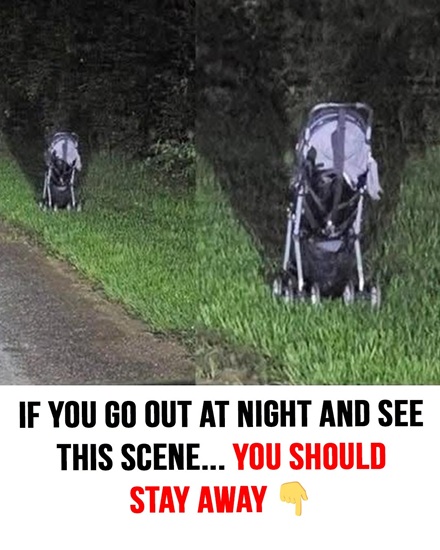
Although some of these stories are based on genuine incidents, many circulate without independent verification or sufficient evidence. For that reason, safety experts generally recommend treating viral claims with caution and relying on guidance from local law enforcement and official public safety organizations whenever possible. One recurring claim shared online involves an apparently abandoned baby stroller or other child-related item positioned beside a road, particularly in isolated areas or late at night.
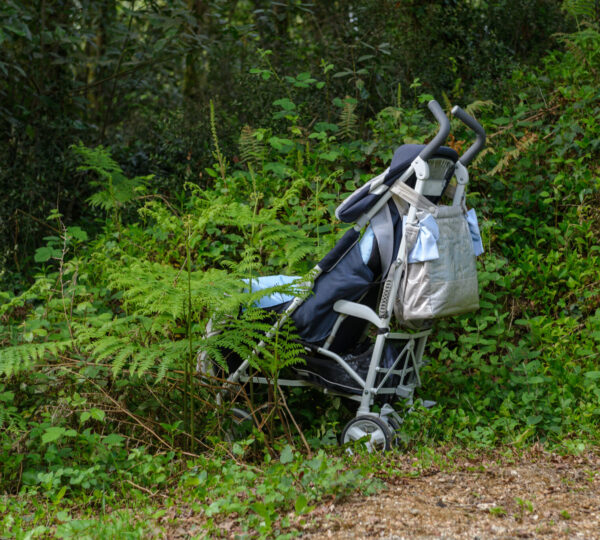
According to these social media posts, the object is allegedly intended to encourage passing drivers to stop and investigate. It is important to note that there is no evidence showing this is a widespread or commonly documented criminal tactic, and many versions of the story remain unverified. However, the broader principle behind the advice—to prioritize personal safety when encountering unusual roadside situations—is consistent with recommendations issued by many public safety agencies.
Human nature often encourages people to help when they believe someone may be in danger. Seeing what appears to be an unattended stroller, an injured animal, or another unusual object can naturally create concern. Compassion is an important quality, but personal safety should also be considered before acting. Safety professionals often advise that if a situation appears unusual or potentially dangerous, it is better to assess it carefully rather than reacting impulsively. Remaining calm allows drivers to make better decisions while reducing unnecessary risk.
If a driver notices an object or situation that appears genuinely concerning, one practical option is to contact local emergency services or the appropriate public safety authority instead of immediately leaving the vehicle. Emergency dispatchers can evaluate the information provided, determine whether assistance is needed, and send trained personnel if necessary. This approach allows potential emergencies to be investigated while helping reduce unnecessary risks for members of the public. Every situation is different, and emergency operators are trained to guide callers based on the circumstances they describe.
Road safety organizations also recommend several habits that improve personal security during nighttime travel. Keeping vehicle doors locked while driving, maintaining enough fuel for the journey, ensuring a charged mobile phone is available, and informing someone of your travel plans during long trips are all practical precautions. If a driver feels uncomfortable about a situation on a dark or isolated road, continuing to a well-lit public location before stopping is often considered a sensible option, provided doing so does not create an immediate danger to others.

It is equally important to avoid assuming criminal intent whenever an unusual object is seen beside the road. In many cases, strollers, bicycles, bags, or other belongings may have completely innocent explanations, such as being accidentally left behind, discarded, or awaiting collection. Jumping to conclusions based solely on appearances can lead to misunderstanding. The safest approach is to remain observant, avoid unnecessary risks, and, when appropriate, notify the relevant authorities so they can determine whether assistance is required.
Modern technology also plays a valuable role in improving roadside safety. Hands-free calling systems, vehicle emergency assistance features, GPS navigation, and smartphone emergency functions allow drivers to request help more quickly than ever before. Many newer vehicles can even automatically contact emergency services after certain types of collisions. While technology cannot prevent every dangerous situation, it provides additional tools that can help drivers respond appropriately when unexpected events occur during travel.
Ultimately, the most important message is not to become fearful of every unusual roadside sight, but to remain aware, thoughtful, and prepared. Safe driving depends on balancing compassion with caution, particularly in unfamiliar or isolated locations. By staying alert, relying on verified information rather than unconfirmed online rumors, and contacting emergency services when a situation appears genuinely concerning, drivers can protect themselves while ensuring that people who may truly need help receive assistance from trained professionals.
While many unusual roadside stories gain attention online, transportation and law enforcement professionals consistently emphasize a practical approach to personal safety rather than relying on unverified claims. The key recommendation is to remain calm, observe the situation carefully, and avoid placing yourself in unnecessary danger. If something appears unusual or potentially concerning, keeping a safe distance while contacting local emergency services is often the most appropriate course of action. This allows trained personnel to assess the situation while reducing unnecessary risk for members of the public.
Defensive driving is one of the most effective ways to improve safety during any journey. Defensive driving involves staying alert, anticipating potential hazards, maintaining safe following distances, and avoiding distractions behind the wheel. These habits are valuable regardless of whether a driver is traveling through a busy city, a suburban neighborhood, or a remote rural road. Remaining focused allows drivers to react more effectively to unexpected situations while reducing the likelihood of accidents.
Nighttime driving presents additional challenges because reduced visibility makes it more difficult to recognize obstacles or judge distances accurately. Headlights illuminate only a limited area ahead, while fatigue may also affect reaction time during late hours. For these reasons, road safety organizations encourage drivers to reduce speed when appropriate, remain attentive, and avoid unnecessary stops in isolated locations unless there is an immediate emergency requiring action. These recommendations are intended to improve safety rather than encourage fear.
Preparation before starting a trip also plays an important role in reducing stress during unexpected situations. Ensuring that a vehicle is properly maintained, carrying a fully charged mobile phone, checking fuel levels, and planning the route in advance can make responding to unforeseen circumstances much easier. Many drivers also choose to share their travel plans with a trusted family member or friend when making longer journeys, particularly when traveling through unfamiliar areas. These simple habits contribute to greater peace of mind throughout the trip.
If a driver believes someone may genuinely require assistance, contacting emergency services remains one of the safest options. Dispatchers are trained to gather information, evaluate the circumstances, and send the appropriate responders if needed. This approach allows trained professionals to investigate situations involving abandoned property, possible medical emergencies, or suspicious activity while minimizing unnecessary risks to passing motorists. Every situation is unique, and emergency responders are equipped to make informed assessments based on the information they receive.
It is equally important to remember that many unusual roadside situations have completely ordinary explanations. A stroller, bicycle, suitcase, or other object may have been accidentally left behind, lost during transportation, or placed temporarily while someone sought help nearby. Because appearances alone rarely provide the full picture, avoiding assumptions is often the most responsible approach. Observing carefully, remaining cautious, and reporting concerns when appropriate helps balance public safety with compassion.
Technology has also strengthened roadside safety in recent years. Many vehicles now include emergency assistance systems, GPS navigation, collision alerts, and hands-free communication features that make it easier to request help if needed. Smartphones allow drivers to quickly contact emergency services, share their location, or notify family members during unexpected situations. These tools complement safe driving practices and provide additional reassurance when traveling, particularly during long-distance or nighttime journeys.
Ultimately, the most valuable lesson is that awareness and preparation are more effective than fear. Safe driving does not require assuming that every unusual situation represents a threat. Instead, it involves staying observant, making thoughtful decisions, and relying on verified information and official guidance whenever concerns arise. By combining compassion with sound judgment, drivers can help protect themselves while ensuring that genuine emergencies receive the attention of trained professionals. Developing these habits contributes to safer roads for everyone and encourages responsible decision-making whenever unexpected situations occur.

