
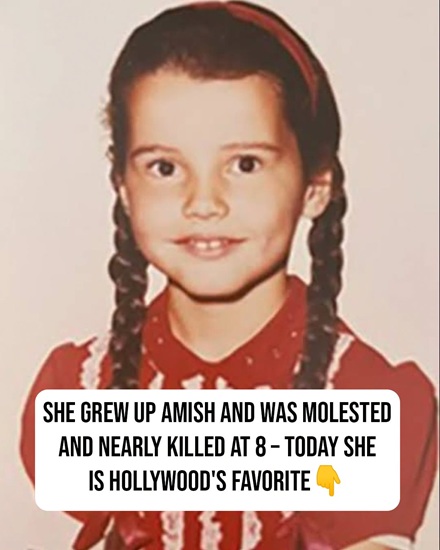
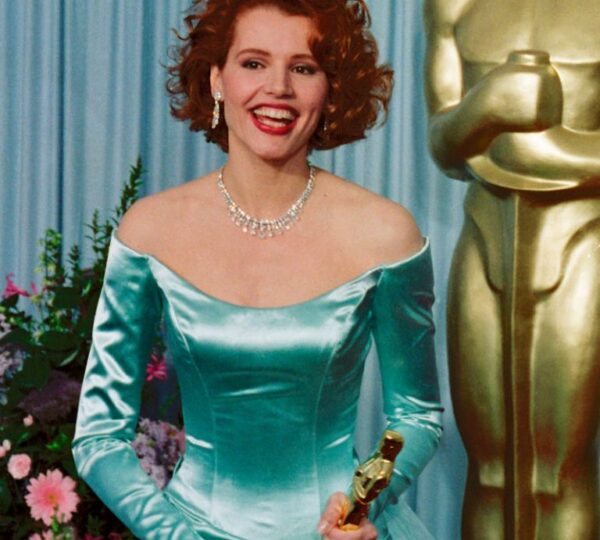
Geena Davis’s career reached extraordinary heights during the late 1980s and early 1990s, a period in which she established herself as one of Hollywood’s most respected actresses. Following her Academy Award-winning performance in The Accidental Tourist (1988), she continued accepting roles that showcased both her dramatic ability and her talent for comedy. Rather than choosing similar characters repeatedly, Davis sought projects that allowed her to portray intelligent, determined, and multidimensional women.
Her performances earned praise from critics and audiences alike, helping solidify her reputation as one of the most versatile performers of her generation. One of the defining moments of her career came with Thelma & Louise (1991), directed by Ridley Scott and co-starring Susan Sarandon. The film received widespread critical acclaim for its storytelling and its portrayal of two women embarking on a life-changing journey. Davis later explained that working alongside Sarandon influenced her personally as well as professionally.
She admired her co-star’s confidence and willingness to express her opinions openly, qualities Davis has said encouraged her to become more confident in her own voice. The film remains one of the most influential productions of her career and continues to be studied as an important work in American cinema. Following that success, Davis starred in A League of Their Own (1992), portraying baseball player Dottie Hinson in the celebrated sports drama inspired by the All-American Girls Professional Baseball League.
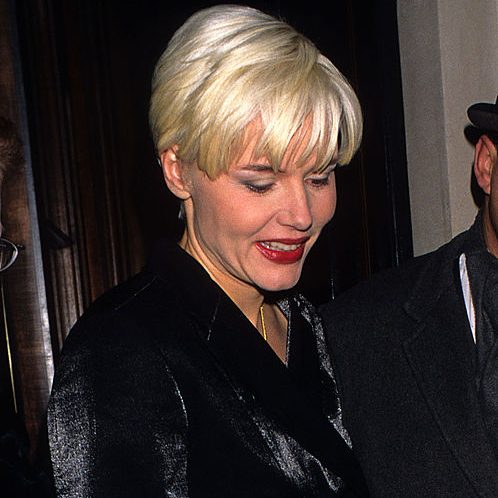
The film highlighted the contributions of women athletes during World War II while combining humor, drama, and historical storytelling. Davis’s athletic background helped prepare her for the demanding baseball sequences, and the movie became both a commercial success and a lasting favorite among audiences. It further demonstrated her ability to lead major studio productions while portraying strong, memorable characters.
As her career progressed, Davis noticed a significant shift in the types of roles available to women as they grew older. In interviews, she has spoken candidly about the challenges actresses often face within the entertainment industry, explaining that meaningful leading roles became noticeably less common as she approached her forties. Rather than allowing those changes to define her career, Davis gradually expanded her focus beyond acting, becoming increasingly interested in promoting broader opportunities for women throughout film and television. Her willingness to discuss these experiences has contributed to ongoing conversations about representation within the entertainment industry.
Away from movie sets, Davis’s personal life also evolved. She has been married four times, including to actor Jeff Goldblum, with whom she appeared in both Transylvania 6-5000 and The Fly. Later, she married plastic surgeon Reza Jarrahy, and together they welcomed three children. Davis became a mother for the first time in her mid-forties, later describing parenthood as one of the most meaningful experiences of her life. She has spoken openly about the adjustments that came with raising young children while continuing a demanding professional career, emphasizing the importance of balancing family responsibilities with work.
Motherhood also influenced Davis in another important way. While watching family films and children’s television programs with her young children, she began noticing recurring patterns in the representation of girls and women on screen. Curious whether her observations reflected a broader trend, she commissioned research examining gender representation in family entertainment. The findings eventually led to the establishment of the Geena Davis Institute on Gender in Media in 2004, an organization dedicated to studying representation and encouraging greater diversity in entertainment through research, education, and collaboration with industry professionals.
Throughout the years, Davis has consistently explained that her goal is not to criticize individual filmmakers but to encourage greater awareness through evidence-based research. The Institute has partnered with studios, producers, researchers, and educators to analyze how characters are portrayed across film, television, and other media. By presenting data rather than relying solely on opinion, the organization has contributed to ongoing discussions about representation in family entertainment. Davis has frequently stated that increasing opportunities for diverse characters ultimately benefits audiences by providing a wider range of stories and perspectives.

Today, Geena Davis continues acting while also remaining active as an author, public speaker, and advocate for greater inclusion within the entertainment industry. She has participated in television projects, documentaries, and public discussions that reflect both her artistic career and her interest in media research. Her journey—from a young woman raised in a modest New England household to an Academy Award-winning actress and internationally recognized advocate—illustrates a career built on talent, perseverance, and a commitment to creating positive change. Beyond her memorable performances, Davis’s lasting legacy includes her efforts to encourage thoughtful conversations about representation while continuing to inspire new generations of performers and audiences alike.
As Geena Davis continued building her career, she became known not only for her memorable performances but also for her thoughtful approach to choosing projects. Throughout the 1990s, she appeared in films spanning several genres, including comedy, drama, adventure, and family entertainment. Rather than allowing herself to be defined by a single role, she consistently sought characters with depth, intelligence, and emotional complexity. Her willingness to take creative risks contributed to a filmography that remains respected decades later and demonstrated her versatility as a performer.
Although every actor experiences changes in career opportunities over time, Davis has spoken openly about the challenges women often encounter as they grow older in the entertainment industry. In interviews, she explained that meaningful leading roles became less common as she approached middle age. Rather than becoming discouraged, she gradually expanded her work beyond acting, using her experience to encourage conversations about representation and opportunity within film and television. Her perspective has helped bring greater attention to discussions about age, diversity, and inclusion in the entertainment business.
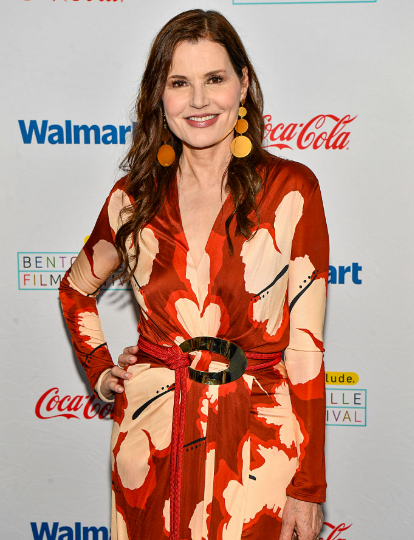
Family became an increasingly important part of Davis’s life during this period. After marrying plastic surgeon Reza Jarrahy, she welcomed her first child, daughter Alizeh, in 2002. Two years later, she became the mother of twin sons, Kaiis and Kian. Davis has described motherhood as one of the most rewarding chapters of her life, explaining that raising children gave her a new perspective on both her personal priorities and her professional work. She has also acknowledged the unique challenges of becoming a parent later in life while balancing family responsibilities with a demanding career.
Watching films and television with her children led Davis to notice recurring patterns in how girls and women were portrayed in family entertainment. Curious about whether her observations reflected broader industry trends, she supported research examining gender representation in children’s media. Those efforts eventually resulted in the creation of the Geena Davis Institute on Gender in Media in 2004. The organization works with researchers, educators, and entertainment professionals to study representation through data-driven research and to encourage broader diversity in media.
Over the years, Davis has emphasized that meaningful change often begins with awareness. Rather than criticizing individual productions, she has encouraged filmmakers and studios to consider research findings that examine how different groups are represented on screen. The Institute’s work has contributed to discussions across the entertainment industry by providing measurable data rather than relying solely on personal opinion. This evidence-based approach has helped inform conversations about storytelling, casting, and character development while encouraging more inclusive creative decisions.
In addition to her advocacy work, Davis has remained active as an actress, author, and public speaker. Her 2022 memoir, Dying of Politeness, offered readers a thoughtful reflection on her childhood, career, and personal experiences. In the book, she discussed how growing up with an emphasis on always being polite sometimes made it difficult to speak up for herself. By sharing these experiences, Davis hoped to encourage honest conversations about confidence, communication, and personal growth. Her memoir was widely recognized for its openness and thoughtful self-reflection.
Even after decades in the entertainment industry, Davis continues to pursue new creative opportunities. She has remained involved in television and film projects while supporting initiatives that encourage equal opportunities within media. Her ongoing work demonstrates that a successful career can evolve over time, expanding beyond acting into education, advocacy, and public engagement. Rather than being remembered solely for individual performances, she has built a legacy that combines artistic achievement with a long-term commitment to positive change.
Looking back, Geena Davis’s story is one of resilience, determination, and continual growth. From her modest upbringing in Massachusetts to becoming an Academy Award-winning actress, she overcame personal challenges, professional obstacles, and periods of uncertainty while continuing to pursue meaningful work. Her performances in films such as Tootsie, The Fly, Beetlejuice, The Accidental Tourist, Thelma & Louise, and A League of Their Own remain celebrated by audiences around the world. Equally important, her efforts to encourage thoughtful representation in entertainment have ensured that her influence extends well beyond the screen, leaving a lasting impact on both the film industry and future generations of storytellers.

