
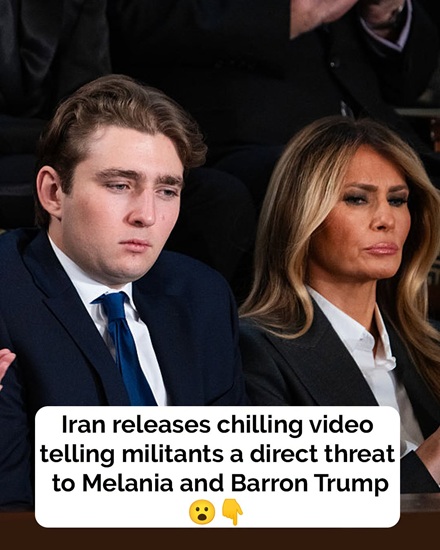
Relations between Iran and the United States have remained among the most closely watched issues in international politics for decades. Every new development involving the two countries often attracts significant global attention, particularly when it involves senior political leaders or their families. In recent days, international media outlets have reported on a controversial video released by Iran’s Tasnim News Agency, a publication widely associated with Iran’s Islamic Revolutionary Guard Corps (IRGC).
The video quickly became the subject of widespread discussion because it referenced former U.S. First Lady Melania Trump and appeared during a period of heightened geopolitical tensions between Washington and Tehran. According to multiple media reports, the publication of the video prompted renewed attention to the increasingly tense relationship between the two countries. Analysts noted that official and semi-official media messaging often receives close scrutiny during periods of international conflict because such content can influence diplomatic discussions and public perception.
Although many reports focused on the video’s controversial nature, experts also emphasized the importance of examining the broader political environment in which it appeared rather than viewing it as an isolated event. Tasnim News Agency is considered one of Iran’s best-known news organizations with close ties to the Islamic Revolutionary Guard Corps.
Over the years, the outlet has published coverage on military affairs, foreign policy, and regional developments that frequently reflects positions associated with Iranian state institutions. Because of that relationship, international observers regularly monitor its reporting, particularly during periods of heightened regional instability or diplomatic confrontation.
The latest reports emerged against the backdrop of continuing tensions between Iran, the United States, and Israel. Throughout recent years, disagreements surrounding regional security, sanctions, nuclear policy, and military operations have contributed to an increasingly complex relationship. International organizations and foreign policy experts have repeatedly warned that periods of escalating rhetoric can increase uncertainty across the Middle East, making diplomatic communication especially important during times of crisis.
Political analysts frequently explain that media messaging can play an important role during international disputes. Statements published by government officials, state media organizations, and influential public figures are often examined by diplomats and security specialists seeking to understand broader political developments. For this reason, controversial publications frequently generate extensive international reporting, regardless of whether they represent official government policy or the views of affiliated organizations.
The Trump family has remained highly visible in international media coverage both during and after Donald Trump’s presidency. As a result, references involving members of the family often receive significant public attention. Melania Trump, who served as First Lady of the United States, continues to be recognized internationally for her public role during the Trump administration. Because of her visibility, media reports involving her frequently become widely discussed across television, newspapers, and digital news platforms.
Security surrounding current and former senior government officials has long been considered a priority in the United States. Federal agencies routinely evaluate potential risks involving protected individuals and continuously review procedures designed to safeguard public officials and their families. While specific security measures are generally not discussed publicly, experts note that protective agencies regularly assess changing circumstances and adjust protocols whenever necessary to ensure appropriate levels of security.
International security specialists also emphasize that periods of military confrontation often lead to heightened monitoring of public statements originating from multiple countries. Intelligence agencies, diplomatic missions, and policy experts carefully evaluate developments that could affect regional stability or influence future diplomatic efforts. At the same time, analysts caution against drawing conclusions before official investigations and verified information become available.
The broader relationship between Washington and Tehran has experienced numerous periods of tension over several decades. Issues including nuclear negotiations, economic sanctions, regional conflicts, maritime security, and diplomatic engagement have repeatedly shaped discussions between the two governments. Although there have been occasional attempts to reduce tensions through negotiations, disagreements over major policy issues have often limited long-term progress.
Foreign policy experts generally agree that sustained diplomatic communication remains one of the most effective tools for reducing misunderstandings during periods of international uncertainty. Governments frequently rely on diplomatic channels, international organizations, and allied partners to manage disagreements while attempting to prevent further escalation. Observers continue to note that maintaining open communication becomes increasingly important whenever international tensions attract significant global attention.
News organizations covering developments in the Middle East have continued to emphasize the importance of relying on verified information from credible sources. Because major geopolitical events often generate rapidly changing reports, responsible journalism requires careful verification before drawing conclusions. This approach helps ensure that audiences receive accurate information while reducing the spread of speculation or misinformation during periods of heightened international interest.
As international attention remains focused on developments involving Iran and the United States, analysts continue monitoring diplomatic statements, regional security developments, and official government responses. Although political tensions may fluctuate over time, experts consistently emphasize that accurate reporting, responsible public communication, and continued diplomatic engagement remain essential components of maintaining international stability. The events reported in recent days therefore represent not only a news story involving prominent public figures but also another chapter in the broader and continuing relationship between two countries whose interactions continue to influence global affairs.
The international response to reports surrounding the video has once again highlighted how closely the world follows developments involving the United States and Iran. Governments, security analysts, and foreign policy experts frequently monitor public statements, media publications, and diplomatic messaging originating from both countries, particularly during periods of heightened regional tension. Even when information first appears through media organizations rather than official government announcements, it often becomes part of broader international discussions about security, diplomacy, and regional stability.
For many years, relations between Washington and Tehran have been shaped by a combination of political disagreements, economic sanctions, nuclear negotiations, and regional security concerns. These issues have influenced diplomatic relations across multiple presidential administrations in both countries. While the specific circumstances have changed over time, the underlying disagreements have continued to affect international diplomacy and have frequently attracted worldwide media attention.
Foreign policy specialists often note that periods of heightened rhetoric can increase uncertainty, making accurate reporting especially important. During rapidly developing international events, news organizations typically rely on official statements, verified sources, and multiple independent confirmations before reporting significant developments. This careful approach helps reduce speculation and ensures that audiences receive information based on verifiable facts rather than rumors or incomplete reports.
Security experts also emphasize that governments routinely evaluate potential risks involving current and former senior public officials. Protective agencies regularly review security procedures, assess changing circumstances, and coordinate with other authorities whenever necessary. Although operational details are generally not disclosed publicly for security reasons, experts agree that these agencies continuously adapt to evolving situations while prioritizing the safety of protected individuals.
The broader Middle East remains one of the world’s most strategically significant regions, with developments often influencing international diplomacy, energy markets, global security, and economic stability. Because of this interconnected environment, events involving regional powers frequently receive extensive coverage from international news organizations. Analysts continue to examine how political developments may influence diplomatic relationships, regional cooperation, and future negotiations among governments.
Many international observers stress that responsible communication plays an important role during periods of geopolitical tension. Public statements, official announcements, and media reports can all influence how events are perceived around the world. For that reason, governments, journalists, and policy experts frequently encourage careful verification before conclusions are reached, particularly when stories involve national security or international relations.
Diplomatic engagement continues to be viewed by many foreign policy specialists as one of the most effective tools for managing disagreements between nations. Throughout history, periods of significant tension have often been followed by renewed diplomatic efforts aimed at reducing misunderstandings and preventing further escalation. Although progress is not always immediate, communication through established diplomatic channels remains an important element of international conflict management.
International organizations likewise continue to encourage dialogue, respect for international law, and peaceful resolution of disputes whenever possible. While governments may differ on major policy issues, diplomatic institutions have long emphasized that constructive communication can help reduce risks and create opportunities for future cooperation. These principles remain central to many discussions surrounding global peace and security.
The role of responsible journalism is equally important when covering sensitive international events. News organizations have a responsibility to distinguish verified facts from speculation, clearly identify sources of information, and provide readers with appropriate context. Balanced reporting allows audiences to better understand complex geopolitical developments without contributing to unnecessary confusion or misinformation.
Readers also benefit from considering developments within their broader historical context. The relationship between the United States and Iran has evolved over many decades and has included periods of confrontation as well as moments of diplomatic engagement. Understanding that history provides valuable perspective when evaluating current events and helps explain why developments involving either country often receive significant international attention.
As governments continue responding to changing regional circumstances, analysts will likely remain focused on official diplomatic statements, verified security assessments, and developments that could influence future international relations. Because geopolitical situations can evolve rapidly, observers generally recommend relying on credible news organizations and official sources for the most accurate and up-to-date information.
Ultimately, this story illustrates how closely the international community follows developments involving major geopolitical actors. While individual news events may capture headlines, they also form part of a broader picture involving diplomacy, regional security, and international cooperation. As discussions continue, careful reporting, factual analysis, and responsible public communication remain essential for helping audiences understand complex global events while supporting informed public discussion based on verified information.

