
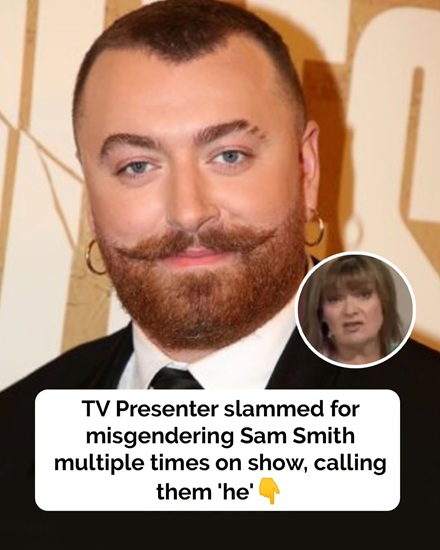
For more than a decade, Sam Smith has been recognized as one of the most successful voices in contemporary music. From emotional ballads to chart-topping pop songs, the British singer-songwriter has earned widespread acclaim for powerful vocals, deeply personal lyrics, and an ability to connect with audiences around the world. Alongside their musical achievements, Smith has also spoken openly about personal identity, mental well-being, and self-acceptance, topics that have become an important part of their public journey.
Born in London in 1992, Sam Smith first attracted international attention through collaborations before launching a highly successful solo career. Their breakthrough came with songs that showcased a distinctive vocal style and emotional honesty, quickly establishing them as one of the music industry’s most recognizable artists. Albums such as In the Lonely Hour introduced millions of listeners to Smith’s work and led to numerous awards, including Grammy Awards and an Academy Award for Best Original Song.
As their career developed, Smith became increasingly open about discussing personal experiences beyond music. In interviews over the years, they explained that understanding their identity had been a gradual process rather than a single defining moment. They have often described that journey as one involving self-reflection, learning, and personal growth, emphasizing that discovering a greater sense of authenticity required both time and courage.

In 2019, Sam Smith publicly announced that they would use they/them pronouns. Sharing the decision through social media, the singer described it as an important milestone after what they called “a lifetime of being at war with my gender.” They explained that adopting those pronouns reflected how they saw themselves and represented an effort to live more honestly. At the same time, Smith acknowledged that adjusting to new language would take time for many people and recognized that mistakes would likely occur.
Rather than demanding perfection, Smith’s original statement emphasized patience and understanding. They asked people to make a genuine effort while recognizing that changing long-established language habits could be challenging. Their message focused less on criticism and more on encouraging respect during a deeply personal stage of their life. Many supporters praised the statement for its openness and thoughtful tone, while others viewed it as an opportunity to learn more about non-binary identities.
Despite making their preferences publicly known, Smith has continued to experience occasions where incorrect pronouns have been used during interviews, television broadcasts, entertainment coverage, and online discussions. Some of these incidents have occurred during live television appearances or major entertainment events, leading to conversations across social media about respectful language and the challenges of adapting to changing norms. Each situation has generated varying reactions from audiences, reflecting the diversity of opinions that exist on the subject.
One widely discussed example occurred during entertainment coverage surrounding the Grammy Awards. While commenting on Sam Smith’s artistic evolution and fashion choices, a reporter used masculine pronouns instead of the they/them pronouns that Smith publicly identifies with. Although the discussion primarily focused on music and style, viewers quickly noticed the language that had been used. The incident became another example of how public figures can unintentionally become part of broader conversations about identity and respectful communication.
Additional discussion followed comments made during television appearances in the United Kingdom. Irish musician Bob Geldof referred to Smith using masculine pronouns during an interview, prompting differing reactions among viewers. Some believed the language should have been corrected during the broadcast, while others viewed it as an understandable mistake. The differing responses demonstrated how public conversations about language often involve a wide range of perspectives, particularly when they occur during live television programs.
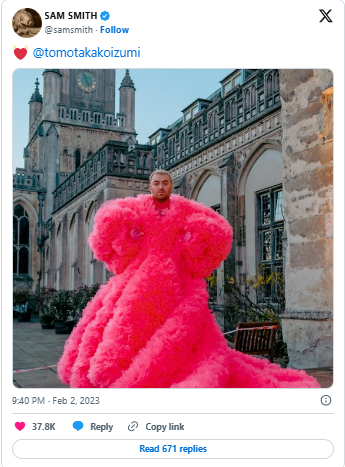
Television presenter Lorraine Kelly also received public criticism after referring to Smith with masculine pronouns while discussing one of the singer’s red-carpet appearances. During the conversation, fellow guest Vogue Williams consistently used Smith’s they/them pronouns. Following the broadcast, viewers expressed a variety of opinions online. Some criticized the language used during the discussion, while others defended the presenter, illustrating once again that conversations surrounding public identity frequently generate significant public attention.
As with many widely discussed public topics, social media reflected a broad spectrum of reactions. Some users expressed support for Sam Smith and emphasized the importance of using the pronouns an individual requests. Others argued that changing familiar language patterns can take time, particularly for people who have followed an artist’s career for many years before the pronoun change. Still others expressed disagreement, creating an online discussion that reflected the diversity of public opinion without reaching a universal consensus.
Throughout these conversations, Sam Smith has generally responded by emphasizing understanding rather than confrontation. In interviews, they have explained that language habits are deeply ingrained and that mistakes will inevitably happen. Rather than expecting every interaction to be perfect, Smith has repeatedly stated that they recognize people will sometimes make errors. Their focus has remained on encouraging sincere efforts and respectful communication instead of expecting immediate perfection from everyone they meet.
Speaking with Apple Music’s Zane Lowe, Smith described the experience of adopting they/them pronouns as feeling like “coming home.” They explained that, looking back, they believe they would have identified the same way during childhood had they possessed the language to describe those feelings at the time. Reflecting on that journey, Smith emphasized that the change was ultimately about feeling more comfortable with themselves and living in a way that better reflected their personal identity. Those comments have become one of the most frequently referenced explanations of why the decision was meaningful to them.
As Sam Smith’s career has continued to evolve, their music has remained at the center of their public identity. While discussions about pronouns and personal expression have often generated headlines, Smith has consistently returned the focus to songwriting and performance. Throughout multiple albums, they have explored themes such as love, heartbreak, self-discovery, resilience, and personal growth. Their ability to transform deeply personal experiences into music has earned the respect of critics and listeners across many different countries and cultures.
Beyond commercial success, Smith has frequently spoken about the importance of authenticity. In interviews, they have explained that becoming more comfortable with themselves has influenced not only their personal life but also their creative work. Rather than separating their identity from their music, they have described both as parts of the same journey. This perspective has allowed many fans to connect with their songs on a deeper emotional level while appreciating the honesty behind the lyrics.
Throughout the years, Smith has also acknowledged that public life naturally brings intense scrutiny. International artists often find themselves discussed not only for their music but also for their appearance, fashion choices, interviews, and personal decisions. Smith has experienced that reality firsthand, with many aspects of their life becoming topics of public conversation. Despite that attention, they have generally continued to emphasize kindness, respect, and understanding when discussing personal matters in interviews and public appearances.
One point Smith has repeatedly highlighted is that adapting to new language habits can take time. During conversations about pronouns, they have explained that many people make genuine mistakes without intending disrespect. Rather than expecting perfection, Smith has encouraged people to make a sincere effort while recognizing that change is often gradual. This approach reflects a broader message centered on patience and respectful communication instead of confrontation.
Their interview with Apple Music’s Zane Lowe offered additional insight into how they view this process. Smith explained that using they/them pronouns helped them feel more comfortable with themselves and described the experience as an important step in their personal journey. They also acknowledged that they expect to be misgendered throughout their life, recognizing that language habits are deeply rooted for many people. By expressing that understanding publicly, Smith demonstrated an awareness of the practical challenges involved while still explaining why respectful language remains meaningful to them.
The discussion surrounding Sam Smith also reflects broader conversations taking place throughout the entertainment industry. Many public figures have shared personal experiences related to identity, self-expression, and mental well-being over recent years. As a result, media organizations, interviewers, award shows, and television programs have increasingly developed guidelines intended to accurately reflect how individuals identify. These changes represent ongoing efforts within the entertainment industry to report on public figures accurately while respecting personal preferences.
Media coverage of Smith has therefore extended beyond music into discussions about representation and respectful reporting. Journalists covering celebrities are frequently expected to use names and pronouns consistent with publicly stated preferences. While mistakes occasionally occur, many news organizations have updated editorial standards to promote accuracy and consistency. These evolving practices illustrate how language within professional journalism continues to adapt alongside broader cultural developments.
Throughout these public conversations, Smith has remained active professionally. They have continued recording music, performing internationally, collaborating with other artists, and appearing at major cultural events. Their artistic career has therefore continued independently of the discussions surrounding identity, demonstrating that music remains the foundation of their public legacy. Fans continue to engage with their work through concerts, streaming platforms, and new releases that showcase the vocal style and emotional storytelling that first brought them international recognition.
Supporters frequently describe Smith’s openness as encouraging because it reflects a willingness to discuss personal experiences honestly while recognizing that every person’s journey is unique. At the same time, others may hold different opinions about issues related to gender identity and language. The public conversation surrounding Smith illustrates that respectful discussion can include differing viewpoints while remaining focused on factual reporting and civil dialogue. Reporting those differing reactions accurately, without exaggeration or distortion, is an important part of responsible journalism.
Looking at Sam Smith’s career as a whole, it is clear that their influence extends beyond awards and chart success. Their willingness to speak openly about personal growth has become one aspect of a much broader professional story that includes internationally successful albums, acclaimed live performances, and numerous industry honors. While public conversations may evolve over time, Smith’s contributions to contemporary music remain well established through a body of work that has reached audiences around the world.
Ultimately, Sam Smith’s story is one of artistic achievement alongside personal authenticity. Their public statements about identity have reflected their own experiences rather than an attempt to speak for others. Meanwhile, their music continues to explore universal emotions that resonate with listeners regardless of background. As their career progresses, Sam Smith remains one of contemporary music’s most recognizable performers, balancing international success with an ongoing commitment to expressing themselves honestly while continuing to create music that connects with millions of fans worldwide.

