

Few actresses have managed to leave a lasting impression on television audiences quite like Linda Evans. For millions of viewers around the world, her name immediately brings back memories of classic television dramas, elegant fashion, and one of the most memorable characters in American television history. Although Hollywood has welcomed countless talented performers over the decades, only a select few have remained admired across several generations. Linda Evans belongs to that remarkable group of entertainers whose influence extends far beyond the years of their greatest fame.
Born Linda Evenstad on November 18, 1942, in Hartford, Connecticut, Evans grew up in a Norwegian-American family that valued hard work, humility, and close family relationships. Her grandparents had emigrated from Norway in search of new opportunities, bringing with them traditions that remained an important part of family life. When Linda was still an infant, her parents relocated to North Hollywood, California, a move that would unexpectedly place her within reach of the entertainment capital of the world.
Despite eventually becoming one of television’s brightest stars, Linda Evans was not an outgoing child who dreamed of celebrity. Friends and relatives have often described her as quiet, thoughtful, and somewhat shy during her early years. Rather than seeking attention, she preferred spending time with family and close friends. Yet even as a teenager, people noticed her natural elegance, expressive eyes, and calm presence, qualities that would later become defining features of her screen performances.
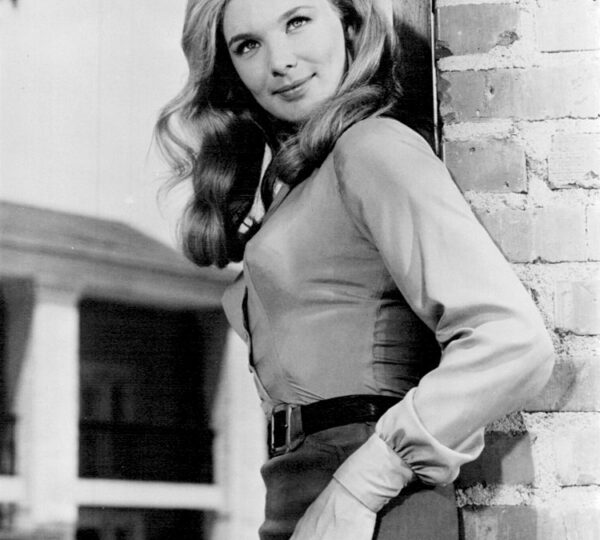
Her introduction to acting happened almost by chance. While attending high school, a classmate encouraged her to participate in drama classes. At first, Evans approached acting simply as a new experience rather than a career goal. However, teachers quickly recognized her natural ability to communicate emotion without excessive theatricality. She possessed an authenticity that allowed audiences to connect with her characters almost immediately, a quality that cannot easily be taught.
As she entered the entertainment industry during the early 1960s, Evans accepted a variety of small television appearances that allowed her to gain valuable experience in front of the camera. These early roles required patience and determination, as competition among young actors in Hollywood was already intense. Rather than becoming discouraged by modest beginnings, she treated every opportunity as a chance to improve her craft while learning from more experienced performers working alongside her.
A major turning point arrived when Evans was cast as Audra Barkley in the western television series The Big Valley. Premiering in 1965, the series introduced viewers to the wealthy Barkley family as they managed their California ranch following the death of the family patriarch. Playing the only daughter in the Barkley household, Evans portrayed Audra with warmth, intelligence, and quiet determination. The role quickly transformed her into a familiar face for television audiences across the United States.
Working alongside legendary actress Barbara Stanwyck proved especially significant for the young performer. Stanwyck was already regarded as one of Hollywood’s most respected actresses, and Evans has frequently spoken with admiration about the professionalism she witnessed on set. Observing Stanwyck’s dedication to preparation, discipline, and storytelling provided invaluable lessons that influenced Evans throughout the remainder of her own career.
During those years, television itself was undergoing remarkable growth. Family dramas, westerns, and serialized programs attracted millions of viewers every week, creating household names almost overnight. Evans became part of this golden era of television, building a loyal fan base through consistent performances rather than relying on publicity or controversy. Her approachable personality and sincere acting style distinguished her from many performers whose careers depended largely on glamour alone.
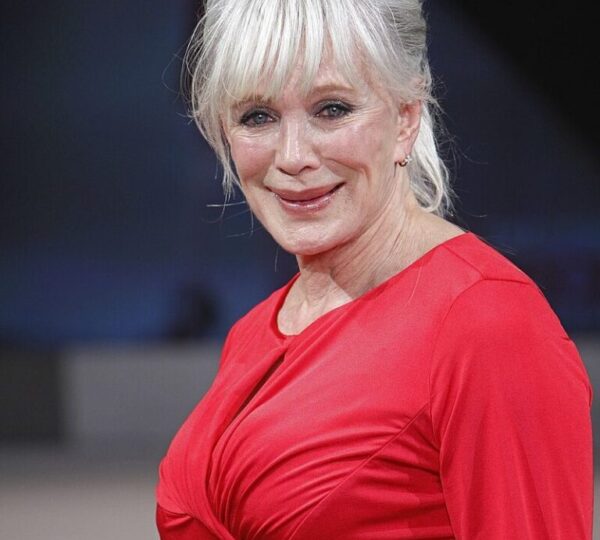
Although The Big Valley established Evans as a respected actress, even greater success awaited her in the following decade. By the late 1970s, producers were searching for performers capable of leading ambitious primetime dramas that combined romance, family conflict, luxury, and corporate intrigue. Evans possessed exactly the qualities many producers were seeking: elegance, emotional depth, professionalism, and the ability to portray compassion without sacrificing strength.
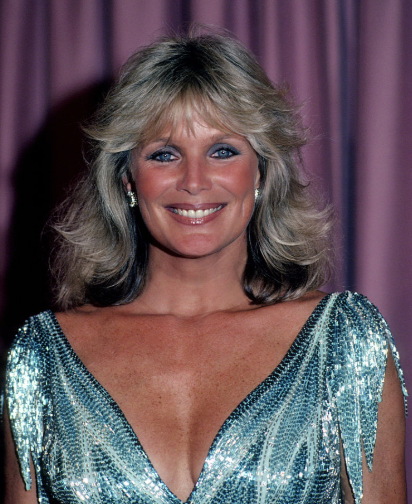
That opportunity arrived in 1981 when she accepted the role of Krystle Carrington in the ABC primetime soap opera Dynasty. The series quickly became one of the defining television programs of the decade, attracting enormous audiences in the United States and internationally. As Krystle, Evans portrayed a woman whose kindness, honesty, and dignity often contrasted with the ruthless ambition surrounding her. Her performance gave emotional balance to a series filled with dramatic storylines, family rivalries, and unexpected twists.
One of the most talked-about aspects of Dynasty was the on-screen rivalry between Krystle Carrington and Alexis Carrington, played by Joan Collins. Their characters frequently found themselves on opposite sides of family disputes and business conflicts, creating some of the most memorable dramatic confrontations in television history. Although tabloids often attempted to portray tension between the actresses themselves, both Evans and Collins later explained in interviews that they respected one another professionally and understood the importance of working together to create compelling television.
Audiences embraced Linda Evans not only because of her beauty but because of the sincerity she brought to every scene. While many television dramas relied heavily on spectacle, Evans consistently grounded her performances in believable human emotion. Viewers sympathized with Krystle’s compassion, resilience, and unwavering commitment to her family, making her one of the most beloved characters on television throughout the 1980s.

The extraordinary popularity of Dynasty also brought significant professional recognition. Evans received numerous award nominations and won a Golden Globe Award for Best Actress in a Television Drama. She also earned several People’s Choice Awards, reflecting the tremendous support she enjoyed among television audiences. These honors recognized not only individual performances but also the remarkable consistency she maintained throughout one of television’s most successful productions.
Away from the cameras, Linda Evans developed a reputation for professionalism, kindness, and humility. Colleagues frequently described her as prepared, respectful, and generous toward cast members and production crews alike. Even during the height of Dynasty’s international success, she avoided many of the controversies that often surrounded celebrity culture. Instead, she focused on delivering strong performances while maintaining close relationships with friends and family.
As the decade progressed, Linda Evans became one of the most recognizable faces on television. Magazine covers, television interviews, award ceremonies, and international publicity tours introduced her to audiences around the world. Yet despite the extraordinary fame she experienced, Evans repeatedly emphasized in interviews that lasting happiness depended on personal fulfillment rather than public recognition. That philosophy would later influence many of the important decisions she made after Dynasty concluded.

