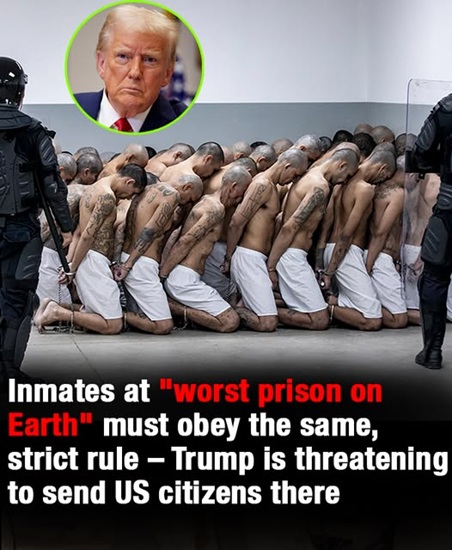
El Salvador’s Centre for the Confinement of Terrorism, widely known as CECOT, has become one of the most discussed prison facilities in the world. Located roughly 70 kilometers east of San Salvador, the facility was built as part of President Nayib Bukele’s large-scale security strategy aimed at addressing gang violence in the country. Since opening in 2023, it has been presented by the Salvadoran government as a key structure in restoring public order and reducing crime rates that had affected the country for many years.
The prison is designed with the capacity to hold tens of thousands of inmates, with estimates often citing up to 40,000 individuals. This scale makes it one of the largest correctional facilities in the Americas. Officials in El Salvador have described the project as a necessary response to organized crime networks that previously operated with significant influence in the country. However, the size and operational model of the facility have also drawn strong international attention and debate.
Security Policies and Political Strategy
CECOT is closely linked to President Bukele’s broader security policies, which include emergency measures and aggressive crackdowns on gang activity. Supporters of these policies point to a significant decline in homicide rates in El Salvador since their implementation. Government officials argue that increased enforcement and expanded detention capacity have contributed to improved safety conditions for citizens across the country.

At the same time, the government’s approach has raised questions among international observers. Critics argue that mass arrests and emergency powers may create risks related to due process and individual rights. Human rights organizations have expressed concern that some detentions may occur without sufficient legal transparency, although exact figures and case-by-case assessments remain subject to ongoing debate and review.
Structure and Operational Design of CECOT
CECOT was constructed with a focus on high security, control, and containment. According to official descriptions and media reports, the facility is designed to minimize internal movement and maintain strict surveillance over inmates. Cells are reportedly large but densely populated, with controlled access to facilities and highly regulated daily routines.
The design of the prison reflects a correctional model that prioritizes security over rehabilitation. Unlike traditional prison systems that may include education or reintegration programs, CECOT has been widely described as focusing primarily on long-term containment of individuals considered highly dangerous. This operational philosophy has contributed to both support and criticism from different international perspectives.
International Attention and Immigration Policy Links
CECOT has also become part of a wider international discussion due to its connection with immigration and deportation policies. In recent years, media reports have highlighted discussions involving cooperation between El Salvador and the United States regarding the handling of individuals accused of violent crimes. These discussions have included proposals to house certain deported individuals in Salvadoran facilities.
According to reporting from international news organizations such as Reuters, financial agreements were discussed involving the detention of deported individuals for fixed periods. These arrangements have been presented by officials as part of broader efforts to address transnational crime and improve cross-border security cooperation.
The involvement of immigration policy in this context has added another layer of complexity to the debate, especially in relation to how international law and domestic security priorities interact.

Human Rights Concerns and International Criticism
CECOT has faced significant scrutiny from human rights organizations and legal experts. Some reports describe concerns related to detention conditions, limited mobility, and long-term confinement practices. Critics argue that such conditions may raise questions about compliance with international human rights standards, particularly regarding treatment, rehabilitation, and legal oversight.
Miguel Sarre, a former member of the United Nations Subcommittee for the Prevention of Torture, has publicly expressed concerns about the facility, describing it in critical terms during interviews with international media outlets. Other observers have similarly questioned whether the prison’s design allows for adequate safeguards and independent monitoring.
It is important to note that many of these assessments are based on limited access reports, official visits, and secondary accounts, as full independent inspection of the facility remains restricted.
Reported Conditions Inside the Facility
Media reports and official tours have described CECOT as a highly controlled environment with strict daily routines. Inmates are reportedly housed in shared cells equipped with basic metal bunks and minimal personal belongings. Movement within the facility is tightly regulated, and surveillance systems are reportedly used throughout the complex.
According to available reporting, inmates follow structured schedules with limited time outside their cells. Exercise periods, when allowed, are conducted under supervision and in controlled areas. Authorities have stated that these measures are necessary due to the security risks associated with the inmate population.
Uniform policies are also enforced, including standardized clothing and regular grooming requirements. Prison officials have explained that such measures are intended to maintain order and reduce the risk of internal conflict.
Competing Narratives Around the Prison
Public opinion on CECOT remains deeply divided. Supporters of El Salvador’s approach argue that strong security measures have contributed to measurable improvements in safety and stability. They view the prison as part of a broader effort to regain control over areas previously affected by gang activity and violence.
Critics, however, emphasize concerns about proportionality, legal safeguards, and long-term detention practices. They argue that while security improvements may be real, they must be balanced with respect for human rights and legal transparency. International media coverage has reflected both perspectives, often presenting contrasting interpretations of the facility’s role and impact.
This division has made CECOT a symbol of broader global debates about security policy versus civil liberties.
Broader Implications for Global Policy
The discussions surrounding CECOT extend beyond El Salvador itself. The prison has become part of international conversations about how governments respond to organized crime, immigration challenges, and national security threats. In particular, its association with deportation policies has raised questions about international cooperation in criminal justice matters.
Policy analysts note that facilities like CECOT highlight the challenges governments face when balancing security priorities with human rights obligations. These discussions often involve legal frameworks, international agreements, and differing national approaches to incarceration and enforcement.
As global migration patterns and security concerns continue to evolve, these issues remain highly relevant to policymakers and international institutions.
CECOT continues to attract global attention due to its scale, structure, and political significance. For some, it represents a strong response to crime and instability, credited with contributing to improved public safety in El Salvador. For others, it raises serious questions about detention practices, legal protections, and human rights standards.
As reporting and international scrutiny continue, the debate surrounding the prison remains unresolved. Its role in both national security strategy and international immigration discussions ensures that it will remain a focal point in global conversations about justice, enforcement, and human rights policy for years to come.
