
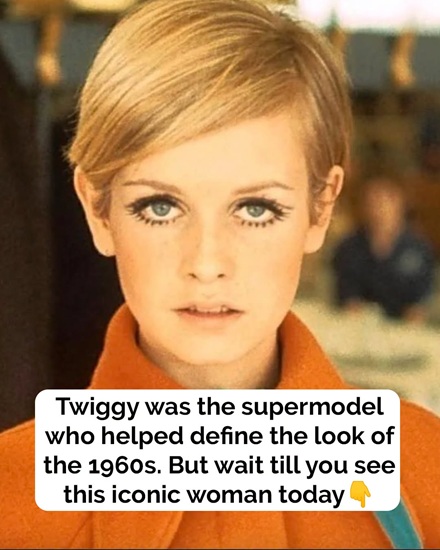
Few fashion icons have left a mark on popular culture as lasting as Twiggy. Known for her striking blue eyes, delicate features, and signature pixie haircut, the British model helped redefine beauty standards during the 1960s and became one of the most recognizable faces in fashion history. Her fresh, youthful appearance symbolized the energy of London’s “Swinging Sixties,” influencing designers, photographers, makeup artists, and young women around the world.
More than half a century later, Twiggy’s influence continues to be seen in fashion editorials, runway collections, and modern beauty trends. Born Lesley Lawson (née Hornby) on September 19, 1949, in Neasden, London, Twiggy grew up in a working-class family long before she became an international celebrity. Like many teenagers of her generation, she enjoyed experimenting with clothing and makeup while developing her own personal style.
At the time, London was becoming one of the world’s leading fashion capitals, with new designers, photographers, and artists introducing bold ideas that challenged traditional styles. Twiggy would soon become one of the defining faces of this cultural movement. Before her modeling career began, Twiggy never imagined that a simple visit to a hair salon would change the course of her life.
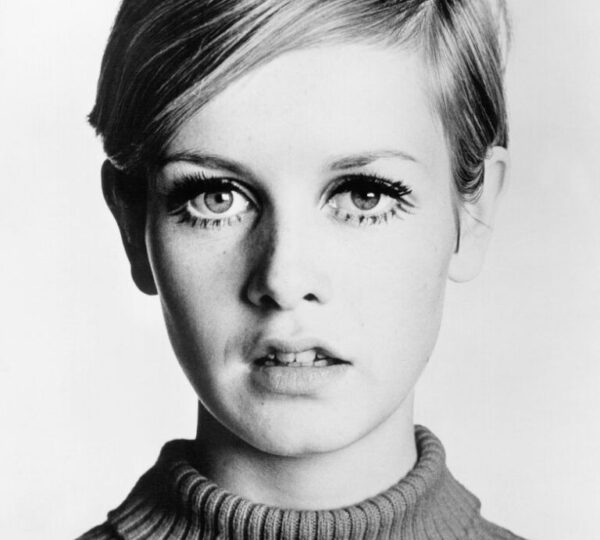
At the age of sixteen, she visited the famous House of Leonard salon in London’s Mayfair district, hoping only to have her hair washed and styled for a series of test photographs. During that visit, renowned hairstylist Leonard Lewis—better known professionally as Leonard of Mayfair—noticed her distinctive facial features and suggested using her as the model for a completely new haircut he wanted to introduce.
In later interviews, including an appearance on Jessie Ware’s Table Manners podcast, Twiggy explained that she had been growing her hair longer and initially did not want it cut short. However, she also admitted that she felt too shy to refuse the request while sitting in such a prestigious salon. Looking back, she described feeling uncertain about the decision, yet ultimately agreeing to the dramatic transformation that would unexpectedly define her public image for decades to come.
The makeover itself was far more extensive than a simple haircut. According to Twiggy’s recollection, she spent approximately seven hours at the salon while Leonard carefully cut, colored, reshaped, and perfected the style. The process required several stages before he achieved the precise look he envisioned. Although the experience seemed overwhelming at the time, the final result introduced one of the most recognizable hairstyles in fashion history—a sleek blonde pixie cut that perfectly highlighted her facial features.
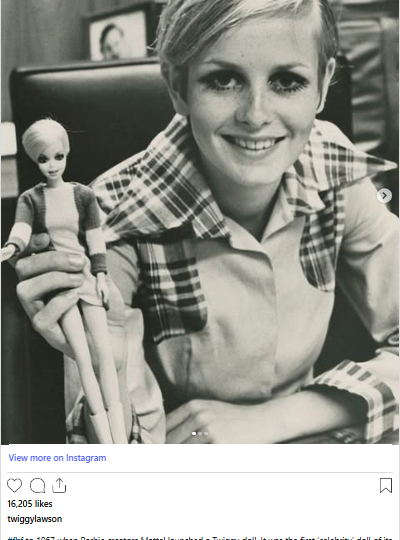
Once the haircut was complete, photographer Barry Lategan captured a series of black-and-white portraits that would soon become famous. Leonard displayed the photographs inside his salon, where fashion journalist Deirdre McSharry, then fashion editor of the Daily Express, happened to see them during one of her appointments. Impressed by the young model’s striking appearance, McSharry decided to feature Twiggy in the newspaper, an opportunity that immediately attracted widespread public attention.
Soon afterward, the Daily Express published the photographs under the headline “Twiggy – The Face of ’66.” The feature proved to be the breakthrough that launched her career almost overnight. Fashion magazines, photographers, advertising agencies, and designers quickly recognized that Twiggy represented a completely new image of modern beauty. Her youthful appearance, expressive eyes, and minimalist style differed significantly from the glamorous fashion icons who had dominated previous years, making her instantly memorable.
One of the defining elements of Twiggy’s appearance was her distinctive eye makeup. Her large blue eyes became the centerpiece of her signature look, enhanced by carefully applied mascara on both her upper and lower lashes. In interviews with Vogue, Twiggy explained that she developed the style herself after drawing inspiration from a rag doll she owned as a child, whose painted eyelashes fascinated her. By experimenting with false eyelashes and makeup techniques at home, she gradually created the look that became famous around the world.
Twiggy has often recalled that experimenting with makeup began during her teenage years outside school. Because her grammar school enforced strict rules prohibiting cosmetics, she and her friends would spend weekends trying different makeup styles before going to London’s popular Mod clubs. Those early experiments allowed her creativity to develop naturally and eventually became part of the image that defined an entire generation of fashion enthusiasts.
Shortly after her newspaper breakthrough, Twiggy appeared in her first Vogue magazine photo shoot. That assignment marked the beginning of an extraordinary international career. Within months, she was traveling extensively, appearing on magazine covers across Europe and North America, and working with many of the world’s leading photographers and fashion designers. Her schedule quickly became filled with editorial assignments, advertising campaigns, television appearances, and interviews as her popularity continued growing.
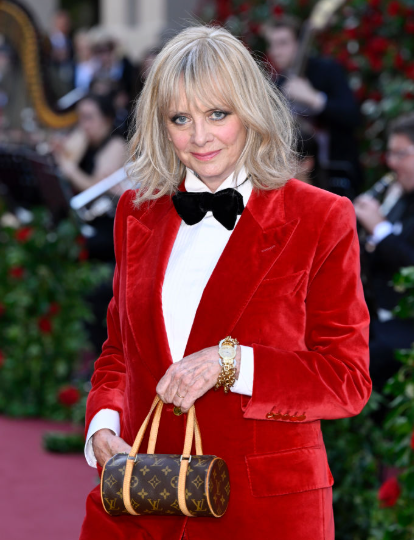
Twiggy’s influence extended beyond modeling itself. During the late 1960s, she became closely associated with the modern fashion movement that embraced shorter hemlines, geometric designs, bold colors, and youthful silhouettes. British designer Mary Quant, widely recognized for popularizing the miniskirt, helped define the era’s fashion revolution, while Twiggy’s photographs became one of its most recognizable visual symbols. Together, this generation of designers and models reshaped fashion by introducing styles that reflected greater freedom, confidence, and individuality for young women.
Although her modeling career reached extraordinary heights within only a few years, Twiggy continually sought new creative opportunities. Rather than remaining exclusively in fashion, she gradually expanded her work into acting, music, television, and business. Her willingness to explore different artistic fields demonstrated that she viewed herself not simply as a model but as a performer capable of developing a long and varied career beyond the runway.
Following her rapid rise to international fame, Twiggy chose not to remain solely in the world of modeling. While she had become one of the most photographed women of the 1960s, she believed it was important to continue exploring new creative opportunities. After only a few years at the top of the fashion industry, she gradually shifted her attention toward acting, music, television, and business, demonstrating that her talents extended well beyond the runway. This willingness to evolve helped her build a career that has remained active for decades.
In 1970, Twiggy officially retired from full-time modeling while she was still one of the world’s best-known fashion figures. Rather than viewing retirement as the end of her career, she saw it as an opportunity to pursue new artistic goals. Her decision surprised many people within the fashion industry, but it reflected her desire to continue growing professionally instead of repeating the same work year after year.
Her transition into acting proved successful. In 1971, Twiggy starred in the musical film The Boy Friend, directed by Ken Russell. Her performance received widespread praise from critics and audiences, earning her two Golden Globe Awards, including recognition for New Star of the Year. The achievement demonstrated that she possessed genuine acting ability and could successfully establish herself in another area of entertainment beyond fashion modeling.
Throughout the following decades, Twiggy continued appearing in films, television productions, and stage performances. She accepted a variety of projects that allowed her to develop new skills while maintaining a lasting connection with audiences. Although fashion had introduced her to the public, acting and television gave her opportunities to reach entirely new generations who knew her not only as a model but also as an accomplished performer.
Music also became an important part of her creative career. In 2011, she released the album Romantically Yours, featuring interpretations of classic songs from the Great American Songbook and other well-known standards. The project reflected her lifelong appreciation for music and allowed listeners to experience another side of her artistic personality. Her daughter, Carly Lawson, contributed vocals to several tracks, making the album an especially meaningful family collaboration.
Despite moving into different areas of entertainment, Twiggy never completely left the fashion world. She continued working with leading designers, magazines, and major international brands while becoming an ambassador for beauty and lifestyle companies. Over the years, she also collaborated on clothing collections and fashion campaigns, demonstrating that her influence remained strong long after the height of the Swinging Sixties. Her timeless style continued inspiring both established designers and younger generations entering the fashion industry.
As fashion trends changed over the decades, Twiggy’s signature look remained remarkably influential. Her short blonde hairstyle, expressive eye makeup, and minimalist elegance have been revisited countless times by designers, hairstylists, photographers, and makeup artists. Modern fashion editorials frequently reference her iconic appearance, while celebrities and models have often cited her as an inspiration for contemporary interpretations of the classic pixie haircut.
Beyond her professional achievements, Twiggy has consistently emphasized that family has always been her greatest priority. She has spoken openly about balancing work with motherhood and making decisions based on what she believed was best for her daughter, Carly Lawson. Following the death of Carly’s father, actor Michael Witney, Twiggy later married actor Leigh Lawson in 1988, and together they helped provide a stable and supportive family environment.
In interviews, Twiggy has explained that she deliberately organized her professional schedule so she could spend as much time as possible with her daughter. Rather than allowing an international career to separate them, she often brought Carly with her while traveling for work whenever possible. Looking back on those years, Twiggy has said that maintaining a close relationship with her daughter has been one of the most rewarding accomplishments of her life.
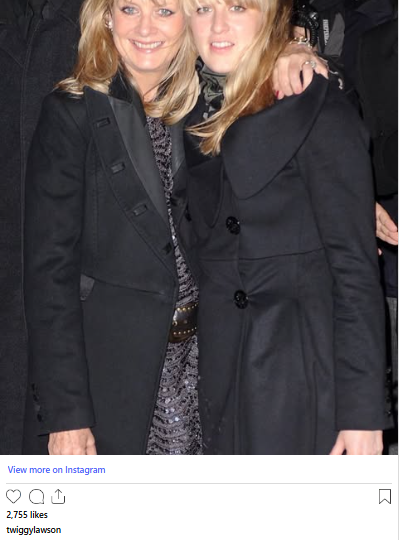
Today, Twiggy is also a proud grandmother and continues to value family above professional recognition. Although her career includes international fame, prestigious awards, and decades of influence across multiple industries, she has frequently stated that the relationships she shares with her loved ones remain the achievements she treasures most. Her reflections illustrate a perspective shaped not only by success but also by gratitude for the people closest to her.
In recent years, Twiggy has remained active through interviews, public appearances, fashion collaborations, and her podcast, Tea with Twiggy. The program features conversations with actors, musicians, designers, authors, and other notable guests, offering audiences thoughtful discussions about creativity, careers, and life experiences. The podcast reflects her continuing curiosity and her ability to connect naturally with people from many different backgrounds.
More than half a century after she first appeared on the cover of newspapers and fashion magazines, Twiggy remains one of the most influential figures in modern fashion history. Her remarkable journey—from a shy teenager in a London hair salon to an internationally recognized model, actress, singer, entrepreneur, and broadcaster—demonstrates how unexpected opportunities can change the course of a person’s life. Her story continues to inspire aspiring models, artists, and creative professionals around the world.
Today, historians of fashion widely recognize Twiggy as one of the defining cultural icons of the 1960s. Her influence extended beyond clothing and hairstyles, helping shape broader ideas about youth culture, creativity, individuality, and modern style. Through decades of work in fashion, entertainment, and media, she has built a legacy that continues to resonate with new generations, ensuring that her contribution to popular culture remains both enduring and historically significant.

