
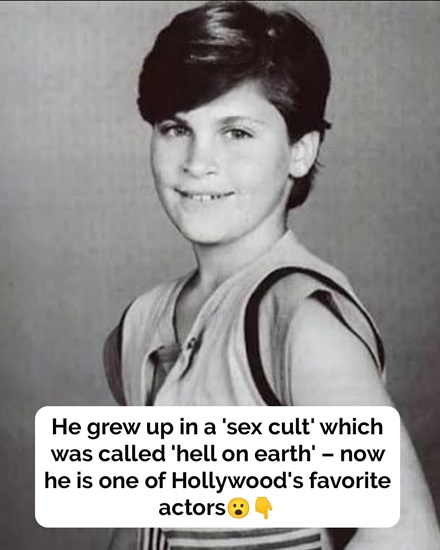
Joaquin Phoenix is widely regarded as one of the most gifted actors of his generation, earning international recognition for his ability to completely transform himself for every role he plays. Whether portraying historical figures, musicians, conflicted antiheroes, or fictional characters, he has built a career based on emotional depth, authenticity, and remarkable dedication to his craft. His performances have earned praise from audiences and critics alike, while numerous prestigious awards have recognized his contribution to modern cinema.
Yet long before he became an Academy Award-winning actor, Joaquin experienced a childhood unlike that of most Hollywood stars. Born on October 28, 1974, in San Juan, Puerto Rico, Joaquin Rafael Phoenix was the third of five children born to John Lee Bottom and Arlyn Bottom. His siblings—River, Rain, Liberty, and Summer—would all eventually pursue careers in the entertainment industry. During Joaquin’s earliest years, however, fame and financial success were far from the family’s reality.
Instead, his parents were searching for a different way of life, one that rejected many traditional social expectations in favor of alternative beliefs and communal living. During the early years of their marriage, Joaquin’s parents became involved with a religious movement known as Children of God, an organization that attracted followers from different parts of the world during the late 1960s and 1970s. Like many families who joined the movement, they initially believed they had found a community that reflected their spiritual values and ideals.

Joaquin later explained in interviews that his parents did not knowingly join what would later become widely recognized as a destructive cult. Instead, they believed they were joining a close-knit religious community before eventually discovering troubling aspects of the organization. As members of the group, the family traveled throughout parts of South America, living a highly unconventional and often financially difficult lifestyle.
Resources were limited, and daily life frequently involved moving from one location to another. According to Joaquin’s own recollections, the children helped distribute religious literature and participated in fundraising activities as part of the group’s practices. These experiences exposed him to an unusual childhood that differed greatly from the stable upbringing experienced by many children of the same age.
By the late 1970s, Joaquin’s parents had become increasingly uncomfortable with the direction of the organization. Publicly available accounts indicate that they decided to leave after realizing the group’s teachings had become increasingly extreme and inconsistent with their own values. Joaquin has spoken respectfully about his parents’ decision, explaining that once they recognized the true nature of the organization, they chose to leave and begin rebuilding their lives elsewhere. Their departure marked a major turning point for the entire family.
After leaving the group, the family returned to the United States and settled in Florida with the assistance of relatives while working to establish a new beginning. During this period, they decided to change their family surname from Bottom to Phoenix, choosing a name that symbolized renewal, resilience, and the opportunity to start over after difficult circumstances. The symbolic meaning of the phoenix—a mythical bird associated with rebirth—would later become closely connected with the family’s remarkable journey.
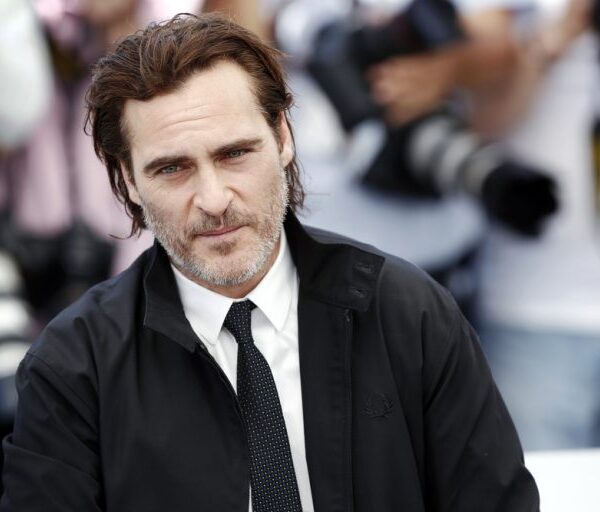
Although financial challenges continued after returning to America, Joaquin’s parents remained determined to provide opportunities for their children. The family lived modestly, often facing economic hardship while searching for stable employment. Nevertheless, they encouraged creativity, music, and artistic expression within the household. All five children demonstrated talent in performing arts, and before long, entertainment professionals began noticing their abilities.
Seeking greater opportunities, the family eventually relocated to Southern California. According to Joaquin’s later interviews, the journey itself reflected the family’s limited financial resources. Traveling in an aging station wagon with very few possessions, they hoped to establish new careers in the entertainment industry. One particularly emotional memory Joaquin has shared involved having to give away the family’s dog because they could no longer afford to care for another animal during the move.
An important opportunity soon emerged when Joaquin’s mother obtained employment in NBC’s casting department. Although her position was administrative rather than creative, it introduced the family to the entertainment industry and provided valuable information about auditions and casting opportunities. Before long, Joaquin and his siblings began auditioning for television commercials and small acting roles, gradually gaining professional experience despite their young ages.
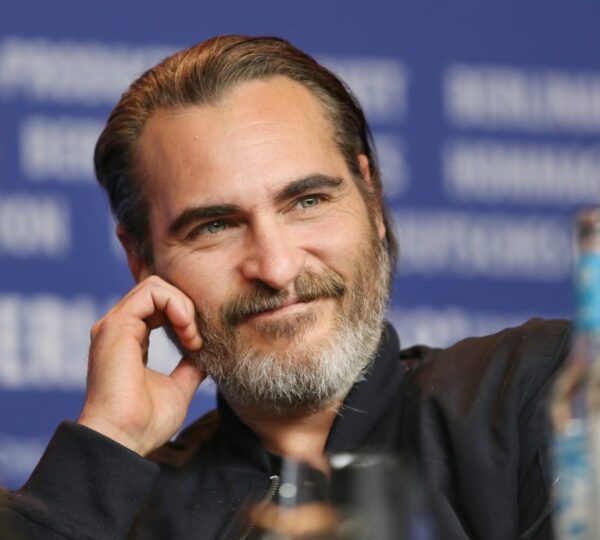
Joaquin later described his first experiences in front of the camera as deeply meaningful. He has recalled recognizing almost immediately that acting was something he genuinely loved. Rather than viewing auditions simply as work, he experienced a sense of excitement and fulfillment that convinced him he wanted to continue performing. In later interviews, he compared that realization to the feeling many young athletes describe when they first discover a sport they truly enjoy.
During the early years of his career, however, Joaquin often found himself compared with his older brother River Phoenix. River quickly established himself as one of Hollywood’s most promising young actors through acclaimed performances in films including Stand by Me, Running on Empty, and My Own Private Idaho. As River’s reputation continued growing, Joaquin sometimes found it difficult to establish his own identity within the industry. Public attention frequently focused on River’s remarkable success, leaving Joaquin to develop his own career at a slower pace.
Everything changed in October 1993 when River Phoenix tragically died at the age of 23 outside The Viper Room in Los Angeles following acute drug intoxication. Joaquin, who was present during the emergency, placed the 911 call requesting medical assistance. The deeply painful event became one of the defining moments of his life. Over the years, Joaquin has spoken only sparingly about that night, preferring to remember his brother through his talent, generosity, and influence rather than through the circumstances of his death.
Following River’s passing, the Phoenix family temporarily withdrew from public attention while grieving their loss. Joaquin stepped away from acting for several years, focusing instead on healing alongside his family. The break allowed him time away from Hollywood during one of the most difficult periods of his life. Although he eventually returned to filmmaking, those years profoundly influenced both his personal outlook and his later approach to acting.
Rather than attempting to imitate his brother’s career, Joaquin gradually developed a style entirely his own. His performances became known for emotional honesty, careful preparation, and an extraordinary willingness to immerse himself completely in complex characters. Directors and fellow actors increasingly recognized his commitment to authenticity, laying the foundation for one of the most respected acting careers of the twenty-first century.
After returning to acting, Joaquin Phoenix gradually established himself as one of Hollywood’s most respected performers. Rather than accepting roles based solely on commercial appeal, he became known for choosing complex characters that challenged both himself and audiences. His commitment to preparation, emotional authenticity, and character development earned widespread respect from directors, fellow actors, and film critics. Over time, he developed a reputation for delivering performances that felt deeply personal while remaining faithful to each story’s narrative.
One of the defining moments of his career came with Ridley Scott’s historical epic Gladiator (2000), in which Phoenix portrayed the Roman emperor Commodus. His performance received widespread critical acclaim and earned him his first Academy Award nomination for Best Supporting Actor. The film itself became a major international success, winning multiple Academy Awards, including Best Picture. For many viewers, Gladiator introduced Joaquin Phoenix as an actor capable of portraying emotionally complex and psychologically layered characters with remarkable intensity.
Throughout the following years, Phoenix continued building an impressive filmography that reflected his willingness to explore a wide variety of genres. His portrayal of legendary musician Johnny Cash in Walk the Line (2005) required months of vocal training and musical preparation. Rather than relying on pre-recorded performances, Phoenix performed many of the songs himself, demonstrating his dedication to portraying the iconic singer as authentically as possible. His performance earned another Academy Award nomination and won him a Golden Globe Award for Best Actor.
Joaquin’s career has often been defined by transformation. Whether portraying real historical figures or fictional personalities, he is widely recognized for immersing himself completely in each role. Directors have frequently commented on his meticulous preparation, while colleagues have praised his ability to communicate emotion through subtle facial expressions, body language, and restrained performances. This commitment has helped distinguish him as one of the most versatile actors working in contemporary cinema.
His portrayal of Arthur Fleck in Joker (2019) represented another significant milestone. The performance received widespread critical recognition and earned Phoenix the Academy Award for Best Actor, along with a BAFTA Award, a Golden Globe Award, and a Screen Actors Guild Award. Critics highlighted his emotional depth and physical transformation while acknowledging the demanding nature of the role. The film became both a commercial success and one of the most discussed performances of the year.
Beyond his achievements in film, Joaquin Phoenix has long been recognized for his commitment to animal welfare and environmental causes. He has followed a vegan lifestyle since childhood and has consistently supported organizations dedicated to animal protection. Throughout his career, he has participated in documentaries, public awareness campaigns, and charitable initiatives focusing on ethical treatment of animals and environmental sustainability. These activities reflect personal values he has discussed openly in interviews over many years.
Phoenix has explained that his family’s decision to adopt a vegan lifestyle occurred after a childhood experience while traveling by ship from Venezuela to the United States. According to his own recollections shared in interviews, witnessing the treatment of fish being caught and killed had a profound emotional impact on him and his siblings. Shortly afterward, the family adopted a vegan lifestyle, a decision Joaquin has continued to follow throughout his adult life.
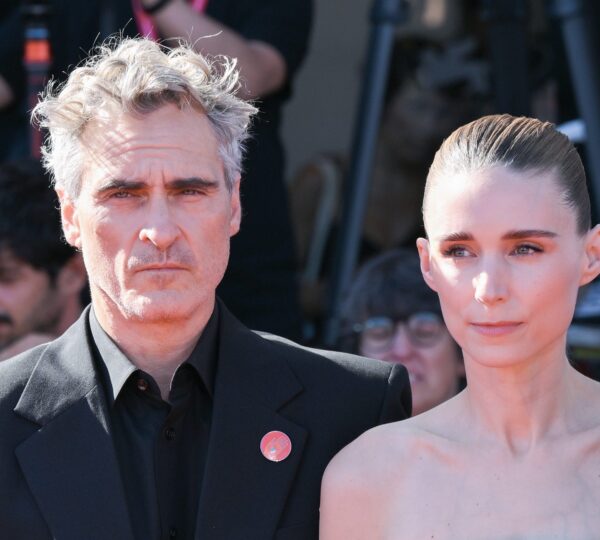
In his personal life, Joaquin Phoenix has maintained a reputation for valuing privacy despite his international fame. He and actress Rooney Mara first met while working in the film industry before later developing a relationship during the production of Mary Magdalene. The couple became engaged in 2019 and have since welcomed two children. Their first child was named River in honor of Joaquin’s late brother, reflecting the lasting influence River continues to have on the Phoenix family.
Although both Joaquin Phoenix and Rooney Mara are internationally recognized actors, they generally keep their family life away from public attention. In interviews, they have occasionally spoken about parenthood, describing it as one of the most meaningful experiences of their lives while emphasizing the importance of providing their children with as normal and private an upbringing as possible. Their approach reflects a consistent effort to separate their professional careers from their family life.
Those who have worked with Joaquin Phoenix frequently describe him as thoughtful, intensely focused, and deeply committed to every project he accepts. While he is often associated with emotionally demanding performances, colleagues have also spoken about his professionalism, careful preparation, and willingness to collaborate throughout the filmmaking process. These qualities have contributed to long-standing working relationships with many respected directors and producers.
Today, Joaquin Phoenix is widely regarded as one of the defining actors of his generation. His career includes acclaimed performances across historical dramas, biographical films, psychological thrillers, and independent productions. His numerous honors—including an Academy Award, BAFTA Award, Grammy Award, Screen Actors Guild Award, Golden Globe Awards, and several international film awards—reflect the consistent recognition he has received from the film industry throughout his career.
Looking back at his remarkable journey, Joaquin Phoenix’s life illustrates an extraordinary transformation—from an unconventional childhood marked by financial hardship and instability to becoming one of the world’s most respected actors. His story is one of resilience, artistic dedication, and continual personal growth. Through decades of memorable performances and a commitment to meaningful storytelling, he has built a legacy that extends far beyond awards, ensuring his place among the most influential performers in modern cinema.

