
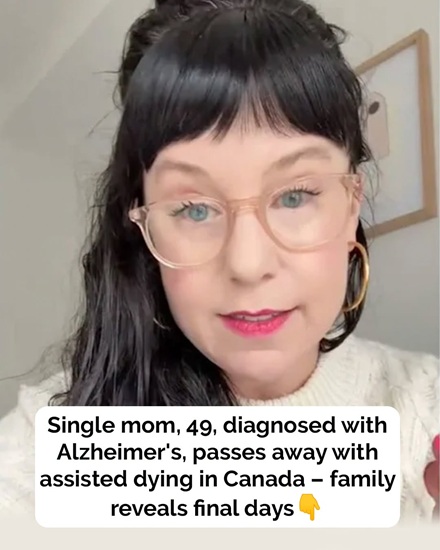
Rebecca Luna, a Canadian content creator known on TikTok as @wheredidrebeccago, touched the lives of thousands of people by openly documenting her experience after being diagnosed with young-onset Alzheimer’s disease. Through honest and thoughtful videos, she shared both the emotional and practical challenges of living with a progressive neurological condition at an age when many people are still raising families, building careers, and planning for the future.
Her story resonated with audiences because it combined personal vulnerability with a commitment to raising awareness about a disease that is often misunderstood. Young-onset Alzheimer’s disease is a less common form of Alzheimer’s that affects people before the age of 65. Although Alzheimer’s is generally associated with older adults, medical experts recognize that the disease can also develop in people in their 40s or 50s.
Because the symptoms may initially resemble stress, anxiety, depression, or other neurological conditions, diagnosis can sometimes take time. Early recognition and comprehensive medical evaluation are important in helping patients and their families understand the condition and plan appropriate care. According to information Rebecca Luna shared publicly, she sought medical advice after noticing concerning changes in her health.
Following medical assessments, she learned that she had developed young-onset Alzheimer’s disease. She later explained to her audience that doctors had estimated a life expectancy of approximately five to seven years following her diagnosis, although disease progression can vary considerably from person to person. Every individual living with Alzheimer’s experiences the illness differently, and outcomes depend on many medical factors.
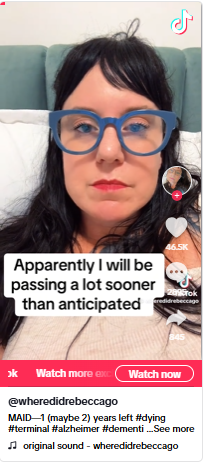
Throughout her social media journey, Luna chose to speak openly about the realities of living with a progressive neurological disease. Rather than presenting only the difficult moments, she also shared reflections about family, resilience, and the importance of making meaningful memories with loved ones. Her videos encouraged many viewers to learn more about Alzheimer’s disease while also fostering greater empathy toward individuals living with cognitive illnesses.
As her condition progressed, Luna publicly discussed her decision to pursue Medical Assistance in Dying (MAID), a legal end-of-life option available in Canada under specific legal eligibility requirements established by Canadian law. She explained that making this decision was deeply personal and emotionally difficult. Her videos described her own experience and should not be understood as recommendations for others, as decisions regarding end-of-life care are highly individual and depend on personal values, medical circumstances, and applicable laws.
Rebecca later informed her followers that her planned MAID date had been moved earlier because her condition had deteriorated more rapidly than expected. In one of her final public videos, she explained that she no longer felt comfortable or safe in her own body as the disease continued to progress. She emphasized that arriving at this decision had required careful reflection over time and described it as one of the most difficult choices she had ever faced.
During her final public messages, Luna also reflected on many aspects of her life beyond her medical diagnosis. She spoke candidly about surviving a difficult childhood and overcoming addiction earlier in life. She expressed pride in maintaining her sobriety despite facing extraordinary personal challenges. These reflections offered viewers a broader understanding of the resilience she believed had shaped her character long before her Alzheimer’s diagnosis.
Rebecca frequently emphasized the importance of spending meaningful time with family and close friends. As her health continued to decline, she chose to reduce her online activity so she could focus on those closest to her. Her decision reflected a desire to dedicate her remaining time to personal relationships rather than continuing regular content creation. Many of her followers expressed appreciation for the honesty and dignity with which she shared her journey throughout the course of her illness.
On July 28, 2026, Rebecca Luna’s daughter, Maya, publicly confirmed that her mother had died two days earlier. According to her statement, Rebecca passed away peacefully while surrounded by loved ones. The announcement prompted an outpouring of condolences from followers who had accompanied her throughout her journey and had been moved by her openness, courage, and willingness to educate others about young-onset Alzheimer’s disease.
Beyond her personal story, Rebecca Luna’s experience has contributed to wider public conversations about Alzheimer’s disease, neurological disorders affecting younger adults, caregiving, and the complex realities faced by families living with progressive illnesses. Her decision to speak openly encouraged many people to learn more about a condition that often receives less public attention than late-onset Alzheimer’s disease.
Medical organizations continue emphasizing that while Alzheimer’s disease currently has no cure, early diagnosis, ongoing medical care, supportive therapies, and comprehensive care planning can help patients and families manage symptoms and maintain quality of life for as long as possible. Continued research into Alzheimer’s disease remains a major priority worldwide, with scientists working to better understand the causes of the illness and develop more effective treatments for future patients.
Rebecca Luna’s decision to publicly document her experience also helped increase awareness of the daily realities faced by people living with young-onset Alzheimer’s disease. Unlike many medical conditions that primarily affect older adults, young-onset Alzheimer’s often develops during years when individuals are actively raising children, maintaining careers, and planning for the future. A diagnosis at this stage of life can bring significant emotional, practical, and financial challenges, not only for the individual but also for their family and support network.
Medical experts explain that Alzheimer’s disease is a progressive neurological disorder that gradually affects memory, thinking, communication, and the ability to perform everyday activities. Although treatments may help manage certain symptoms and improve quality of life for some patients, there is currently no cure. Because disease progression varies from person to person, healthcare professionals emphasize the importance of individualized medical care, ongoing monitoring, and support tailored to each patient’s needs.
Throughout her public updates, Luna consistently spoke about the importance of spending meaningful time with those closest to her. As her condition advanced, she explained that she wanted to focus her remaining time on family and close friends rather than continuing regular social media content. Her final messages reflected gratitude for the support she had received from many people who had followed her journey and offered encouragement throughout her illness.
Rebecca also spoke openly about experiences earlier in her life, including surviving childhood trauma and overcoming addiction. She explained that remaining sober throughout the challenges of her Alzheimer’s diagnosis was an achievement she valued deeply. By sharing these personal experiences, she hoped others facing difficult circumstances would understand that recovery, resilience, and personal growth are possible even after significant adversity. These reflections became an important part of the legacy she chose to leave through her public platform.
Following the announcement of her death, many individuals shared messages of sympathy and remembrance across social media. Numerous followers expressed appreciation for her honesty, compassion, and willingness to discuss topics that are often difficult for families to address publicly. Others noted that her openness had encouraged them to learn more about Alzheimer’s disease and to better understand the experiences of people living with progressive neurological illnesses.
Rebecca Luna’s story has also contributed to broader public discussions about caregiving. Families caring for loved ones with Alzheimer’s disease often face emotional, physical, and practical responsibilities that evolve as the condition progresses. Healthcare organizations frequently emphasize that caregivers also benefit from education, community resources, emotional support, and access to professional guidance while helping family members navigate the challenges associated with progressive cognitive disorders.
Her public discussion of Medical Assistance in Dying (MAID) also prompted renewed conversations about end-of-life care. MAID is legally available in Canada under specific eligibility criteria established by Canadian law and involves a structured medical assessment process. Laws regarding assisted dying differ significantly between countries and jurisdictions. Decisions concerning end-of-life care are deeply personal and are made according to an individual’s medical circumstances, values, applicable laws, and consultation with qualified healthcare professionals.
Because these subjects involve complex medical, ethical, legal, and personal considerations, healthcare organizations encourage individuals and families to seek information from licensed medical professionals and trusted healthcare providers when discussing treatment options or advance care planning. Every patient’s situation is unique, and medical decisions should be based on individualized clinical advice rather than experiences shared online.
Young-onset Alzheimer’s remains an area of active medical research. Scientists around the world continue studying the biological mechanisms responsible for the disease while developing improved diagnostic methods, potential treatments, and supportive care strategies. Continued research offers hope that future advances may improve outcomes and quality of life for individuals diagnosed with Alzheimer’s and other neurodegenerative disorders.
Public awareness campaigns have also played an important role in helping people recognize early warning signs of cognitive decline. Although occasional forgetfulness can occur for many reasons, persistent changes involving memory, language, judgment, or daily functioning should be evaluated by qualified healthcare professionals. Early assessment can help identify possible causes and allow patients and families to begin planning appropriate medical care and support services.
Rebecca Luna’s willingness to share her experience provided many people with a greater understanding of a disease that is often misunderstood, particularly when it affects younger adults. While her personal journey was unique to her own circumstances, her openness encouraged thoughtful conversations about neurological illness, caregiving, resilience, and the importance of compassion toward individuals and families facing serious medical conditions.
Ultimately, Rebecca Luna’s legacy extends beyond her social media presence. Through honest storytelling and respectful discussion of her diagnosis, she helped increase public understanding of young-onset Alzheimer’s disease while encouraging empathy for those living with progressive neurological disorders. Her story serves as a reminder of the importance of continued medical research, family support, and compassionate care for individuals affected by Alzheimer’s disease and their loved ones.

