
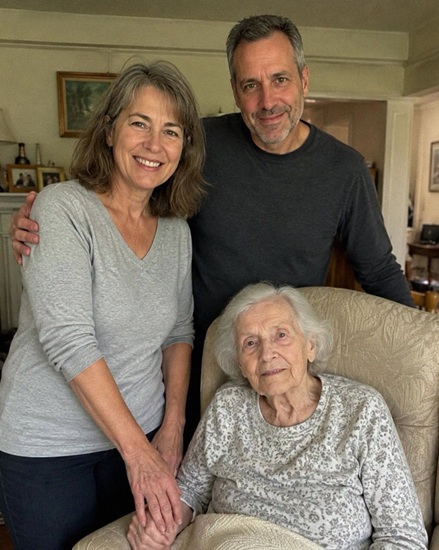
For more than three decades, Diane believed she had built a life founded on trust, commitment, and shared responsibility. She and her husband, Michael, had spent thirty-one years creating a home together, raising two children, paying household expenses, and supporting one another through life’s many challenges. Like many long marriages, theirs had experienced both joyful milestones and difficult seasons, but Diane believed that their commitment to one another remained strong.
She never imagined that one of the most emotionally exhausting periods of her life would be followed by an unexpected turn that would change everything she thought she knew about her marriage. The previous year had been devoted almost entirely to caring for Michael’s elderly mother, Evelyn, whose health had steadily declined as Alzheimer’s disease progressed. Diane became her primary caregiver, helping with everyday tasks that gradually became impossible for Evelyn to manage on her own.
She prepared meals, assisted with personal care, accompanied her to medical appointments, and remained beside her during long nights when confusion and anxiety made sleep difficult. Although caregiving demanded enormous physical and emotional strength, Diane never viewed it as an obligation. Instead, she believed she was honoring a member of her family with compassion and dignity during one of life’s most challenging chapters.
As Evelyn’s illness advanced, there were moments when her memory briefly became clearer before fading again. Family members often treasured these rare periods of lucidity because they offered opportunities for meaningful conversations that had become increasingly uncommon. Diane appreciated every smile, every remembered name, and every small sign that the woman she had known for years was still present beneath the illness. Those moments reminded her why she continued providing care despite the emotional and physical demands that accompanied each passing day.
Shortly before Evelyn’s passing, one conversation stood out in Diane’s memory more than any other. During what appeared to be one of those brief periods of clarity, Evelyn looked directly at her and quietly spoke a few words that Diane could not fully understand at the time. The statement seemed important, yet its meaning remained unclear. Because Alzheimer’s disease can affect memory, communication, and perception, Diane did not immediately know whether the remark reflected a meaningful message or simply the confusion that often accompanies the illness. Even so, the words stayed with her, lingering in her thoughts throughout the difficult days that followed.
After Evelyn’s funeral, Diane expected that she and Michael would support one another as they adjusted to life after such a significant loss. Instead, according to the events described in this story, Michael surprised her by presenting divorce papers only days after the funeral. Diane was overwhelmed not only by grief but also by disbelief. The timing made it difficult for her to process everything at once. While she was still mourning the loss of someone she had cared for so devotedly, she now faced uncertainty about the future of her marriage and the home they had shared for decades.
As Diane reflected on the previous months, she began noticing details that had seemed insignificant at the time but now appeared unusual. She remembered Michael spending long periods organizing old documents, making private phone calls, and avoiding conversations whenever she asked questions about family paperwork. None of these actions had seemed especially suspicious while she was focused on caring for Evelyn. Looking back, however, she wondered whether events had been unfolding without her knowledge while her attention remained devoted to caregiving responsibilities.
Searching for answers became less about financial concerns and more about understanding what had happened to the relationship she believed they had built together. After more than thirty years of marriage, Diane found herself questioning whether trust had slowly disappeared without her realizing it. She reflected on the sacrifices both spouses often make during long-term relationships and on how caregiving responsibilities can place tremendous emotional pressure on families. Rather than responding immediately out of anger, she chose to carefully review the circumstances before making any important decisions.
The days that followed became a period of reflection as much as uncertainty. Diane found herself remembering Evelyn’s kindness during healthier years, the conversations they had shared before illness changed daily life, and the final words that continued to echo in her mind. Whether those words held practical significance or simply represented one final connection between caregiver and patient, Diane felt compelled to understand their meaning. That search for answers would eventually lead her to discover information that could change the course of her future in ways she never expected.
In the days that followed, Diane continued thinking about Evelyn’s final words. Although she could not be certain what they meant, she felt a responsibility to carefully organize the older family documents that remained in Evelyn’s room before anything was donated or discarded. Sorting through personal belongings after the loss of a loved one is often an emotional process, filled with photographs, handwritten notes, and memories collected over many decades. Diane approached the task with patience, determined to preserve anything that might hold sentimental or practical value for the family.
While organizing a small collection of papers, Diane came across an envelope that appeared to have been intentionally set aside. It contained documents together with a handwritten letter from Evelyn. According to this story, the letter explained that Evelyn had wanted to ensure her wishes regarding the family home were clearly documented. Rather than relying on verbal conversations, she had chosen to complete the appropriate legal paperwork several years earlier with the assistance of a qualified attorney. The documents reflected her personal decisions concerning the property and had been prepared in accordance with the legal requirements applicable at that time.
Recognizing the importance of the discovery, Diane chose not to draw immediate conclusions on her own. Instead, she arranged a meeting with an attorney experienced in property and estate matters so the documents could be reviewed professionally. The attorney carefully examined the paperwork, compared it with public records, and explained the legal significance of each document. Receiving independent legal guidance helped Diane understand her rights without relying on assumptions or emotional reactions during an already difficult period of her life.
When Diane later discussed the matter with Michael, the conversation reflected the reality that legal disputes involving family property are often complex and emotionally challenging. Rather than responding with anger, she relied on the documented evidence and the advice she had received from her attorney. Situations involving inheritance, jointly owned property, or estate planning are best resolved through established legal procedures, which help ensure that everyone’s rights and responsibilities are considered fairly under the law.
The events described in this story also highlight the importance of thoughtful estate planning. Legal professionals frequently encourage individuals to prepare wills, maintain accurate property records, and communicate their wishes clearly with family members whenever possible. Proper documentation can reduce misunderstandings, prevent future disputes, and provide greater certainty during periods that are already emotionally difficult. Although every family’s circumstances are different, planning ahead often helps loved ones navigate major life transitions with greater clarity.
As time passed, Diane gradually rebuilt her daily routine. She returned to work as a bookkeeper, reconnected with friends, and focused on creating stability after a period filled with uncertainty. Recovering from both the loss of a loved one and the end of a long marriage required patience, but she found that establishing new routines helped restore confidence and independence. Each small step forward became part of a longer process of healing and personal growth.
Looking back, Diane continued to remember the many months she had spent caring for Evelyn. Rather than focusing only on the legal outcome, she reflected on the compassion, patience, and dignity that had guided her caregiving. Those experiences remained meaningful regardless of how other relationships had changed. Caring for someone facing a serious illness had been emotionally demanding, but it also reinforced values of kindness and responsibility that she intended to carry forward.
This story also illustrates how difficult family situations often involve multiple perspectives, strong emotions, and complicated legal questions. While trust can be tested during periods of grief or major life change, resolving disagreements through respectful communication and appropriate legal advice is generally the most constructive path. Seeking guidance from qualified professionals allows important decisions to be based on verified information rather than assumptions or conflict.
Ultimately, Diane’s journey became one of resilience rather than resentment. Although she faced unexpected challenges after many years of marriage, she chose to move forward with confidence, guided by documented facts, legal advice, and the support of people she trusted. The story concludes with a reminder that honesty, careful planning, and compassion can leave a lasting legacy. Even during life’s most difficult chapters, integrity and perseverance often provide the strongest foundation for building a new beginning.

