
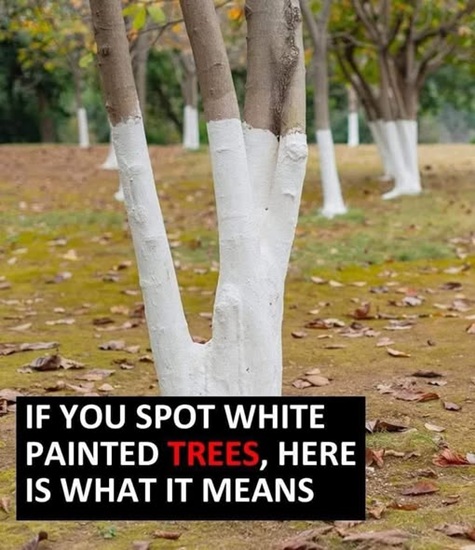
Nature naturally displays an impressive range of colors, with trees being one of the most visually diverse elements in the environment. Forests change appearance throughout the seasons, showing pink blossoms in spring, deep green foliage in summer, golden and red tones in autumn, and bare branches in winter. However, in many managed environments, people may notice something unusual: tree trunks painted white. While this may seem decorative or artificial at first glance, the practice actually has practical and scientific purposes rooted in forestry and plant care.
Unlike naturally white-barked species such as birch trees, most trees do not naturally develop white trunks. Instead, the white coating seen on many trees is applied by humans in specific contexts such as orchards, urban landscaping, and forestry management. This application is not random but is based on the goal of protecting young or vulnerable trees from environmental stress and physical damage.
Protection Against Sunscald and Temperature Fluctuations
One of the most important reasons for painting tree trunks white is to prevent a condition known as sunscald. Sunscald occurs when tree bark is exposed to rapid and extreme temperature changes, particularly during winter months. On cold nights, the bark may become very cold, but during sunny days, direct sunlight can heat the bark quickly. This sudden fluctuation creates stress in the outer layers of the tree.
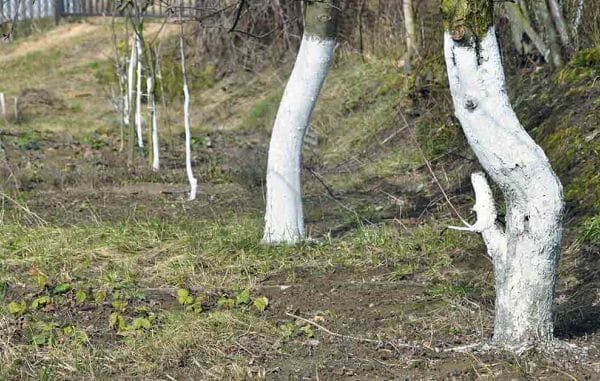
When this stress becomes too intense, the bark can crack or split. These cracks are not only structural damage but also entry points for harmful organisms such as fungi, bacteria, and insects. Once a tree’s protective outer layer is compromised, its overall health can decline over time, especially in younger trees that have not yet developed thick bark.
White paint helps reduce this risk by reflecting sunlight away from the bark surface. This reflection prevents excessive heat absorption and helps maintain a more stable temperature throughout the day. As a result, the tree experiences fewer extreme temperature shifts, lowering the risk of physical damage.
Scientific and Expert Perspectives on Tree Painting
Forestry experts and arboriculture researchers have long studied the effects of bark protection methods. According to specialists such as Christopher Evans from the University of Illinois Urbana-Champaign, white paint is most commonly applied to young trees or those with thin bark. These trees are especially vulnerable to environmental stress because their protective outer layers are not yet fully developed.
Experts emphasize that the purpose of tree painting is not aesthetic but functional. The goal is to create a protective barrier that minimizes thermal stress during periods of extreme weather variation. This is particularly important in regions that experience cold winters followed by strong daytime sunlight.
In professional forestry practices, this method is often considered a temporary solution. As trees mature and their bark thickens naturally, their resistance to environmental stress increases, reducing the need for artificial protection.
Tree Painting as a Management and Identification Tool
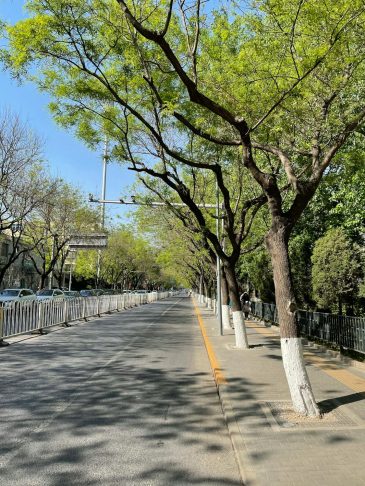
In addition to protection, tree painting is also used as a practical tool for management and communication in forestry and urban maintenance. In parks, cities, and agricultural environments, painted markings help workers identify specific trees that require attention, maintenance, or removal.
Different markings may indicate different instructions depending on local systems. For example, a painted mark might signal that a tree should be inspected, trimmed, or monitored for disease. In large forest areas, this system allows workers to efficiently manage large numbers of trees without confusion.
However, it is important to note that there is no universal standard for tree marking. Different regions, organizations, and countries may use different colors or symbols. This means that the meaning of a painted tree can vary significantly depending on location.
Environmental and Conservation Uses of Tree Markings
Tree markings are not limited to maintenance alone. They also play an important role in environmental protection and wildlife conservation. In certain forest ecosystems, trees may be marked to protect endangered species or sensitive habitats. This ensures that logging or human activity does not disturb important ecological areas.
For example, trees that contain nests of protected bird species may be marked so they are not cut down or disturbed. These markings help conservationists monitor wildlife populations and protect biodiversity within forest environments.
In addition, paint markings can be used to define hiking trails, indicate private property boundaries, or mark research zones for scientific studies. These applications show how tree painting serves both practical and environmental purposes.
Different Colors and Their Varying Meanings
While white paint is commonly associated with tree protection, other colors are also used in forestry and land management. The meaning of these colors can vary depending on regional practices and legal regulations.
For example, in some areas, purple paint is used as a legal marker to indicate private property boundaries. This serves as an alternative to traditional fencing or signage. Red, orange, or blue markings may be used in forestry operations to indicate trees that are marked for removal, preservation, or special attention.
Because there is no single global standard, it is always important to understand local forestry guidelines before interpreting painted markings on trees. Misinterpretation can lead to confusion or unintended interference with land management practices.
Proper Materials and Application Methods
The effectiveness of tree painting depends heavily on the materials used. Experts generally recommend water-based latex paint that is diluted with water before application. This mixture allows the paint to provide protection while still permitting the tree to carry out essential biological processes such as gas exchange.
Using oil-based paints is strongly discouraged because they can seal the bark too tightly, potentially interfering with the tree’s natural respiration. This can lead to long-term damage rather than protection.
Application is typically done using a brush to ensure even coverage across the bark surface. Spraying is less commonly recommended because it may not provide consistent protection. In most cases, a single coat is sufficient, although reapplication may be necessary in areas with harsh weather conditions.
When Tree Painting Is No Longer Necessary
Tree painting is primarily used for young trees that are still developing their natural protective bark layers. As trees grow older, their bark becomes thicker, stronger, and more resistant to environmental stress. At this stage, artificial protection such as white paint is generally no longer required.
Mature trees are better equipped to handle temperature fluctuations, insect activity, and physical damage without assistance. As a result, tree painting is typically phased out as part of normal tree development.
However, in certain managed environments such as orchards or urban landscaping, maintenance painting may still be used selectively depending on environmental conditions.
The Broader Importance of Tree Care Practices
Tree painting is just one of many techniques used in modern forestry and plant care. It reflects a broader understanding of how human intervention can support natural ecosystems when applied correctly. Proper tree management contributes to healthier forests, safer urban environments, and more productive agricultural systems.
These practices also highlight the importance of understanding how environmental stress affects living organisms. Trees, like all living systems, respond to external conditions, and small protective measures can significantly influence their long-term survival and health.
White-painted tree trunks may appear unusual to casual observers, but the practice is based on practical forestry science. It serves multiple purposes, including protection against sunscald, tree identification, environmental management, and conservation efforts.
When applied correctly, using appropriate materials and methods, tree painting is a simple yet effective tool for protecting young trees during vulnerable stages of growth. It demonstrates how human knowledge and environmental awareness can work together to support natural ecosystems.
Ultimately, what may look like a simple coat of paint represents a carefully developed practice that helps ensure the long-term health and stability of trees in both natural and managed environments.

