
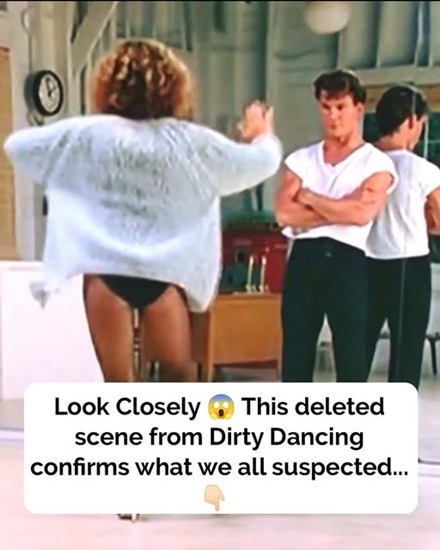
Few films from the 1980s have managed to maintain cultural relevance across multiple generations the way Dirty Dancing has. Released in 1987, the film became more than just a romantic drama—it evolved into a cultural landmark defined by music, movement, and emotional storytelling. Even decades later, audiences continue to revisit it, not only for nostalgia but because the emotional core of the story still feels fresh and relatable. At its foundation, the film is about transformation.
It follows Frances “Baby” Houseman as she experiences a summer that changes her understanding of identity, relationships, and independence. Alongside her is Johnny Castle, a dance instructor whose life circumstances contrast sharply with hers. Their connection becomes the emotional engine of the story, guiding the narrative through personal growth and self-discovery.
The Power of Performance: Patrick Swayze and Jennifer Grey
One of the defining elements of Dirty Dancing is the dynamic between Patrick Swayze and Jennifer Grey. Their performances as Johnny and Baby create a balance of tension, vulnerability, and emotional development that feels natural on screen. Rather than relying solely on dialogue, much of their storytelling happens through movement, expression, and physical interaction.
Their chemistry is often described as layered rather than simple. It reflects moments of friction, understanding, and gradual trust-building. This complexity gives the film emotional depth and prevents it from becoming a straightforward romantic narrative. Instead, the relationship evolves in a way that feels gradual and believable.
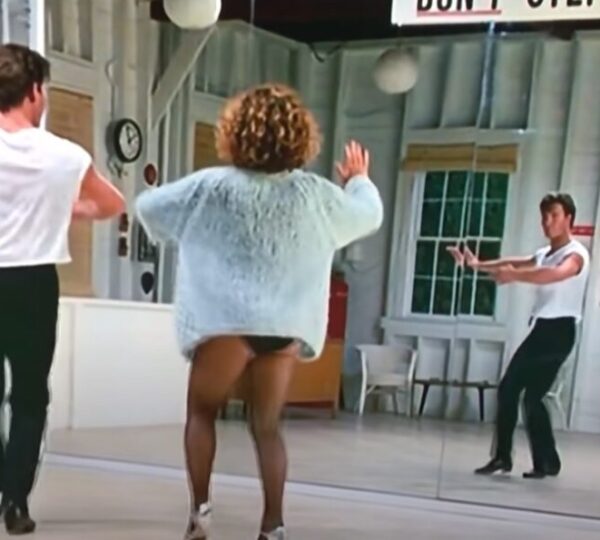
Behind the scenes, production accounts suggest that the actors had a professional but occasionally challenging working relationship. While this did not always translate into ease during filming, it may have contributed to the intensity seen on screen. The contrast between their personalities added a level of realism that strengthened their performances.
Storytelling Through Dance and Movement
Unlike traditional romantic dramas, Dirty Dancing uses choreography as a central storytelling device. Dance is not simply performance—it is communication. Each routine reflects emotional stages in the relationship between the two leads, from uncertainty to trust and ultimately connection.
Choreographer Kenny Ortega played a major role in shaping this narrative structure. His approach focused on ensuring that every movement served the story rather than existing only for visual appeal. This integration of emotion and choreography is one of the key reasons the film remains distinctive in cinematic history.
The dance sequences also highlight the importance of physical trust. As the characters learn to work together, their movements become more synchronized, reflecting their emotional alignment. This gradual development is a core part of the film’s storytelling strength.
Editing, Structure, and Removed Material
Like all feature films, Dirty Dancing went through an extensive editing process before reaching its final form. During this phase, certain scenes were shortened or removed to improve pacing and narrative flow. This is a standard part of filmmaking and is not unusual, especially for stories that rely heavily on rhythm and emotional timing.
Some removed moments reportedly included extended character interactions and additional dance rehearsals. However, these decisions were made to ensure that the final version remained focused on the central emotional arc. The goal of editing is not to remove value but to refine the story into its most effective form.
The result is a tightly structured film that prioritizes emotional progression over extended exposition. This structure helps maintain audience engagement while preserving the core themes of the narrative.
The Cultural Impact of Iconic Scenes
Over time, Dirty Dancing has become known for several iconic sequences, particularly its final dance lift. This moment has been widely referenced in popular culture and remains one of the most recognizable scenes in film history. Its impact comes not from complexity but from emotional resolution.
The effectiveness of these scenes lies in their simplicity and timing. Rather than relying on elaborate dialogue, they communicate meaning through movement and expression. This allows audiences to interpret the emotional weight in a personal way.
The film’s soundtrack also plays a major role in its cultural legacy. Songs used throughout the movie enhance emotional pacing and help define key moments in the story. Music and choreography work together to create a unified emotional experience.
Why the Film Still Connects With Modern Audiences
One of the most important reasons Dirty Dancing continues to resonate is its universal themes. The story explores identity, independence, social boundaries, and emotional growth. These themes remain relevant regardless of time period or audience background.
The characters’ journey is not limited to romance. It is also about finding voice, confidence, and direction in life. Baby’s transformation from a sheltered young woman into someone who understands her own agency is central to the narrative.
Johnny’s character also reflects themes of struggle and aspiration. His position in the resort environment highlights social differences, but his talent and determination define his identity. Together, their story becomes one of mutual growth rather than one-sided development.
The Role of Music in Emotional Storytelling
Music is a defining element of Dirty Dancing, shaping both mood and narrative structure. The soundtrack includes a mix of classic and contemporary tracks that reflect the emotional atmosphere of the film. Each song is carefully placed to enhance specific moments in the story.
Beyond entertainment, the music helps establish the time period and setting. It reinforces the summer resort environment and contributes to the film’s nostalgic tone. The combination of music and movement creates a sensory experience that strengthens emotional engagement.
The soundtrack’s lasting popularity also contributes to the film’s continued cultural relevance. Many audiences associate specific songs directly with scenes, reinforcing the connection between sound and memory.
The Legacy of Dirty Dancing in Film History
More than three decades after its release, Dirty Dancing remains a significant example of how emotional storytelling and choreography can be combined effectively in cinema. It continues to be studied, referenced, and adapted in various forms, including stage productions and cultural tributes.
The film’s legacy is built not only on nostalgia but also on its narrative structure and emotional authenticity. It demonstrates how character-driven storytelling can remain impactful across generations when supported by strong performances and cohesive direction.
Its continued popularity highlights the importance of emotional truth in filmmaking. Even as cinematic techniques evolve, the core human themes presented in the film remain unchanged and universally understood.
Final Reflection on Its Enduring Appeal
Ultimately, Dirty Dancing endures because it connects with audiences on a human level. It tells a story about growth, trust, and emotional discovery in a way that feels accessible and sincere. The combination of performance, choreography, and music creates a unified experience that transcends its original era.
Rather than relying on spectacle alone, the film focuses on emotional progression. This allows viewers to engage with the characters in a meaningful way, making the story memorable long after the credits roll.
Its lasting impact demonstrates that films built on emotional authenticity tend to age better than those focused purely on trends. Dirty Dancing remains a clear example of how storytelling, when done with balance and intention, can remain relevant for decades.

