
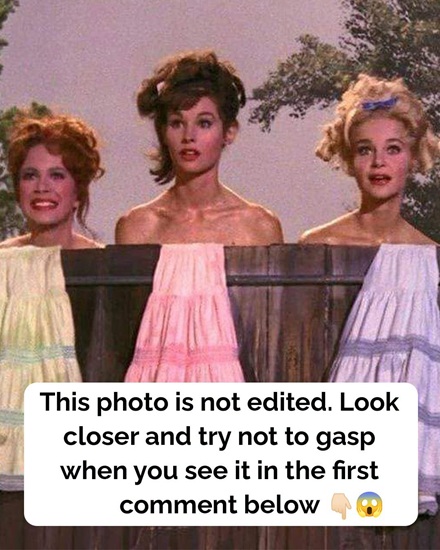
For generations of television viewers, Petticoat Junction has represented something more than an old-fashioned American sitcom. The series offered a warm, fictional escape into a slower rural world built around family, neighbors, everyday misunderstandings, and gentle comedy. Its setting at the Shady Rest Hotel, the memorable Hooterville Cannonball, and the Bradley family helped give the program an identity that remained recognizable long after its original CBS run ended.
For people who discovered the series during its original broadcast or through later reruns, even the familiar opening sequence can bring back memories of an earlier era of television. Yet the history behind the program is every bit as interesting as what audiences saw on screen. Created by Paul Henning, Petticoat Junction premiered on CBS on September 24, 1963. The series was connected to the same fictional television universe as The Beverly Hillbillies and later Green Acres, with Hooterville becoming one of television’s best-known imaginary communities.
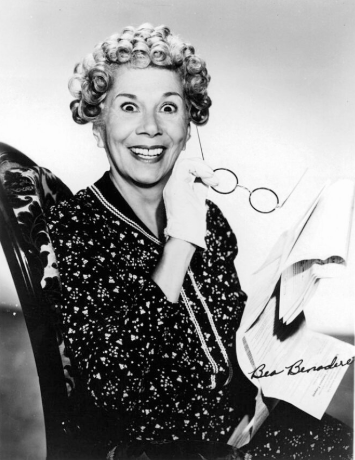
Instead of focusing on a large city or glamorous lifestyle, Petticoat Junction centered its stories on the rural Shady Rest Hotel. That simple setting gave the writers opportunities to tell stories involving family relationships, visitors, business problems, romances, community events, and the unusual personalities who populated the surrounding area. At the center of the early series was Kate Bradley, portrayed by veteran actress Bea Benaderet.
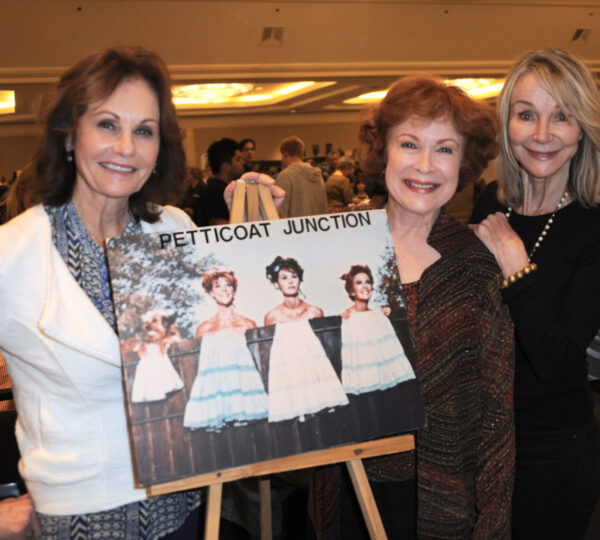
Kate was a widow raising three daughters while operating the Shady Rest Hotel, and she frequently served as the practical voice of reason when everyone around her became involved in another questionable idea. Living with the Bradleys was Kate’s Uncle Joe Carson, played by Edgar Buchanan. Uncle Joe regularly described himself as helpful while finding remarkably creative ways to avoid hard work. His schemes, exaggerated confidence, and relaxed approach to responsibility became some of the program’s most reliable sources of comedy.
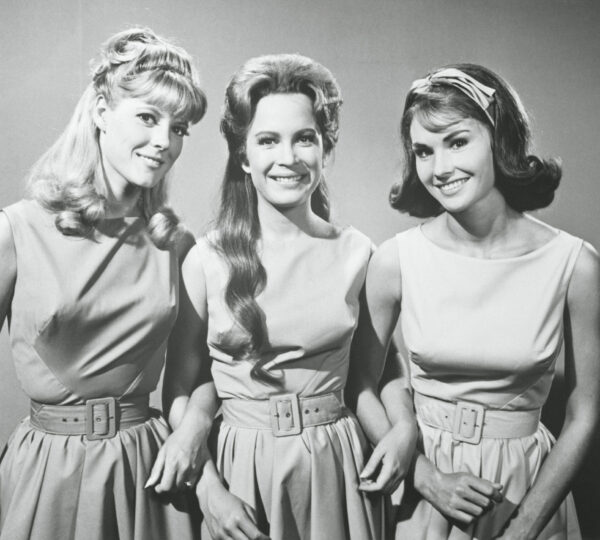
Kate’s three daughters were equally important to the identity of the series. Betty Jo Bradley, the redheaded youngest sister, was played throughout the program by Linda Kaye Henning. Bobbie Jo was originally portrayed by Pat Woodell before Lori Saunders assumed the role. Billie Jo changed performers several times: Jeannine Riley played her first, followed by Gunilla Hutton and eventually Meredith MacRae. Those casting changes could have disrupted another television series, but Petticoat Junction continued developing the sisters and gradually allowed their lives to change as the actresses and characters grew older.
The fictional Shady Rest was closely associated with another star of the program: the Hooterville Cannonball. The little train was presented as an essential connection between the hotel and the surrounding communities, and engineer Charley Pratt and conductor Floyd Smoot became familiar faces themselves. The Cannonball was more than transportation. It was part of the show’s personality, providing a visual symbol of the leisurely rural world that Petticoat Junction wanted audiences to enter every week. Its unconventional operations also provided writers with plenty of opportunities for jokes and unusual situations.
The title Petticoat Junction itself was tied to one of the show’s most memorable images. The Bradley sisters were associated with the railroad water tower near the hotel, where their petticoats could be seen hanging over the side during the famous opening. The sequence deliberately played with what viewers could and could not see, creating a mildly mischievous joke that was still acceptable for mainstream television of the early 1960s. The show’s theme song and opening imagery became so closely associated with the series that they remain among its most recognizable elements decades later.
There was, however, a geographical joke hidden inside the title. The location called Petticoat Junction was not presented as a conventional railroad junction where multiple major railway lines met. The Shady Rest was instead associated with a stop along the Cannonball’s route. Like many elements of the program, strict technical accuracy was less important than creating a memorable fictional environment. The name sounded charming, fit the railroad theme perfectly, and connected directly with the opening image of the Bradley sisters and their petticoats.
The opening credits also preserved an interesting reminder of one of the show’s casting changes. Meredith MacRae became Billie Jo in 1966, replacing Gunilla Hutton, but footage used in the opening sequence was not completely replaced. As a result, older footage associated with Hutton continued to appear after MacRae had already become the Billie Jo audiences were seeing in the episodes themselves. Modern viewers accustomed to television programs frequently updating their opening sequences may find this unusual, but recycling expensive footage was hardly unheard of during that period.
The presentation of the three sisters changed in other ways as well. During the early years, the Bradley daughters were commonly presented in the order Billie Jo, Bobbie Jo and Betty Jo. Later, the familiar ordering shifted, reflecting how the program itself was evolving. The sisters were also visually distinctive because of their contrasting hair colors, helping viewers immediately distinguish the blonde, brunette and redheaded Bradley daughters. It was an effective piece of television casting and visual design at a time when audiences were initially watching the program in black and white.
Finding the actresses to play the Bradley sisters was reportedly a major undertaking for creator Paul Henning and the production team. Numerous young actresses were considered during the casting process before the final choices were made. One of the women ultimately selected had an unusually close relationship with the show’s creator: Linda Kaye Henning was Paul Henning’s daughter. She nevertheless became an enduring part of the series in her own right, portraying Betty Jo throughout the show’s entire run and allowing viewers to watch the character mature considerably.
Betty Jo began as the tomboyish Bradley sister, but her life changed substantially as the series progressed. Eventually, she fell in love with Steve Elliott, portrayed by Mike Minor. Their relationship developed into marriage on the series, giving Petticoat Junction one of its most memorable romantic storylines. The connection between the performers did not remain fictional. Linda Kaye Henning and Mike Minor also became a couple away from the cameras and married in real life in 1968, several months after their characters’ television wedding.
Their real-life marriage gave fans an unusual example of fiction overlapping with reality. Henning reportedly used the same wedding gown for her real wedding that she had worn when Betty Jo married Steve on Petticoat Junction. Although the actors’ marriage eventually ended in divorce, the story remains one of the most frequently remembered behind-the-scenes connections involving the series. It also demonstrates how much the characters’ lives had developed from the show’s earliest episodes, when most stories revolved around Kate managing three unmarried daughters at the Shady Rest.
Another future Hollywood star was connected to the program before it premiered. Sharon Tate was considered during the development and casting period for the role of Billie Jo and participated in publicity work connected with the proposed series. The role ultimately went to Jeannine Riley when Petticoat Junction entered production. Over the years, various stories have circulated about exactly why Tate did not continue with the show, including claims involving her experience and concerns surrounding the wholesome image producers and sponsors wanted for the program.
Because some accounts about Tate’s departure have been repeated differently over the decades, it is important not to present every colorful explanation as established fact. What can safely be said is that Tate was associated with the project during its early development but did not become the Billie Jo seen in the completed series. Jeannine Riley originated the televised role, Gunilla Hutton later succeeded her, and Meredith MacRae eventually became the actress most closely associated with Billie Jo during the later seasons.
Continuity was never the primary attraction of Petticoat Junction, and the Hooterville Cannonball provides several amusing examples. Early descriptions emphasized how isolated the Shady Rest Hotel was and how important the train was for reaching it. As the series continued, however, characters sometimes seemed able to arrive or leave with considerably less difficulty than the original premise suggested. Like countless sitcoms before and after it, the program occasionally allowed storytelling convenience to take priority over the exact geography established in previous episodes.
That does not necessarily mean the writers simply forgot everything they had established. Weekly television production moved quickly, and sitcoms of the period were generally designed so audiences could enjoy individual episodes without maintaining a detailed map of every fictional location. If a character needed to appear at the Shady Rest to begin the week’s story, getting that person into the hotel mattered more than explaining every mile of the journey. For modern fans who watch many episodes consecutively, however, these small inconsistencies can be particularly entertaining to notice.
The Cannonball itself was created through a combination of real railroad equipment and production techniques. Railroad footage and equipment associated with the series became a significant part of its visual identity, while studio-created elements allowed scenes involving the characters to be filmed under controlled conditions. The result was convincing enough for the purposes of a weekly comedy. Audiences were not watching Petticoat Junction for a documentary-level recreation of railroad operations; the Cannonball existed primarily to support the fictional world of Hooterville.
Fans have also noticed that the locomotive’s identifying number changed. In the early black-and-white period, the Cannonball could be seen with the number 3. When Petticoat Junction moved into its color era, the locomotive associated with the series displayed the number 8. The change is much easier to notice today when episodes from different seasons can be compared immediately. During the original broadcast years, when viewers generally saw one new episode each week, such production details were far less likely to attract widespread attention.
Smoke from the Cannonball has inspired another long-running observation among railroad enthusiasts. The program sometimes visually suggested wood fuel, while the locomotive seen in footage could produce dark smoke more consistent with other fuel arrangements. The series itself was playful about the Cannonball’s unconventional operation and was never intended as a technical railroad program. Details like these have nevertheless become part of the fun for viewers who enjoy examining classic television frame by frame and comparing the fictional train with real railroad practices.
One performer managed something particularly remarkable amid all the casting changes. Edgar Buchanan appeared as Uncle Joe Carson throughout the entire run of Petticoat Junction. His durability made him one of the show’s defining personalities. Uncle Joe’s reputation was perfectly captured by the theme song’s description of him as being “a-movin’ kind of slow.” He was constantly proposing shortcuts, business ideas, or schemes that seemed likely to benefit Uncle Joe far more than anyone else, usually while Kate attempted to bring some practical sense back into the situation.
Buchanan’s performance prevented Uncle Joe from becoming simply irritating. Beneath the laziness and self-interest, the character remained part of the Bradley family and could show genuine affection when it mattered. That balance was important to the tone of the series. Petticoat Junction depended on conflict mild enough to resolve within a family-friendly comedy, and Uncle Joe could cause chaos without becoming truly threatening. Buchanan’s relaxed comic timing made that formula work repeatedly.
The show’s canine performer became nearly as memorable as many members of the human cast. Higgins, the trained dog associated with animal trainer Frank Inn, played the dog at the Shady Rest. Within much of the series, the animal was simply known as Dog rather than regularly being addressed by the performer’s real name. Higgins developed a particularly amusing screen relationship with Uncle Joe, and their interactions became another recurring element of the show’s comedy.
Higgins later achieved even greater fame outside Petticoat Junction. The dog became the original Benji in the 1974 feature film Benji, directed by Joe Camp. That role transformed Higgins from a familiar television animal into one of the best-known canine performers of the era. Edgar Buchanan also appeared in Benji, creating a charming connection between the movie and Petticoat Junction. For viewers familiar with both productions, seeing Higgins and Buchanan together again added another layer of nostalgia.
Not every chapter in the history of Petticoat Junction was lighthearted. The most difficult period involved Bea Benaderet, whose Kate Bradley had been the emotional center of the program from its beginning. Benaderet was already an accomplished radio and television performer before taking the role. Her career included extensive voice work and memorable television appearances, and Paul Henning had worked with her before Petticoat Junction. As Kate, she finally had a starring television role built around her considerable comedic and dramatic abilities.
Benaderet faced serious health problems while the series was still in production. She was diagnosed with lung cancer and underwent treatment, forcing her to miss episodes during the fifth season. The writers explained Kate’s absence without immediately removing the character from the series, leaving open the possibility that Benaderet could return. Other performers were introduced to provide an adult female presence at the Shady Rest while she recovered, allowing production to continue without pretending that Kate had never existed.
For a time, there was genuine reason for optimism. Benaderet returned to the program after treatment and appeared again as Kate. Her return was meaningful because both the character and actress were so closely connected with the identity of Petticoat Junction. Unfortunately, her improvement did not last. Her health deteriorated again, and she was eventually unable to continue working normally. The production had to adapt to circumstances that were far more serious than an ordinary casting change.
Her final involvement with the series came during the sixth season. Because of her condition, production techniques were used to accommodate what she was physically able to do. Benaderet died on October 13, 1968, at the age of 62. Her death represented a profound change for a television program that had been built around Kate Bradley’s family from its first episode. Rather than simply replacing Bea Benaderet with another actress playing Kate, the series moved forward without recasting the character.
An additional tragedy followed only days later. Benaderet’s husband, Eugene Twombly, died four days after her death following a heart attack. The closeness of the two deaths has remained one of the saddest biographical details connected with the actress. For fans who knew Benaderet primarily as the reassuring Kate Bradley, learning what she experienced during the final period of her life gives those later episodes an understandably different emotional significance.
After Benaderet’s death, Petticoat Junction needed a new way to maintain the family atmosphere that Kate had provided. June Lockhart joined the program as Dr. Janet Craig. Lockhart was already familiar to American television audiences, particularly from her work on Lassie and Lost in Space. Dr. Craig was not presented as a replacement Kate Bradley in name or personality, but the character supplied another mature and capable presence within the show’s changing ensemble.
By this point, the Bradley daughters themselves had also matured. Betty Jo’s marriage to Steve and the arrival of their child moved her character into adult family life, substantially altering the original mother-and-three-daughters premise. This evolution allowed Petticoat Junction to continue after losing Benaderet, but it also meant that the later seasons naturally felt different from the earliest episodes. Television series that remain on the air for many years frequently face this challenge as actors leave and younger characters grow older.
The program’s theme song deserves special mention because it helped establish the show’s personality before an episode’s story even began. Its lyrics invited viewers to leave behind the pressures of ordinary life and travel to the Junction, immediately framing Hooterville as a friendly escape. The phrase referring to “lots of curves” has often been understood as playful wordplay involving both the railway and the attractive Bradley sisters. It was mild innuendo by modern standards, but it gave the opening a mischievous quality beneath its wholesome presentation.
That combination was typical of Petticoat Junction. The show was designed for broad family audiences, but it was not entirely innocent or humorless. Romantic misunderstandings, attractive young characters, playful dialogue, and jokes aimed partly at adults existed alongside stories about community life and family responsibilities. The series generally handled those elements with the restraint expected of network television during the 1960s, which is one reason its humor feels noticeably different from that of many contemporary sitcoms.
The fictional community also benefited from its relationship with Paul Henning’s other television programs. Characters and locations from Petticoat Junction, The Beverly Hillbillies, and Green Acres could cross paths, creating what would now be described as a shared television universe. Hooterville was especially important to both Petticoat Junction and Green Acres. Those connections gave viewers the sense that the characters inhabited a larger comic world rather than completely isolated programs.
Behind all of the nostalgia was the commercial reality of network television. Ratings alone did not determine whether a program was valuable to broadcasters and advertisers. Sponsors cared about audience demographics because different groups were considered more desirable for particular products. During the later 1960s, this increasingly affected how networks evaluated programs whose total audiences might still be substantial but whose viewers were perceived as older, more rural, or otherwise less attractive to certain advertisers.
Accounts of Petticoat Junction’s sponsorship history illustrate how complicated those commercial relationships could become. Advertisers evaluated not merely how many people watched but also the ages and consumer characteristics of those viewers. Scheduling decisions could likewise affect which groups were likely to tune in. This broader shift in television economics would become increasingly important as CBS reconsidered many of the rural and traditional programs that had helped make the network successful during the 1960s.
Petticoat Junction ultimately completed seven seasons and 222 episodes before ending in 1970. Its cancellation is frequently discussed in connection with the broader programming transformation popularly called the “rural purge.” Around this period, CBS moved away from numerous programs associated with rural settings or audiences that network executives believed did not fit the demographic direction they wanted to pursue. The change affected several famous television properties and dramatically altered the network’s schedule.
The phrase “rural purge” can sometimes make the situation sound as though every rural show disappeared simultaneously for exactly the same reason. The actual history was more complicated. Individual programs had different ratings, production circumstances, costs, audience demographics, and creative situations. Nevertheless, there was clearly a larger industry movement toward programs thought to attract younger and more urban viewers, and rural-themed television became far less dominant on the major networks during the early 1970s.
Green Acres was among the best-known programs affected by that transition, while other long-running rural or small-town series also disappeared around the same period. Some shows remained popular enough that their cancellations surprised viewers. The decisions demonstrated an important lesson about commercial television: a loyal audience does not automatically guarantee survival. Networks are constantly deciding what kind of audience they want to attract and what type of programming they believe will remain commercially valuable in the years ahead.
For Petticoat Junction, however, cancellation did not erase the world the program had created. Syndicated reruns introduced the series to viewers who were too young to have watched its original CBS broadcasts. Home-video releases and classic-television channels later allowed additional generations to discover the Bradley family, Uncle Joe, the Shady Rest, and the Cannonball. What had originally been a weekly sitcom gradually became a piece of American television history.
Watching the series today also reveals how dramatically television production has changed. Modern viewers can instantly replay scenes, compare episodes from different seasons, research cast changes, and identify continuity errors that would have been difficult to notice during the original weekly broadcasts. A locomotive

