
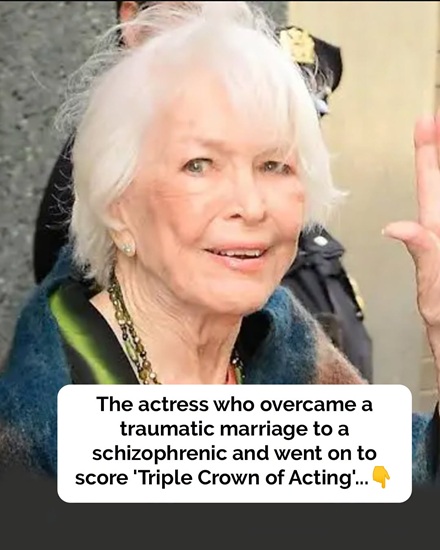
For more than six decades, Ellen Burstyn has been recognized as one of the most accomplished actresses in American cinema. Her remarkable career has included acclaimed performances on stage, television, and film, earning her some of the entertainment industry’s highest honors while establishing a reputation for portraying emotionally complex characters with extraordinary authenticity. Behind that success, however, lies a life marked by personal hardship, resilience, and determination.
Rather than allowing difficult experiences to define her future, Burstyn gradually transformed those challenges into a source of personal strength that shaped both her life and her work as an actress. Born Edna Rae Gillooly on December 7, 1932, in Detroit, Michigan, Ellen Burstyn spent much of her early childhood navigating circumstances she would later describe as emotionally difficult. After her parents divorced, she and her brothers were raised primarily by their mother and stepfather.
In interviews throughout her career, Burstyn has spoken openly about feeling isolated during her childhood and has recalled that she often struggled to find the emotional security many children experience. Looking back on those years, she described herself as feeling like an outsider, a perspective she later explored in both interviews and her autobiography.
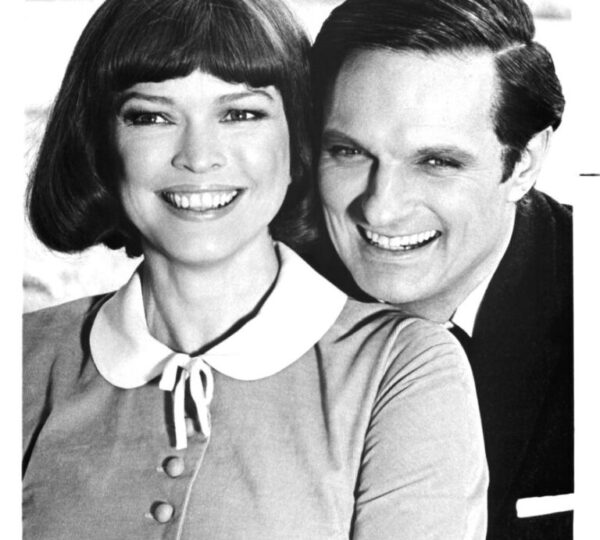
Despite these challenges, Burstyn became actively involved in school activities during her teenage years. She participated in drama productions, served as a cheerleader, and demonstrated leadership in several student organizations. While she initially appeared outgoing in school settings, she has explained that much of her confidence developed gradually over time rather than coming naturally. Eventually, she decided to leave high school before graduating, believing that she wanted to pursue a different path and build an independent life beyond her difficult home environment.
After leaving school, Burstyn supported herself through a variety of jobs, including modeling and performing as a dancer. During this period she used several professional names before eventually becoming known worldwide as Ellen Burstyn. In interviews, she has explained that she changed names multiple times during the early stages of her career while searching for opportunities in modeling, television, and theater. These years were marked by financial uncertainty and persistence as she worked to establish herself in the highly competitive entertainment industry.
Burstyn has also spoken candidly about the financial hardships she experienced as a young adult. In interviews, she recalled periods when money was extremely limited and described how everyday necessities often depended on opportunities that arose through social relationships. Reflecting on those years decades later, she emphasized how much those experiences shaped her understanding of independence, resilience, and personal growth. Rather than presenting those memories dramatically, she has generally shared them as honest reflections on the realities many young people face while trying to build a career.
Another deeply personal experience Burstyn has publicly discussed involves reconnecting with her biological father after many years apart. In interviews, she has explained that she hoped to establish a meaningful father-daughter relationship but found that the reunion did not unfold as she had expected. She has spoken openly about the disappointment that followed, describing it as another emotionally significant chapter in her early life. These experiences contributed to her broader reflections on identity, family, and personal healing, themes that later appeared throughout her autobiography “Lessons in Becoming Myself.”
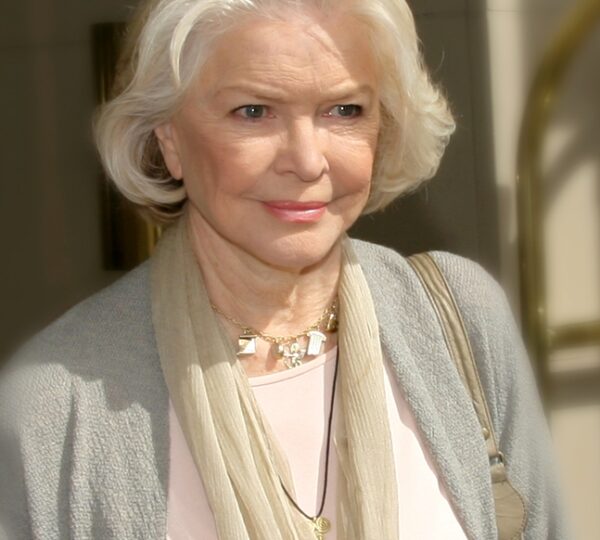
Her acting career gradually began gaining momentum through theater before expanding into television and film. During the 1950s and 1960s she accepted numerous small roles while continuing to refine her craft. Although commercial success did not arrive immediately, fellow actors and directors increasingly recognized her commitment to character development and emotional authenticity. Her breakthrough eventually came with the 1970 film “Tropic of Cancer,” followed by director Paul Mazursky’s “Alex in Wonderland,” opportunities that introduced her to larger audiences and opened the door to more significant dramatic roles.
A major turning point arrived with “The Last Picture Show” (1971), where Burstyn delivered a powerful supporting performance that earned her an Academy Award nomination. The critically acclaimed film received widespread recognition and established her among Hollywood’s leading dramatic actresses. Determined to continue challenging herself artistically, she accepted increasingly demanding roles that explored complex emotional experiences rather than relying on conventional leading-lady stereotypes. Her commitment to meaningful storytelling quickly became one of the defining characteristics of her career.
One of her most memorable performances came in “The Exorcist” (1973), where she portrayed Chris MacNeil, a mother desperately trying to help her daughter during terrifying and seemingly unexplainable events. The film became one of the most influential horror movies ever produced, but its demanding production also presented significant physical challenges. During the filming of one scene, Burstyn suffered a serious back injury after a stunt harness pulled her more forcefully than intended. The genuine cry of pain captured during filming was ultimately included in the finished movie, and she has spoken in later interviews about the lasting effects of that injury. Despite the physical difficulty, her emotionally powerful performance earned another Academy Award nomination and remains one of the defining roles of her career.
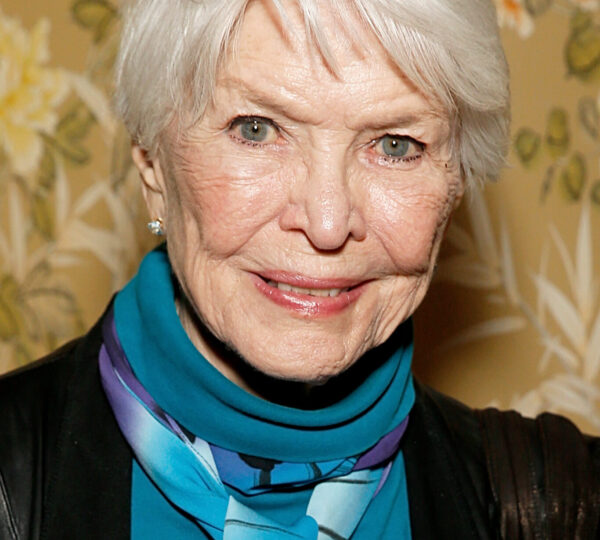
Only a year later, Burstyn achieved one of the greatest milestones of her professional life through Martin Scorsese’s “Alice Doesn’t Live Here Anymore” (1974). Playing Alice Hyatt, a recently widowed woman determined to rebuild her life while raising her young son, Burstyn delivered a nuanced and deeply human performance that earned her the Academy Award for Best Actress. Critics praised the realism she brought to the role, highlighting her ability to portray vulnerability, determination, humor, and hope simultaneously. The film became one of the defining works of 1970s American cinema and firmly established Ellen Burstyn as one of the most respected actresses of her generation.
Throughout these years, Burstyn also developed a reputation for approaching every role with careful preparation rather than relying on appearance or celebrity status. In later interviews she explained that she deliberately focused on strengthening her acting skills because she believed physical beauty alone could never sustain a long career. That philosophy would prove remarkably accurate. Decades later, she remains widely respected not only for individual performances but also for her consistent dedication to artistic excellence, thoughtful storytelling, and the emotional honesty that has characterized her work throughout an extraordinary career.
While Ellen Burstyn’s professional accomplishments earned worldwide recognition, her personal life was often far more difficult than audiences realized. Over the years, she has openly discussed several painful experiences in interviews and in her autobiography, “Lessons in Becoming Myself.” Rather than presenting these events for dramatic effect, Burstyn has described them as important chapters in a lifelong journey of healing and self-understanding. By sharing her experiences in her own words, she has encouraged thoughtful conversations about resilience, recovery, and the importance of seeking support during life’s most challenging moments.
Among the most personal subjects Burstyn has spoken about is an illegal abortion she underwent as a teenager during a period when safe and legal medical options were not widely available in the United States. In later interviews, she reflected on that experience with honesty, describing it as one of the most painful moments of her life. She explained that the procedure resulted in serious medical complications that affected her ability to become pregnant in the future. These reflections have consistently been presented by Burstyn as deeply personal experiences rather than commentary on broader public debates, emphasizing the emotional and physical impact the event had on her own life.
Burstyn has also written openly about the difficulties she experienced in several marriages. She has described relationships that included emotional hardship and, in one case, serious abuse. In her autobiography, she recounted that her third husband, actor Neil Burstyn, experienced schizophrenia, a complex mental health condition that profoundly affected both of their lives. It is important to note that schizophrenia is a medical illness that varies significantly from person to person, and the experiences Burstyn described relate specifically to her own circumstances rather than to everyone living with the condition. Mental health experts consistently emphasize that most individuals with schizophrenia are not violent and should not be stereotyped based on isolated personal stories.
Following the end of their marriage, Burstyn has said that she experienced years of unwanted contact from her former husband and, in later interviews, spoke publicly about incidents of abuse that occurred during their relationship. She also reflected on the limited legal protections that existed at the time, explaining that some forms of domestic violence and sexual assault within marriage were not recognized under the law in the same way they are today. By discussing these experiences years later, Burstyn contributed to broader awareness of issues surrounding domestic abuse while carefully distinguishing her own experiences from the experiences of others.
Despite enduring significant personal challenges, Burstyn gradually found stability through personal reflection, therapy, meditation, and continued dedication to her work. In numerous interviews, she has spoken about the importance of emotional growth and lifelong learning. Rather than allowing painful experiences to define her identity, she focused on developing resilience and building a life guided by compassion, curiosity, and self-awareness. These themes became central not only to her personal philosophy but also to the thoughtful, emotionally nuanced performances audiences have admired throughout her career.
Professionally, Burstyn continued expanding an already remarkable body of work across film, television, and theater. In later decades she appeared in acclaimed productions including “Resurrection,” “Requiem for a Dream,” “Big Love,” “Political Animals,” and “The Handmaid’s Tale.” Her unforgettable performance as Sara Goldfarb in “Requiem for a Dream” received widespread critical acclaim and earned another Academy Award nomination. Many film critics continue to regard the role as one of the finest performances of the early twenty-first century because of the extraordinary emotional depth and realism she brought to the character.
Burstyn also achieved one of the entertainment industry’s rarest distinctions by becoming a recipient of the Triple Crown of Acting, an honor recognizing performers who have won a competitive Academy Award, Tony Award, and Emmy Award. Only a small number of actors have accomplished this achievement, reflecting excellence across film, theater, and television. Her career demonstrates remarkable consistency over multiple generations, with critically acclaimed performances spanning more than sixty years and numerous artistic styles.
Even well into her nineties, Burstyn has remained professionally active, continuing to accept carefully selected acting roles while expressing gratitude for the opportunities she has received throughout her career. In interviews, she has occasionally joked that she feels fortunate not to have experienced the level of age discrimination often discussed within Hollywood. Her continued enthusiasm for acting reflects a lifelong passion for storytelling rather than a desire for celebrity. She has frequently explained that meaningful roles and strong scripts remain her primary motivation for continuing to work.
Outside of acting, Burstyn has devoted considerable time to personal growth and spiritual exploration. She has spoken publicly about meditation, self-reflection, and maintaining a positive outlook on life. According to interviews, she currently lives in New York City, where she enjoys walking through Central Park, describing it as an important source of peace and inspiration. She has also mentioned that maintaining a healthy lifestyle and appreciating each new day have become increasingly important as she has grown older. These habits, combined with her enduring curiosity and love of learning, continue to shape her daily life.
Looking back across her extraordinary career, Ellen Burstyn has often expressed particular admiration for the creative environment of the 1970s, a period she believes offered filmmakers greater artistic freedom and encouraged more character-driven storytelling. Regardless of changing trends within the entertainment industry, her own work has consistently reflected those values through carefully chosen roles that emphasize emotional truth, complexity, and authenticity. Audiences continue to revisit her performances because they reveal universal aspects of the human experience with honesty and compassion rather than relying on spectacle alone.
Today, Ellen Burstyn remains widely recognized as one of the finest actresses of her generation. Her legacy extends beyond awards and memorable performances to include her openness about personal adversity, emotional healing, and lifelong artistic dedication. Through both her work and her own reflections, she has demonstrated that resilience can emerge from even the most difficult circumstances. Her remarkable career stands as a testament to perseverance, continuous growth, and the enduring power of thoughtful storytelling, ensuring that her contributions to film, television, and theater will continue inspiring audiences for many years to come.

