
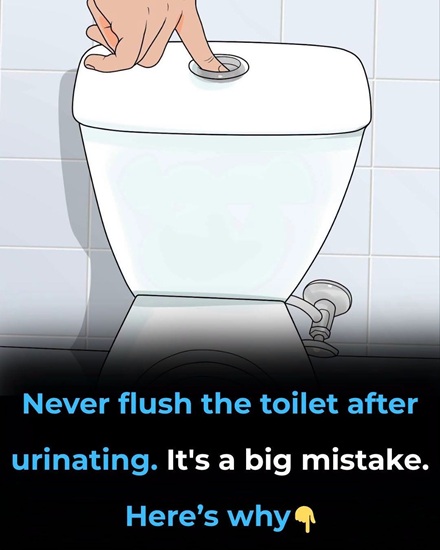
For many people, flushing the toilet is such an ordinary part of daily life that it rarely attracts any attention. The action takes only a few seconds, and once the water disappears down the drain, most of us immediately move on with our day. Yet behind this routine habit lies an important environmental question that has become increasingly relevant as communities around the world work to manage water resources more responsibly.
Although a single flush may seem insignificant, the combined impact of millions of households flushing multiple times every day represents a considerable amount of treated freshwater being used for sanitation. Modern sanitation systems are among the greatest public health achievements in history. Reliable toilets and wastewater treatment have dramatically reduced the spread of disease while improving hygiene and quality of life for billions of people.
At the same time, these systems depend on clean, treated water that has already undergone extensive processing before reaching homes. Producing safe drinking water requires energy, infrastructure, treatment facilities, maintenance, and continuous monitoring. Every liter delivered to households represents both a valuable natural resource and a significant public investment before it ever reaches the tap.
The amount of water used during a flush varies considerably depending on the age and design of the toilet. Older toilets manufactured decades ago often use substantially more water than today’s high-efficiency models. In many countries, modern toilets are designed to use approximately 4.8 to 6 liters per full flush, while some older units may use considerably larger volumes. Because homes differ widely in plumbing systems, there is no single number that applies universally. Nevertheless, environmental experts generally agree that upgrading inefficient fixtures can reduce household water consumption over time without compromising sanitation.
When considering daily habits, the numbers begin to accumulate surprisingly quickly. A household with several occupants may flush dozens of times each day depending on family size, work schedules, guests, and lifestyle. Even modest reductions in water use during each flush can add up over the course of months and years. Water conservation specialists often emphasize that environmental progress is rarely achieved through one dramatic change. Instead, it results from many small decisions that collectively reduce unnecessary consumption while maintaining health and comfort.
Freshwater is a renewable resource, but it is not unlimited. Population growth, urban development, changing weather patterns, and periods of drought have increased pressure on water supplies in many regions of the world. According to international organizations, billions of people experience water scarcity for at least part of the year, while many communities continue facing challenges in accessing safe drinking water and adequate sanitation. These global realities have encouraged governments, engineers, researchers, and households alike to explore practical ways of using water more efficiently without sacrificing public health standards.
One idea that periodically attracts public attention is the phrase “If it’s yellow, let it mellow. If it’s brown, flush it down.” The expression encourages reducing the number of flushes after urination in certain private household situations as a way to conserve water. While some individuals choose this approach, public health guidance generally emphasizes that its suitability depends on several factors, including household circumstances, cleanliness, odor management, local regulations, and the preferences of everyone sharing the bathroom. It is therefore best understood as one possible conservation practice rather than a universal recommendation.
People considering this approach should also recognize that maintaining proper hygiene remains essential. Bathrooms should be cleaned regularly regardless of flushing habits, and good ventilation can help reduce odors. In households where multiple people share facilities, where someone has a urinary tract infection, or where hygiene concerns exist, more frequent flushing may remain the most appropriate choice. Environmental responsibility and personal cleanliness are not competing goals; both can be achieved through thoughtful habits that balance conservation with sanitation.
For households looking for alternatives that require fewer lifestyle adjustments, upgrading to modern plumbing fixtures often provides one of the most effective long-term solutions. High-efficiency toilets and dual-flush systems allow users to select different water volumes depending on the type of waste being flushed. These designs have become increasingly common because they reduce water consumption while continuing to meet modern sanitation standards. In many cases, replacing an older toilet can save thousands of liters of water annually without requiring any change in daily routines.
Water conservation also extends far beyond the bathroom. Repairing leaking faucets, fixing running toilets, installing water-efficient showerheads, turning off taps while brushing teeth, using washing machines only with full loads, and choosing drought-tolerant landscaping where appropriate can all contribute to lower household water use. Environmental experts frequently note that combining several modest conservation measures generally produces greater results than relying on a single habit alone. These practical adjustments can reduce both water consumption and utility costs while supporting responsible resource management.
Ultimately, water conservation is less about eliminating comfort than about making informed choices. Every household has different needs, and the most suitable conservation strategies will vary depending on local water availability, family size, plumbing systems, and personal preferences. By understanding how everyday actions influence overall water use, people can make decisions that support both environmental sustainability and public health. Even relatively small adjustments, when adopted consistently by many households over time, can contribute meaningfully to protecting one of the world’s most valuable natural resources.
While discussions about water conservation often focus on large infrastructure projects or government policies, environmental researchers frequently point out that individual household habits also play a meaningful role. Everyday decisions may appear insignificant on their own, but when adopted by many people over long periods, they can contribute to reducing unnecessary water consumption. The goal is not to eliminate comfort or compromise hygiene, but to encourage thoughtful use of a resource that requires considerable effort, energy, and investment to collect, treat, and deliver safely to homes.
One of the most effective long-term improvements many homeowners can consider is upgrading older plumbing fixtures. Modern high-efficiency toilets are designed to perform effectively while using significantly less water than many older models. Dual-flush systems, in particular, allow users to select a smaller flush for liquid waste and a larger flush when necessary. This simple engineering improvement helps reduce overall water use without requiring major lifestyle changes, making it one of the most practical conservation measures available in many households.
Regular maintenance is equally important. A toilet that continues running after each flush or has a slow leak inside the tank can waste a surprising amount of water over time without attracting immediate attention. Because these leaks are often silent, homeowners may not realize additional water is being used until utility bills increase. Periodically checking toilets, faucets, outdoor taps, and irrigation systems for leaks can prevent unnecessary water loss while helping maintain efficient plumbing throughout the home.
Bathrooms are only one part of the household where conservation efforts can make a difference. Water specialists often recommend taking shorter showers, installing water-efficient showerheads, and turning off the tap while brushing teeth or shaving whenever practical. Kitchen habits also matter. Running dishwashers only with full loads, washing fruits and vegetables in a bowl rather than under continuously running water, and collecting excess water for household plants are simple examples of how routine activities can gradually reduce overall consumption without affecting daily comfort.
Outdoor water use deserves attention as well. In many regions, watering lawns and gardens accounts for a substantial share of household water consumption, particularly during warmer months. Landscaping with native or drought-tolerant plants, watering early in the morning or later in the evening to reduce evaporation, and using mulch to retain soil moisture are approaches frequently recommended by environmental organizations. These practices help maintain healthy gardens while reducing unnecessary water demand during periods of limited rainfall.
Technology has also expanded the number of tools available for improving water efficiency. Smart irrigation systems can automatically adjust watering schedules based on weather conditions, while modern appliances such as washing machines and dishwashers are increasingly designed to use less water and energy than previous generations. Although these upgrades may require an initial investment, many households find that reduced utility costs gradually offset the expense over time. At the same time, using fewer natural resources contributes to broader sustainability efforts.
Education remains one of the most valuable conservation tools. Children who learn responsible water habits at an early age often carry those practices into adulthood. Simple reminders such as closing the tap when it is not actively needed or reporting leaks promptly can help establish lifelong awareness of resource conservation. Schools, families, and community organizations frequently encourage these habits because they promote environmental responsibility without requiring complicated or expensive changes.
It is equally important to recognize that water conservation strategies are not identical everywhere. Climate, infrastructure, water availability, and local regulations differ from one region to another. What may be appropriate in one community may not be necessary or recommended elsewhere. For that reason, environmental experts generally encourage households to consider local guidance when making decisions about water use. Flexible, evidence-based approaches are often more effective than assuming one practice fits every situation.
The broader discussion surrounding toilet flushing and household water use ultimately reflects a larger principle: sustainability is often built through awareness rather than dramatic sacrifice. Whether someone chooses to install efficient fixtures, repair leaks promptly, reduce outdoor water use, or simply become more conscious of everyday habits, each decision contributes to more responsible resource management. Small improvements repeated consistently over months and years can collectively produce measurable environmental benefits.
As communities continue facing growing demands on freshwater resources, responsible water use will likely remain an important topic for households, engineers, environmental scientists, and policymakers alike. Modern sanitation should always be preserved because it plays a vital role in protecting public health, but thoughtful conservation can complement those systems by reducing unnecessary consumption wherever practical. By combining efficient technology, regular maintenance, and informed daily habits, households can support both environmental sustainability and reliable sanitation for future generations.

