
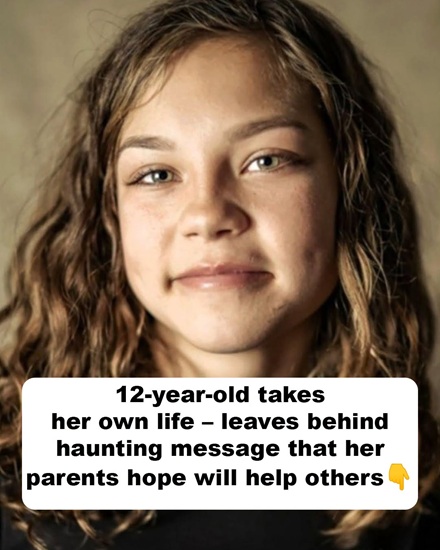
The family of Lindsey Mae Swan, a 12-year-old student from Huntsville, Alabama, has chosen to speak publicly following her death in February 2026 with one purpose in mind: encouraging parents, educators, classmates, and communities to recognize signs that a young person may be struggling and to take those signs seriously. Rather than focusing only on their own grief, Lindsey’s family has said they hope that sharing her story may help prevent another family from experiencing a similar tragedy.
Their message has become part of a broader conversation about youth mental health, compassion, and the importance of speaking up when someone appears to need help. According to her family, Lindsey was known for her kind personality, determination, and willingness to support others. Affectionately called “Sweet Pea” and “Stitch” by those closest to her, she enjoyed spending time with friends, participating in school activities, and exploring many different interests.
She attended Mountain Gap Middle School, where she participated in choir, was involved with the Girls Engaged in Math and Science (GEMS) program, and rehearsed with a local children’s theater production of The Lion King. Family members also described her as someone who loved volleyball, gymnastics, dancing, hiking, animals, and spending time outdoors.
Her mother, Brittany Booth, has remembered Lindsey as a child who consistently stood up for others. According to public interviews, she was known for defending classmates, friends, and siblings when they felt unable to defend themselves. Family members said Lindsey displayed courage, curiosity, and persistence from an early age, often refusing to give up when faced with a difficult challenge. Those qualities helped shape the way she is remembered by relatives, teachers, and friends who knew her personally.

Although Lindsey’s family described many joyful aspects of her life, they also explained that she experienced significant emotional challenges. Her biological father, Joseph Laughery, died several years earlier, and her mother said that loss deeply affected Lindsey. In interviews, Brittany Booth explained that her daughter continued to carry that grief while also facing social difficulties during middle school. The family has spoken publicly about bullying as one of several challenges Lindsey experienced, emphasizing that unkind behavior can have serious consequences for young people who may already be coping with emotional pain.
Despite those hardships, Lindsey continued participating in school activities and remained an important source of comfort within her family. Her mother has described how Lindsey often noticed when others were struggling emotionally and tried to offer encouragement and support. These memories have become especially meaningful for her family as they reflect on the positive influence Lindsey had on the people around her. Friends and relatives have remembered her not only for her achievements but also for her compassion and willingness to care about others.
Following Lindsey’s death, her family encouraged parents and caregivers to pay attention to changes in children’s behavior, emotional well-being, or conversations that may suggest they are struggling. They have emphasized that warning signs should never be dismissed simply because someone appears happy or continues participating in everyday activities. Mental health professionals similarly explain that emotional distress is not always visible, reinforcing the importance of maintaining open, supportive communication with children and teenagers.
The family’s decision to share Lindsey’s story has contributed to wider discussions about youth mental health, grief, bullying, and the importance of supportive school and community environments. Mental health experts consistently encourage young people to seek help from trusted adults—including parents, teachers, school counselors, relatives, or healthcare professionals—whenever they are feeling overwhelmed or concerned about themselves or a friend. Early conversations and timely support can play an important role in helping young people receive appropriate care.
Lindsey’s story has also renewed attention to national statistics showing that mental health concerns among children and adolescents remain an important public health issue. Organizations that study youth mental health continue to emphasize the value of early intervention, access to qualified mental health services, supportive family relationships, and school environments where students feel safe discussing emotional challenges without fear of stigma. Public health experts note that increasing awareness, reducing stigma, and encouraging help-seeking behavior are important components of suicide prevention efforts.
While no single event can fully explain an individual’s mental health struggles, Lindsey’s family hopes that remembering her life will encourage greater compassion toward young people who may be facing difficulties that are not immediately visible. Their message centers on listening carefully, supporting one another, and recognizing that small acts of kindness and timely intervention may make a meaningful difference. By sharing Lindsey’s story, they hope to encourage communities to continue strengthening conversations about mental health and ensuring that children know they are not alone.
Following Lindsey Mae Swan’s death, her family said they wanted the public conversation to focus not only on their personal loss but also on the importance of recognizing emotional distress in children and teenagers. In interviews, they encouraged parents, educators, relatives, and community members to take concerns expressed by young people seriously and to create environments where children feel safe discussing difficult emotions. Mental health professionals similarly emphasize that supportive communication and early intervention can play an important role in helping young people receive appropriate care.
Experts note that emotional struggles in children and adolescents are not always easy to recognize. Some young people openly discuss their feelings, while others may continue participating in school, sports, hobbies, or social activities even as they experience significant emotional challenges. Because every individual is different, professionals recommend paying attention to noticeable changes in mood, behavior, sleep patterns, school performance, or social interactions rather than relying on a single warning sign. Families are encouraged to seek professional guidance whenever they have concerns about a child’s well-being.
The family has also spoken publicly about the importance of addressing bullying with compassion and seriousness. Educators and child development specialists consistently explain that respectful school environments, clear reporting procedures, and supportive relationships between students and trusted adults can help reduce the harmful effects of bullying. Although bullying alone does not explain every mental health crisis, experts agree that creating safe and inclusive learning environments benefits the emotional well-being of all students.
Lindsey’s story has contributed to broader discussions about youth mental health across schools, families, and community organizations. Public health experts continue to encourage open conversations about emotional well-being, explaining that asking a young person how they are feeling or encouraging them to speak with a trusted adult does not create mental health problems. Instead, compassionate conversations can help children feel heard and supported while allowing adults to recognize when additional professional assistance may be appropriate.
Research published by national mental health organizations indicates that many adolescents experience anxiety, depression, grief, or other emotional challenges during their teenage years. For that reason, healthcare professionals recommend that parents maintain regular communication with their children, encourage healthy coping strategies, and seek qualified medical or psychological support whenever concerns arise. Early access to appropriate care may improve outcomes for many young people experiencing emotional distress.
Teachers, school counselors, coaches, relatives, and friends also play meaningful roles in supporting children’s mental health. Many young people develop trusting relationships with adults outside their immediate family and may feel more comfortable discussing certain concerns in those settings. Mental health organizations encourage adults who notice significant changes in a child’s behavior or emotional state to respond with empathy, listen carefully, and involve appropriate caregivers or professionals when necessary.
In sharing Lindsey’s story, her family has consistently focused on encouraging awareness rather than assigning blame. Their public statements reflect the hope that increased understanding of youth mental health will encourage more families, schools, and communities to work together in supporting children during difficult periods of their lives. This message aligns with recommendations from many mental health organizations, which emphasize collaboration among parents, educators, healthcare providers, and community members.
Lindsey is remembered by those who knew her as a caring student who enjoyed music, theater, athletics, science, and spending time with family and friends. Her relatives have spoken warmly about her compassion, determination, and willingness to help others. Those memories remain central to the way they hope she will be remembered—not only for the tragedy of her death, but for the kindness, curiosity, and generosity that characterized her life.
Although no family wishes to experience such a loss, Lindsey’s loved ones have expressed hope that sharing her story may encourage greater awareness of children’s emotional well-being and inspire more conversations about seeking help when it is needed. Their message highlights the importance of listening carefully, responding with compassion, and ensuring that young people know they have trusted adults who will support them through difficult moments. Public health experts continue to stress that building supportive relationships and improving access to mental health resources remain important parts of protecting children’s well-being.

