

Few child actors experienced the extraordinary rise to fame that Corey Haim enjoyed during the 1980s. With his natural charisma, youthful charm, and undeniable screen presence, Haim quickly became one of the most recognizable teenage actors of his generation. Magazine covers, television interviews, and fan clubs celebrated him as one of Hollywood’s brightest young stars. Yet behind the excitement surrounding his success was a far more complicated story—one involving enormous professional pressure, personal struggles, addiction, financial hardship, and a lifelong effort to regain stability.
Decades later, his life continues to be remembered not only for the films that made him famous but also for the important conversations his experiences have inspired about the challenges faced by young performers. Corey Ian Haim was born on December 23, 1971, in Toronto, Ontario, Canada. He was raised in a Jewish family by his parents, Judy Haim and Bernie Haim.
According to interviews given by his family, Corey was naturally shy as a young child, and his parents encouraged him to explore acting classes partly as a way to build self-confidence. What initially began as an extracurricular activity soon revealed an unexpected talent. Casting directors quickly noticed his ability to perform naturally in front of the camera, leading to appearances in television commercials and eventually opening the door to larger acting opportunities.
By the early 1980s, Haim had begun building an impressive résumé in Canadian television. One of his earliest significant roles came in the family adventure series The Edison Twins, where he gained valuable experience working on a professional television production. During these formative years, he learned the demanding routines of filming while balancing childhood responsibilities. Around the same period, his parents divorced, an event that represented a significant personal change during an already busy stage of his young career. Although he continued acting successfully, the family transition remained an important part of his early life.

A major turning point arrived in 1984 when Corey appeared in the feature film Firstborn, starring alongside established actors including Peter Weller, Teri Garr, Robert Downey Sr., and a young Robert Downey Jr. Haim portrayed Brian Livingston, a performance that attracted widespread critical praise. Influential film critic Roger Ebert highlighted the maturity and emotional depth of Haim’s acting, predicting that he possessed the talent necessary for a long and successful career. Such recognition was unusual for an actor still in his early teens and demonstrated the remarkable promise many critics believed he possessed.
Following the success of Firstborn, Haim continued securing prominent film roles. He appeared in productions such as Silver Bullet (1985), based on Stephen King’s novella Cycle of the Werewolf, and Murphy’s Romance alongside Sally Field and James Garner. Each new project expanded his reputation as one of Hollywood’s most talented young performers. Directors frequently praised his professionalism and ability to convey genuine emotion on screen, qualities that distinguished him from many other child actors working during the same period.
Another important milestone came with the 1986 coming-of-age film Lucas, in which Haim played the title character. The movie explored themes of adolescence, friendship, rejection, and first love with unusual sensitivity for a teenage drama. Haim’s heartfelt performance earned further critical acclaim and reinforced his growing reputation as an actor capable of handling emotionally demanding material. Even years later, Lucas remained one of the performances most frequently cited by critics when discussing the breadth of his acting ability.
In 1987, Corey Haim achieved worldwide fame after starring as Sam Emerson in The Lost Boys, directed by Joel Schumacher. The supernatural horror-comedy combined vampires, teenage adventure, humor, and stylish visual storytelling, quickly becoming one of the defining films of the decade. Haim starred alongside Jason Patric, Kiefer Sutherland, Jami Gertz, Dianne Wiest, and another rising young actor, Corey Feldman. The chemistry between Haim and Feldman proved especially popular with audiences, leading journalists to nickname them “The Two Coreys.” Their friendship became one of the most recognizable partnerships in late-1980s Hollywood.
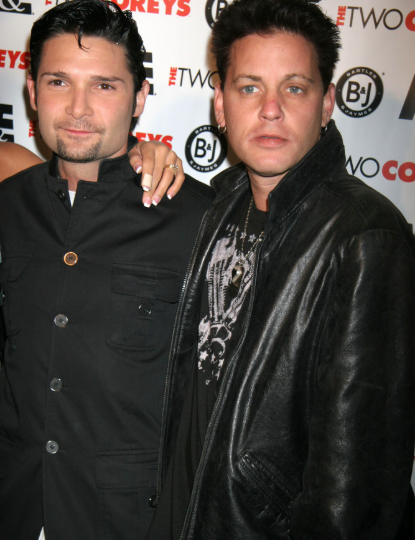
The enormous popularity of The Lost Boys transformed Haim into a global teen idol almost overnight. Fan clubs expanded internationally, entertainment magazines regularly featured him on their covers, and thousands of letters reportedly arrived from admirers around the world. Public appearances often attracted large crowds eager to meet the young actor. While this level of fame created exciting professional opportunities, it also exposed Haim to extraordinary public attention at an age when many young people are still developing emotionally and personally.
During the following years, Haim continued starring in successful youth-oriented films including License to Drive (1988), Dream a Little Dream (1989), and several collaborations with Corey Feldman. These productions became staples of home video collections throughout the late 1980s and early 1990s, helping solidify Haim’s place in popular culture. For many fans, his performances captured the humor, energy, and optimism associated with that era of teen cinema. His natural charm, expressive acting style, and relatable characters contributed significantly to his widespread popularity.
Despite his remarkable professional achievements, the rapid pace of fame also brought significant personal challenges. Like many child actors working in Hollywood, Corey experienced intense public scrutiny, demanding filming schedules, and the pressures associated with celebrity at an unusually young age. Public interviews from the period occasionally reflected the confidence—and at times the immaturity—that often accompanies sudden fame during adolescence. Looking back, many commentators have observed that young performers frequently navigate adult environments long before developing the emotional tools needed to manage such extraordinary circumstances.
As his popularity continued to grow, Corey Haim appeared to have every opportunity for a long-lasting Hollywood career. Few observers could have predicted that the promising actor praised by critics, adored by fans, and viewed as one of the industry’s brightest young talents would later face personal struggles that profoundly affected both his health and his professional life. Those challenges would eventually become an equally significant part of his story, highlighting the often unseen pressures experienced by many young performers working in the entertainment industry.
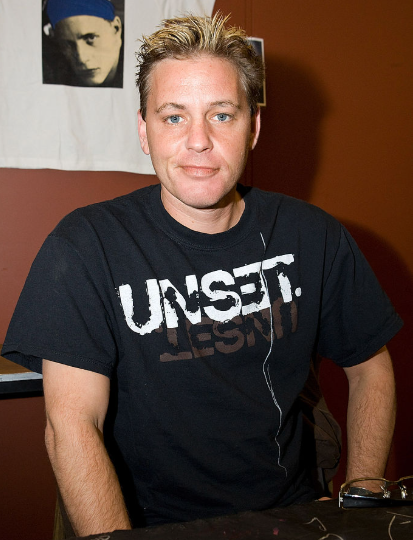
As Corey Haim entered adulthood, the pressures that often accompany early fame became increasingly difficult to manage. Friends, colleagues, and family members later described how the demands of celebrity, combined with personal challenges, affected nearly every aspect of his life. Like many former child actors, Haim faced the difficult transition from being a successful teenage star to finding meaningful roles as an adult. At the same time, he was coping with addiction, health concerns, and financial problems that gradually became more visible to the public.
According to interviews Haim gave during his lifetime, his struggles with substance use began while he was still a teenager. Over the years, he openly acknowledged periods of alcohol use, illegal drug use, and dependence on prescription medications. He also spoke candidly about entering rehabilitation programs on multiple occasions and described himself as someone who experienced repeated relapses. Medical professionals frequently note that addiction is a complex health condition, and Haim’s public comments reflected the difficulties many people encounter during long-term recovery.
As his personal struggles intensified, they also affected his acting career. Opportunities that had once been plentiful became less frequent, and some productions experienced delays or complications related to his health. Although he continued accepting independent films and television appearances, the consistent stream of major studio projects that had defined his teenage years gradually diminished. Industry observers often pointed to the combination of changing audience tastes and Haim’s personal difficulties as contributing factors behind this professional decline.
Financial hardship became another significant challenge. Public bankruptcy filings from the late 1990s documented the difficult financial position he found himself in despite having once earned substantial income as a successful actor. Media reports described how medical expenses, reduced acting opportunities, and years of instability placed considerable pressure on his finances. These developments illustrated how rapidly circumstances can change within the entertainment industry, particularly for performers whose careers begin at an early age.
Despite these setbacks, Corey Haim repeatedly expressed a desire to rebuild both his personal life and his acting career. He participated in interviews discussing recovery, accepted new acting projects when opportunities arose, and publicly stated that he hoped to demonstrate to producers and audiences that he remained committed to his profession. Those close to him often described periods during which he appeared optimistic about returning to more consistent work, even though maintaining long-term stability remained an ongoing challenge.
In 2007, audiences saw Haim reunite with longtime friend Corey Feldman in the reality television series The Two Coreys. The program documented both their friendship and the different directions their lives had taken since becoming teenage stars during the 1980s. While the series introduced a new generation to the pair, it also revealed many of the personal struggles Haim continued to face. Viewers witnessed moments of optimism alongside the ongoing difficulties associated with addiction and recovery, making the program both nostalgic and emotionally difficult for many fans.
Following the cancellation of the series, Haim continued expressing hope that he could revive his acting career. Public reports noted that he actively sought auditions and attempted to reconnect with filmmakers. Those efforts reflected his enduring passion for acting, a profession he had entered as a young child and continued to value throughout his life. Although his career never returned to the extraordinary level of success he experienced during the late 1980s, he remained interested in performing until the end of his life.
On March 10, 2010, Corey Haim died at the age of 38. His death initially generated widespread speculation because prescription medications were discovered in his home. However, following an official investigation, the Los Angeles County Department of Medical Examiner determined that the primary cause of death was pneumonia, with diffuse alveolar damage. The medical examiner classified the death as resulting from natural causes. Although prescription medications were present, the official findings did not conclude that an overdose caused his death. These conclusions remain the official medical determination regarding his passing.
News of Haim’s death prompted tributes from colleagues, filmmakers, and countless fans who had grown up watching his films. Many remembered not only his performances in classics such as The Lost Boys, Lucas, and License to Drive, but also the warmth and charisma he displayed during interviews and public appearances. Fellow actors spoke about his talent and reflected on the challenges he had faced throughout his life, expressing sadness that someone with such promise had experienced so many personal hardships.
Years after Haim’s death, renewed public attention focused on allegations concerning abuse within parts of the entertainment industry during the 1980s. Corey Feldman publicly alleged that both he and Haim had experienced sexual abuse while working as child actors. Feldman later explored these allegations in his documentary My Truth: The Rape of Two Coreys. Within the documentary, Feldman presented claims regarding several individuals, including allegations involving actor Charlie Sheen. Sheen has consistently denied those allegations through public statements made by his representatives, stating that the claims were false. Haim’s mother, Judy Haim, also publicly disagreed with portions of Feldman’s broader account while confirming that her son had previously disclosed a separate incident of sexual abuse by another individual. These differing public statements illustrate that aspects of the matter remain disputed, and they should not be interpreted as established facts beyond what has been officially documented.
Today, Corey Haim’s legacy is remembered through both his artistic achievements and the broader conversations his life has inspired. His films continue to introduce new audiences to the talent that made him one of the most recognizable young actors of his generation, while his personal experiences have contributed to greater awareness of the challenges faced by child performers, the importance of mental health support, and the complexity of addiction recovery. His story serves as a reminder that public success does not always reflect private struggles and that compassion remains essential when discussing individuals who have faced significant personal difficulties.
More than three decades after his greatest successes, Corey Haim remains an important figure in the history of 1980s cinema. His performances continue to be appreciated by longtime fans and new viewers discovering his work for the first time. While his life included remarkable achievements as well as profound hardships, his contribution to film history endures through the memorable characters he brought to the screen and the lasting impact those performances continue to have on audiences around the world.

