
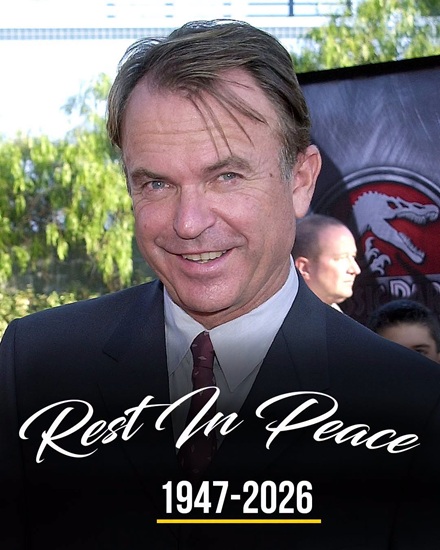
Sam Neill, the internationally acclaimed actor best known for portraying Dr. Alan Grant in the Jurassic Park film series, has died at the age of 78. His family confirmed that he passed away unexpectedly in Sydney, Australia, while surrounded by his loved ones. In a public statement, the family said his death was sudden and noted that he had remained cancer-free following treatment for a rare form of blood cancer. They also expressed their appreciation to the medical staff who cared for him and requested privacy as they mourned his loss.
The announcement prompted tributes from colleagues, filmmakers, and audiences around the world who had followed his remarkable career for more than five decades. For many admirers, the news came as a surprise because Neill had recently spoken publicly about his recovery from stage-three angioimmunoblastic T-cell lymphoma, a rare blood cancer. Earlier in 2026, he shared that medical scans showed no remaining signs of the disease after receiving CAR T-cell therapy, an advanced treatment used in certain blood cancers.
His openness about his diagnosis and recovery was widely praised, as he spoke candidly about both the physical and emotional challenges of treatment. Those updates gave many supporters hope that he would continue acting while also enjoying time with his family and personal interests. Born on September 14, 1947, in Omagh, Northern Ireland, Sam Neill moved with his family to New Zealand during childhood.
Although he would later become one of the country’s most internationally recognized actors, his path to success developed gradually through years of dedication to theater, television, and film. After studying at the University of Canterbury, he began working in New Zealand’s film industry before attracting attention through performances that showcased both dramatic depth and remarkable versatility. Directors quickly recognized his ability to portray thoughtful, complex, and believable characters across a wide variety of genres.
Neill’s international breakthrough came during the late 1970s and early 1980s as he accepted increasingly prominent roles in feature films. Throughout his career, he demonstrated unusual versatility, appearing in historical dramas, psychological thrillers, science fiction films, adventure stories, and television productions. Rather than becoming associated with only one style of acting, he built a reputation for adapting naturally to each project. Critics frequently praised his understated performances, noting that he often conveyed emotional complexity through subtle expressions and restrained dialogue rather than dramatic gestures.
Although his filmography included more than 150 screen credits, many audiences most closely associated him with Dr. Alan Grant, the paleontologist introduced in Steven Spielberg’s 1993 blockbuster Jurassic Park. Neill’s portrayal of the intelligent but reluctant dinosaur expert helped establish the film as one of the defining adventure movies of its generation. His performance balanced scientific curiosity, humor, caution, and determination, creating a character who remained memorable long after the film’s release. He later returned to the role in additional installments of the franchise, introducing Dr. Grant to new generations of moviegoers.
Beyond Jurassic Park, Neill built an impressive body of work that reflected his range as an actor. His performances in The Piano, Dead Calm, The Hunt for Red October, Event Horizon, My Brilliant Career, and Hunt for the Wilderpeople demonstrated his ability to move comfortably between independent cinema and major Hollywood productions. Whether portraying sympathetic protagonists or morally complex characters, he consistently earned praise from critics and fellow performers for his professionalism and thoughtful approach to acting.
Television audiences also became familiar with Neill through numerous acclaimed productions. Among his most recognized later roles was Inspector Chester Campbell in the historical crime drama Peaky Blinders. His portrayal of the determined law enforcement officer introduced him to another generation of viewers and highlighted his continued ability to deliver compelling performances decades after beginning his career. Throughout television and film alike, directors often described him as exceptionally prepared, collaborative, and dedicated to every role he accepted.
Away from film sets, Neill maintained a strong connection to New Zealand, where he enjoyed spending time at his vineyard, Two Paddocks, in Central Otago. He frequently shared moments from vineyard life, rural landscapes, and everyday experiences through interviews and social media, revealing a side of his personality that contrasted with many of the dramatic characters he portrayed on screen. Friends and colleagues often described him as warm, humorous, thoughtful, and approachable despite his international success, qualities that earned him respect throughout the entertainment industry.
In addition to acting, Neill became known for speaking openly about his health journey after revealing his blood cancer diagnosis in 2023. Rather than keeping his treatment private, he chose to discuss the realities of serious illness in interviews and in his memoir, encouraging honest conversations about medical treatment and resilience. His willingness to share personal experiences resonated with many readers and viewers who were facing similar health challenges themselves. Even while undergoing treatment, he continued working whenever possible and remained optimistic about future creative projects.
The announcement of Sam Neill’s death prompted tributes from fellow actors, directors, political leaders, and film organizations around the world. Many remembered not only his achievements on screen but also his generosity, intelligence, and distinctive sense of humor. His career, which spanned more than five decades, left a lasting influence on international cinema and television. Through memorable performances, dedication to his craft, and a lifelong commitment to storytelling, Sam Neill established a legacy that continues to be appreciated by audiences across generations.
Throughout his career, Sam Neill earned a reputation as one of the film industry’s most versatile performers. Rather than limiting himself to a single genre, he accepted roles across historical dramas, adventure films, science fiction, psychological thrillers, family productions, and television series. Directors frequently praised his ability to portray thoughtful, believable characters while adapting naturally to a wide variety of stories. His performances were often recognized for their subtlety and emotional depth, qualities that allowed audiences to connect with his characters across generations and different styles of filmmaking.
Although millions of viewers recognized him as Dr. Alan Grant, Neill consistently sought opportunities beyond blockbuster cinema. His filmography included critically acclaimed productions such as The Piano, Dead Calm, My Brilliant Career, The Hunt for Red October, Event Horizon, and Hunt for the Wilderpeople. These projects demonstrated his ability to move comfortably between large international productions and smaller character-driven films. Film critics often noted that he approached each role with the same level of professionalism regardless of a project’s budget or commercial expectations.
Television also became an important part of Neill’s career. In recent years, many viewers came to know him through his portrayal of Inspector Chester Campbell in the historical drama Peaky Blinders. His performance introduced him to younger audiences while further demonstrating the versatility that had defined his work for decades. Beyond this series, he appeared in numerous television dramas and miniseries, continuing to collaborate with filmmakers in both New Zealand and international productions throughout his career.
Away from acting, Neill remained closely connected to New Zealand, a country he often described with great affection. He spent much of his personal time at his vineyard, Two Paddocks, located in Central Otago, where he enjoyed farming, winemaking, and spending time outdoors. Through interviews and social media, he frequently shared photographs of rural landscapes, vineyard life, and everyday moments with animals and friends. These glimpses into his personal life presented a quieter side of the actor and reflected interests that extended well beyond filmmaking.
Neill also became widely respected for speaking openly about his health after publicly revealing his diagnosis of angioimmunoblastic T-cell lymphoma in 2023. In interviews and in his memoir, he discussed the realities of treatment, recovery, and maintaining optimism during difficult periods. Earlier in 2026, he announced that medical scans showed no evidence of active cancer following CAR T-cell therapy, offering encouragement to many people facing similar health challenges. His willingness to discuss both the physical and emotional aspects of serious illness was widely appreciated by readers and supporters around the world.
Following the announcement of his death, tributes were shared by actors, directors, producers, political leaders, and film organizations from many countries. Colleagues remembered him as an accomplished performer, generous collaborator, and thoughtful friend whose professionalism left a lasting impression on film sets throughout his career. Many also highlighted his warmth, humor, and willingness to support younger actors entering the profession. These tributes reflected the respect he earned not only for his artistic achievements but also for his character away from the cameras.
Steven Spielberg, who directed Jurassic Park, joined many others in honoring Neill’s contribution to cinema. Fellow performers from the Jurassic Park franchise and numerous other productions also expressed their condolences, reflecting on decades of collaboration and friendship. Film organizations and entertainment institutions recognized his lasting influence on international filmmaking and acknowledged the important role he played in some of the most memorable productions of the past fifty years. His performances continue to be appreciated by audiences discovering his work for the first time as well as longtime admirers.
Neill is survived by his children and grandchildren, whom he often described as an important part of his life. In its public statement, the family requested privacy while grieving and thanked medical professionals who cared for him during his final days. They also expressed gratitude for the many messages of sympathy received from around the world following the announcement of his passing. Their statement reflected both appreciation for the public’s support and a desire to mourn privately during a difficult time.
Looking back across more than five decades of work, Sam Neill leaves behind an extraordinary body of performances that spans generations of cinema and television. From historical dramas and independent films to internationally successful franchises, his career demonstrated remarkable consistency, versatility, and dedication to storytelling. Whether audiences remember him as Dr. Alan Grant, Inspector Chester Campbell, or through one of his many other memorable roles, his work continues to represent an important contribution to modern film history.
Sam Neill’s legacy extends beyond the characters he portrayed on screen. Through his professionalism, openness about his health journey, commitment to his craft, and enduring passion for storytelling, he earned the respect of colleagues and audiences alike. His films and television performances remain available to future generations, ensuring that his work will continue to inspire viewers for many years to come. His contribution to international cinema remains significant, and his career will continue to be remembered as one of the most distinguished in contemporary film history.

