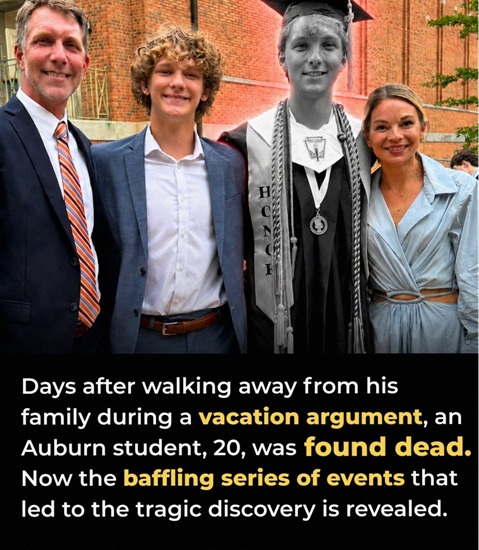
What was meant to be a family trip to Japan turned into a large-scale search operation after Auburn student James “Weston” Higginbotham went missing during the journey. In emotional public messages, his mother later asked for compassion and understanding as the family endured an extremely difficult and uncertain situation. As the days passed without confirmed answers, the search effort expanded across Kyoto and nearby regions.
Family members, police, and volunteers worked together to trace Weston’s movements using surveillance footage, transportation records, and phone data in an attempt to understand his last known locations. What started as a personal family concern quickly developed into a coordinated search involving multiple agencies and public assistance.
The Beginning of the Journey in Japan
Weston Higginbotham traveled to Japan with his family on May 25, according to information later shared by his mother, Nancy Higginbotham. The family was exploring the country together during what was intended to be a shared travel experience.
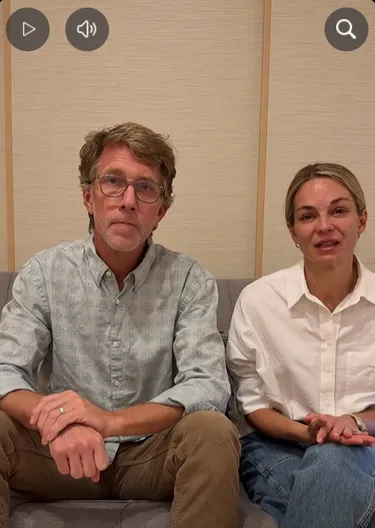
Nancy described Weston as a capable traveler and a college student studying environmental engineering. She also shared that he had a strong interest in sustainability, nature, and independent travel, and was known for being highly skilled at navigating new places.
During later interviews reported by media outlets, Nancy also mentioned that Weston held strong views about technology, including concerns about the increasing use of artificial intelligence in everyday life.
A Family Disagreement Before the Incident
One detail that later became public involved a disagreement between Weston and his mother shortly before he went missing. According to Nancy’s account shared in an NBC News interview, the disagreement was related to the use of digital tools, including ChatGPT, which she had been using during the trip for navigation and planning.
She explained that Weston was uncomfortable with reliance on AI tools, as it conflicted with his environmental values and personal beliefs. Nancy later described the situation as an unfortunate argument during a stressful moment of travel.
After this disagreement, Weston reportedly walked away from his parents. Nancy said he became emotionally upset but did not believe he posed any danger to himself or others. She described him as someone who tended to withdraw when distressed rather than react aggressively.
At that time, no one could have predicted that this would be one of the final known interactions between them.
The Last Confirmed Location in Kyoto
Investigators later began reconstructing Weston’s movements using surveillance footage and digital records. Based on shared reports, he was last confirmed in the Kyoto area on May 29, 2026.
His final confirmed transaction was reportedly made at a hardware store in Kyoto. Shortly after, he was seen at Kyoto Station around 8:15 p.m., and his phone connection was lost at approximately 8:29 p.m.
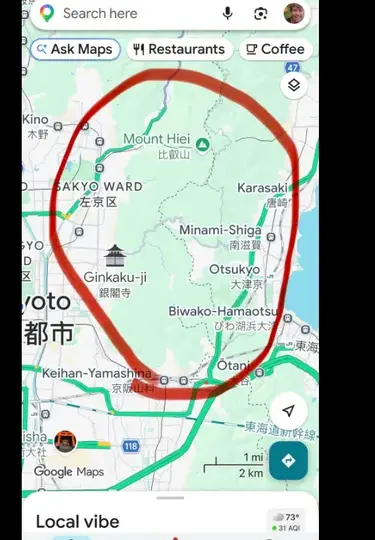
Authorities believe he may have boarded a local train, possibly along the Biwako Line or Kosei Line. Further review of surveillance footage suggested he exited at Yamashina Station, located east of central Kyoto.
After that point, his exact movements remain unknown, and investigators were unable to confirm whether he continued traveling by train or on foot.
Search Focus Shifts to Mountain Regions
As the timeline became clearer, search efforts increasingly focused on the mountainous and forested areas near Yamashina. Because Weston was known to be experienced in travel and hiking, it was considered possible that he may have moved toward nearby trails.
Search locations included areas such as Bishamon-do, Lake Biwa Canal, Misasagi, Keage, Nanzen-ji, sections of the Kyoto Trail, Mount Otowa, and the Daigo region.
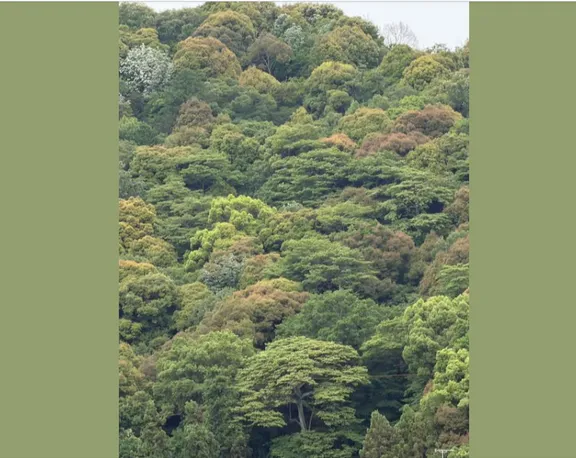
These areas contain dense vegetation, uneven terrain, and limited visibility in certain sections, making search operations more difficult and time-consuming. Teams of volunteers and authorities worked together to cover both urban and natural environments.
Intensifying Search Efforts and Public Appeals
By early June, search operations had expanded significantly. Weston’s mother continued sharing public updates, asking people to help distribute information and stay alert for possible sightings.
She encouraged residents and travelers to check places such as train stations, hotels, cafés, parks, temples, shrines, and hiking routes throughout Kyoto and surrounding regions.
In her messages, she also described personal efforts made by family members, including nighttime searches in wooded areas. She noted the challenging terrain and environmental conditions faced during these attempts.
Her appeals also emphasized the importance of kindness and understanding, as online speculation began to spread.
Global Attention and Community Support
As news of the disappearance spread, support began coming from both Japan and the United States. Volunteers, local authorities, and international partners contributed to the search effort by sharing information and assisting in coordination.
Nancy expressed gratitude for the widespread support and emphasized that public sharing of information could help generate new leads. She encouraged continued awareness, hoping that someone might recognize Weston.
Search operations continued across multiple regions, with helicopters, ground teams, and volunteers covering large mountainous areas around Kyoto.
Continued Leads and Ongoing Efforts
As the search continued, investigators reviewed additional surveillance footage and reports of possible sightings. Some information suggested Weston may have exited at a different station than originally believed, leading to renewed searches in additional areas.
Although several leads were followed, many did not result in confirmed sightings. Despite this, search teams and volunteers continued their efforts across different regions, adjusting their focus as new information emerged.
The family remained involved in coordinating efforts and carefully evaluating each potential lead.
The Final Update
On June 6, 2026, Weston Higginbotham was found deceased in a mountainous area outside Kyoto, according to a statement released by his mother.
The discovery was made by a volunteer search-and-rescue team participating in the ongoing operation. The family shared their heartbreak publicly, bringing the search to a tragic conclusion.
Authorities involved in the case had spent several days coordinating extensive search efforts across both urban and rural environments.
A Case That Drew Wide Attention
The disappearance of Weston Higginbotham attracted attention from online communities, volunteers, and international observers who followed the search closely.
The case demonstrated how quickly modern search efforts can mobilize across countries using surveillance systems, public communication, and coordinated field operations.
It also highlighted the emotional challenges faced by families during uncertain missing-person cases, especially when relying on both official investigations and public assistance.
