
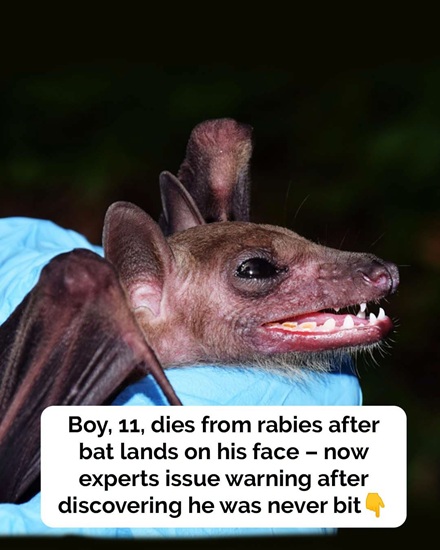
A recently published medical report has brought renewed attention to the dangers of rabies exposure following a tragic case involving an 11-year-old boy in Canada. According to a case study published in the Canadian Medical Association Journal (CMAJ) on June 29, the child died from rabies after an unexpected encounter with a bat while staying at a family cottage in northern Ontario during the summer of 2024. The case has since been widely discussed by medical experts as a critical example of how rabies exposure can occur even without visible wounds.
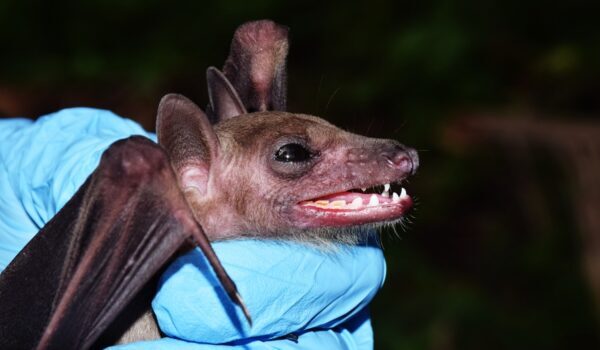
Health professionals emphasize that the incident highlights the importance of seeking immediate medical advice after any direct contact with bats, regardless of whether a bite or scratch is apparent.According to the report, the boy and his family were staying at a cottage when the incident occurred. One night, he reportedly woke up to find a bat resting across his face, covering his nose and mouth. His father removed the animal by trapping it in a pan before releasing it outdoors.
At the time, there were no visible signs of injury such as bites or scratches, and therefore no immediate medical consultation was sought. This detail is particularly significant from a medical standpoint. Rabies is a viral infection transmitted most commonly through the saliva of infected animals, typically via bites. However, experts note that bat bites can be extremely small and difficult to detect, especially if they occur while a person is sleeping. In many cases, individuals may not realize they have been exposed.
Initial Absence of Symptoms and Delayed Medical Attention
Following the encounter, the child reportedly showed no immediate symptoms of illness. Because there were no visible injuries, the family did not initially suspect any risk of rabies exposure. This is not uncommon in similar cases, as rabies has a variable incubation period that can range from weeks to months depending on the location and severity of exposure.
However, approximately 19 days after the incident, the boy’s condition changed. According to the CMAJ report, he was taken to an emergency department after developing symptoms including vomiting, facial tingling, and numbness. These neurological symptoms are consistent with the progression of rabies infection once the virus reaches the nervous system.
At this stage, medical professionals determined that he had contracted rabies despite the lack of any visible wound from the initial bat encounter. This diagnosis reflects one of the most challenging aspects of rabies cases: once symptoms appear, the disease is almost always fatal.
Understanding Rabies and Its Progression
Rabies is considered one of the most severe viral infections affecting humans. Once clinical symptoms begin, the disease has an extremely high fatality rate. According to global health authorities such as the World Health Organization (WHO), rabies is nearly always fatal after neurological symptoms develop.
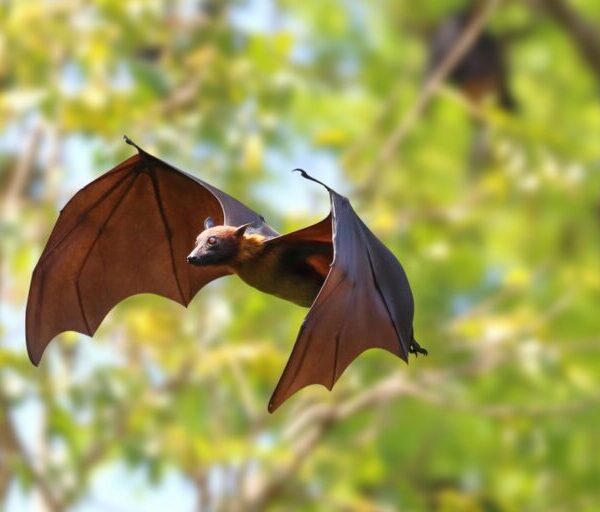
The virus typically progresses in stages. After initial exposure, there may be a latency period with no symptoms. As the virus moves through the peripheral nervous system toward the brain, early symptoms such as fever, discomfort, or tingling at the exposure site may appear. This is followed by neurological symptoms including anxiety, confusion, agitation, difficulty swallowing, and eventually severe neurological dysfunction.
Because of this progression, early intervention is critical. Post-exposure prophylaxis (PEP), which includes wound cleaning, administration of rabies immunoglobulin in some cases, and a series of vaccinations, is highly effective at preventing infection if given before symptoms begin.
Emergency Treatment and Outcome
Despite medical intervention after the onset of symptoms, the boy’s condition continued to deteriorate. The CMAJ report states that he died shortly after the disease progressed to its symptomatic stage. Medical experts emphasized that by the time neurological symptoms appear, there is currently no effective cure for rabies.
The case has been described by healthcare professionals as both rare and preventable, highlighting the importance of awareness regarding wildlife exposure risks, particularly with bats.
Medical Experts Emphasize Awareness and Prevention
Following the publication of the report, infectious disease specialists have reiterated the importance of treating any direct contact with bats as a potential rabies exposure. One of the physicians involved in the report, Dr. Brian Hummel, a pediatric infectious disease specialist at McMaster Children’s Hospital, emphasized that even in the absence of visible wounds, exposure should not be dismissed.
He explained that individuals who wake up to find a bat in close contact should immediately consult public health authorities to determine whether post-exposure treatment is necessary. Medical guidelines in Canada and other countries recommend a precautionary approach in such situations due to the difficulty of detecting bat bites.
Dr. Hummel also highlighted that bat-related rabies cases, while rare, remain a known risk in Canada. Bats are among the primary wildlife carriers of rabies in North America. Because of their small teeth and the subtle nature of their bites, exposure can go unnoticed, which increases the risk of delayed treatment.
Public Health Guidance on Bat Exposure
Public health agencies generally advise that any direct contact with a bat should be treated as a potential exposure. This includes situations where a person wakes up and finds a bat in the same room, or where physical contact with a bat has occurred and cannot be ruled out as a bite or scratch.
In such cases, medical professionals may recommend immediate post-exposure prophylaxis to prevent infection. The effectiveness of PEP is extremely high when administered before symptoms appear, making early reporting and evaluation essential.
The World Health Organization and other global health bodies stress that rabies is preventable but almost always fatal once symptoms develop, reinforcing the importance of timely medical response.
Broader Public Health Implications
This case has prompted renewed public health messaging in Canada regarding wildlife exposure and rabies prevention. While human rabies cases are rare in developed countries due to vaccination programs and public awareness, bats continue to pose a low but persistent risk.
Experts note that education plays a key role in prevention. Many people are unaware that bat bites may not leave visible marks, leading to a false sense of safety. This misunderstanding can delay critical treatment.
Health authorities encourage individuals, especially families staying in rural or wooded areas, to take precautions such as avoiding direct contact with wildlife and seeking medical advice immediately if exposure is suspected.
The death of the 11-year-old boy, as documented in the CMAJ report, serves as a powerful reminder of the hidden risks associated with rabies exposure and the importance of immediate medical attention after any contact with bats.
Medical experts continue to stress that rabies is preventable when treated early, but nearly always fatal once symptoms begin. The case underscores the need for awareness, quick decision-making, and public health education to prevent similar tragedies in the future.

