

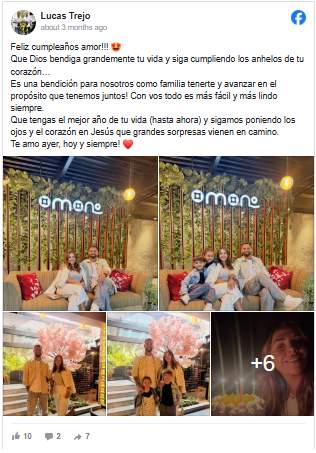
Reports circulating from Venezuela describe a deeply tragic situation following a powerful series of earthquakes that allegedly struck the country in late June. According to the provided information, the events have not only caused widespread structural damage but have also led to devastating personal losses for individuals and families affected by the disaster. Among the most widely shared accounts is that of Argentine footballer Lucas Trejo, a 38-year-old player associated with Sport Marítimo La Guaira.
The situation, as described in the reports, highlights both the large-scale impact of natural disasters and the personal tragedies that often unfold in their aftermath. Earthquakes are among the most destructive natural events due to their sudden onset and ability to cause widespread structural collapse within seconds. In this case, the reported sequence of events describes two major tremors occurring within a short time span, which allegedly intensified the destruction across multiple regions.
According to the account provided, Trejo was away from home at a training camp in Caracas when the earthquakes struck. During major seismic events, it is common for communication networks and transportation systems to be disrupted, making it difficult for individuals to immediately contact family members or return home safely. The reports state that Trejo learned about the situation affecting La Guaira, a coastal area north of the capital, and immediately attempted to return to his family residence.
La Guaira is described in the reports as one of the areas heavily impacted by the earthquake activity. Coastal and densely populated urban regions are often particularly vulnerable during seismic events due to building density, infrastructure limitations, and soil conditions that can amplify shaking. As with many disaster situations, emergency response efforts are typically challenged by damaged roads, unstable structures, and ongoing safety risks for both survivors and rescue teams.
The most emotionally distressing part of the reported story involves Trejo’s family. According to the information provided, his wife and two young children were inside their home when the earthquakes struck. The collapse of residential structures during strong seismic activity is unfortunately one of the most common causes of fatalities in earthquake zones, particularly in areas where buildings may not be fully resistant to extreme ground movement.
Following the reported collapse, rescue operations were carried out in an effort to locate survivors. Emergency responders, along with local assistance teams, are described as having worked through rubble in search of individuals trapped beneath debris. In many earthquake disasters worldwide, the first 24 to 72 hours are considered critical for survival chances, as rescue efforts focus on locating people who may still be alive under collapsed structures.
The account states that Trejo returned to the affected area after learning about the destruction in La Guaira. It is reported that he spent time near the ruins of the building while rescue efforts continued. Situations of this nature are often emotionally overwhelming for survivors and family members, especially when the status of loved ones remains uncertain for extended periods.
As described in the reports, Trejo reportedly remained near the site for an extended period while search efforts continued. Family members later shared statements indicating that communication with him during this time was extremely limited due to the circumstances. Disasters of this scale often result in disrupted communication networks, making it difficult for families to stay in contact during critical moments.
After a period of searching, the reports state that rescue teams discovered the bodies of his wife and children beneath the remains of the collapsed structure. This moment is described as a turning point in the tragedy, marking the end of hope for survival and the beginning of an extremely difficult emotional reality for those involved.
In the aftermath of such discoveries, it is common for individuals to experience severe psychological trauma. According to the information provided, Trejo was later placed under medical supervision due to his emotional and physical condition. In disaster situations, mental health support is often necessary for survivors and grieving family members, particularly when losses are sudden and involve multiple close relatives.
The reports further indicate that he was sedated under medical care due to the severity of his distress. While sedation and hospitalization are sometimes used in cases of extreme trauma, each situation is handled individually by medical professionals depending on the patient’s condition. The involvement of medical supervision in such cases reflects the serious emotional toll that catastrophic events can have on individuals.
Family members, as cited in the provided account, expressed concern about the procedures that still needed to be completed following the identification of the victims. In many disaster situations, official processes such as documentation, identification, and repatriation of remains can take time, especially when local systems are overwhelmed by the scale of the emergency.
The broader earthquake event described in the reports is said to have affected multiple regions and caused widespread destruction. Earthquakes of significant magnitude can lead to infrastructure failure, including collapsed buildings, damaged roads, and disrupted essential services such as electricity, water supply, and healthcare systems. These challenges often complicate rescue and recovery efforts in the immediate aftermath.
In addition to physical destruction, natural disasters often have long-lasting social and emotional effects on communities. Families may lose homes, livelihoods, and loved ones within moments, while survivors are left to cope with both grief and uncertainty. Community support networks, emergency services, and humanitarian organizations often play a critical role in recovery and rebuilding efforts.
The situation involving Lucas Trejo, as described in the reports, has also drawn attention within the football community. Sports teams and athletes often form close-knit environments, and tragedies affecting one member can have a significant emotional impact on teammates, staff, and supporters. In many cases, clubs and sporting organizations provide support systems for affected individuals during periods of crisis.
More broadly, the reported disaster serves as a reminder of the unpredictable nature of seismic events and the importance of preparedness in earthquake-prone regions. While earthquakes cannot be prevented, risk reduction strategies such as earthquake-resistant construction, early warning systems, and emergency planning can significantly reduce casualties and damage.
Emergency response systems around the world continue to emphasize the importance of rapid action, coordinated rescue efforts, and public awareness during such events. The first hours after a disaster are often critical, and the effectiveness of response efforts can influence survival rates and recovery outcomes.
Ultimately, the reported story of Lucas Trejo reflects not only a personal tragedy but also the wider human impact of natural disasters. Behind every large-scale event are individual lives affected in deeply personal ways, and communities that must navigate both immediate response and long-term recovery. While the details described remain part of ongoing reports, the emotional weight of such events is universally understood in disaster-affected regions around the world.

