
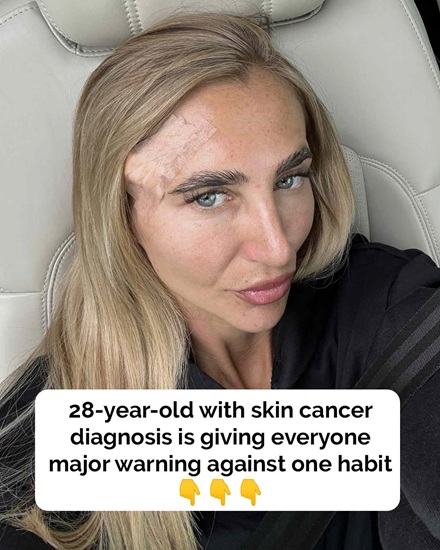
For many people, achieving a sun-kissed complexion has long been associated with beauty, confidence, and an active outdoor lifestyle. Over the years, tanning has become a popular cosmetic choice in many countries, whether through spending time in the sun or using indoor tanning equipment. While awareness about ultraviolet (UV) radiation has increased significantly, many individuals still underestimate the long-term effects that repeated exposure can have on the skin.
Dermatologists continue to emphasize that protecting the skin is not simply a cosmetic concern but an important part of maintaining overall health throughout life. Beth Brown’s publicly shared experience has attracted attention because it illustrates how easily early signs of skin cancer can be mistaken for a common skin condition. According to interviews she has given, she spent several years regularly using tanning beds while also enjoying sunny destinations through her work as a flight attendant.
Like many young adults, she believed maintaining a tan was simply part of her lifestyle and did not initially consider the long-term health risks associated with repeated UV exposure. Brown has explained that her attitude toward sun protection was influenced by habits she observed while growing up. She recalled that sunscreen was not used consistently in her family during her childhood, reflecting practices that were common for many people decades ago. Medical recommendations regarding sun safety have evolved considerably over the years as scientific research has improved our understanding of ultraviolet radiation and its relationship to skin damage. Today, dermatologists encourage regular sun protection regardless of age or skin tone.
During her twenties, Brown gradually increased the frequency of her tanning sessions. According to her public statements, indoor tanning became part of her routine for several years. Many health organizations note that indoor tanning devices emit ultraviolet radiation similar to, and sometimes stronger than, natural sunlight. Repeated exposure to these rays can damage DNA within skin cells, increasing the risk of premature skin aging and several forms of skin cancer over time.
Everything changed when Brown noticed a small area of redness on her face that did not heal. At first, she believed the spot was a minor skin irritation or eczema because it appeared relatively small and did not initially cause severe discomfort. Like many people facing common skin problems, she tried over-the-counter creams in the hope that the area would improve naturally. However, despite these efforts, the patch remained present and occasionally became irritated.

According to Brown, the turning point came after discussing the persistent skin change with her boyfriend, who sought advice from his mother, a physician. Based on the description and photograph of the affected area, she recommended that Brown arrange a medical examination. That advice ultimately led to an appointment with healthcare professionals who performed the appropriate evaluation. Brown has since said she believes seeking medical attention at that stage was one of the most important decisions she made.
Doctors diagnosed her with basal cell carcinoma (BCC), the most common form of skin cancer. According to organizations such as the American Cancer Society and the Skin Cancer Foundation, basal cell carcinoma develops most often in areas frequently exposed to ultraviolet radiation, including the face, ears, neck, and scalp. Although BCC rarely spreads to distant organs, specialists emphasize that it should still be diagnosed and treated promptly because it can continue growing locally and damage surrounding tissue if left untreated.
After receiving the diagnosis, Brown entered the healthcare system for treatment. Like many patients requiring specialized procedures, she experienced a waiting period before surgery. She has publicly described feeling anxious during that time, concerned about the possibility that the affected area might continue changing before treatment could be completed. Such feelings are common among patients facing an unexpected cancer diagnosis, even when physicians explain that the outlook for basal cell carcinoma is generally very good when treated appropriately.
When surgery eventually took place, Brown chose to allow the wound to heal naturally rather than undergo certain reconstructive options. She later explained that she had underestimated how extensive the recovery process would be. Instead of the relatively small procedure she had imagined, she found herself facing a much longer healing period. Her experience highlighted an important reality of skin cancer treatment: even cancers with excellent survival rates may require procedures that temporarily affect appearance and daily activities while healing occurs.
As recovery progressed, Brown began viewing sun protection very differently from how she had during her younger years. Through interviews, she has encouraged people not to ignore persistent changes in their skin, particularly spots that bleed repeatedly, fail to heal, or continue changing over time. Dermatologists similarly recommend that individuals seek medical evaluation whenever a suspicious skin lesion persists, emphasizing that early diagnosis often leads to simpler treatment and better outcomes.
Public health organizations around the world continue warning about the risks associated with excessive ultraviolet exposure. Scientific research has consistently shown that both natural sunlight and indoor tanning devices contribute to cumulative skin damage throughout life. While occasional sun exposure is important for normal daily activities, experts recommend balancing outdoor enjoyment with practical protective measures such as sunscreen, protective clothing, hats, sunglasses, and seeking shade during periods of intense sunlight.
Ultimately, Brown’s experience serves as a reminder that skin cancer can affect people who may not initially consider themselves at risk. Her story emphasizes the value of paying attention to changes in the skin, seeking professional medical advice when something does not heal as expected, and understanding that prevention remains one of the most effective tools available. By sharing her experience publicly, she has contributed to greater awareness of skin health while encouraging others to make informed decisions about protecting themselves from unnecessary ultraviolet exposure.
As Beth Brown’s recovery continued, her experience became more than a personal health journey. By speaking publicly about her diagnosis, she hoped to encourage others to pay closer attention to changes in their skin and to seek medical advice when something does not appear normal. Health experts have long emphasized that many forms of skin cancer are highly treatable when detected early, making awareness and regular skin examinations important parts of preventive healthcare. Brown’s willingness to share her story has contributed to broader public conversations about sun safety and early detection.
One of the most important lessons highlighted by dermatologists is that ultraviolet (UV) radiation affects the skin gradually over time. Damage caused by repeated exposure often accumulates over many years before becoming visible. As a result, skin cancer may develop long after the exposure that contributed to it occurred. This delayed effect explains why healthcare professionals consistently encourage protective habits throughout life rather than waiting until skin changes appear.
Indoor tanning devices have been the subject of extensive scientific research for many years. Organizations such as the World Health Organization and the International Agency for Research on Cancer have classified ultraviolet-emitting tanning devices as carcinogenic to humans. Medical studies have consistently found that repeated exposure to artificial UV radiation increases the risk of developing several forms of skin cancer, including basal cell carcinoma, squamous cell carcinoma, and melanoma. For this reason, many countries have introduced regulations limiting or prohibiting tanning bed use among minors.
Dermatologists also remind patients that ultraviolet radiation affects the skin regardless of whether it comes from natural sunlight or indoor tanning equipment. While many people associate tanning with a healthy appearance, a tan actually represents the skin’s response to UV-induced damage. Increased pigment production occurs because skin cells attempt to protect themselves from further injury. Although the visible color may fade, the cellular damage caused by repeated exposure can remain and accumulate over time.
Following her diagnosis, Brown has explained that she now approaches sun protection very differently. According to her public interviews, applying sunscreen has become part of her daily routine rather than something reserved only for beach vacations or particularly sunny days. Dermatologists commonly recommend broad-spectrum sunscreen, protective clothing, sunglasses, and wide-brimmed hats when spending extended periods outdoors. Seeking shade during the strongest midday sunlight is another simple measure that can reduce cumulative UV exposure.
Medical professionals also encourage individuals to become familiar with the appearance of their own skin. Regular self-examinations can help people notice new spots or changes in existing marks that may deserve professional evaluation. Although not every skin change indicates cancer, experts advise consulting a healthcare provider if a lesion continues to grow, repeatedly bleeds, develops a persistent scab, changes in appearance, or fails to heal within several weeks. Early medical assessment allows appropriate diagnosis and treatment whenever necessary.
Another important aspect of Brown’s story is the role that family awareness played after her diagnosis. She has shared publicly that her experience encouraged her mother to undergo a skin examination as well, which also resulted in a diagnosis of basal cell carcinoma. While each person’s medical history is unique, this experience illustrates how increased awareness can encourage preventive healthcare among family members. Healthcare providers often emphasize that discussing health concerns within families may help others recognize symptoms earlier.
The emotional impact of receiving a cancer diagnosis should not be overlooked, even when the prognosis is generally favorable. Many patients describe feelings of fear, uncertainty, and self-questioning after learning they have cancer. Healthcare professionals increasingly recognize the importance of emotional support alongside medical treatment, encouraging patients to communicate openly with family members, healthcare teams, and support networks throughout the recovery process. Comprehensive care addresses both physical healing and emotional well-being.
Public health campaigns continue emphasizing that skin protection should become a lifelong habit rather than an occasional precaution. Modern recommendations encourage people of all ages to balance outdoor activities with practical protective measures that reduce unnecessary ultraviolet exposure while still allowing them to enjoy healthy lifestyles. These recommendations are based on decades of scientific research demonstrating that prevention remains one of the most effective strategies for reducing the burden of skin cancer worldwide.
Scientists also continue developing improved methods for diagnosing and treating skin cancer. Advances in dermatology, surgical techniques, imaging technologies, and pathology have contributed to earlier diagnosis and highly successful treatment for many patients. Nevertheless, experts consistently emphasize that no medical advancement replaces the value of prevention. Limiting excessive UV exposure, recognizing suspicious skin changes, and seeking prompt medical evaluation remain fundamental components of skin health.
Beth Brown’s experience ultimately illustrates how a seemingly minor skin change can become an important reminder of the value of paying attention to one’s health. Her story is not simply about one diagnosis but about learning from experience and sharing that knowledge to help others make informed decisions. By encouraging regular skin awareness and emphasizing the importance of professional medical advice when something appears unusual, she has helped reinforce public health messages supported by dermatologists around the world.
As scientific understanding continues to grow, healthcare organizations remain united in encouraging practical sun safety habits, early detection, and informed decision-making. Stories such as Brown’s remind us that protecting our skin is not only about appearance but also about long-term health. Through awareness, education, and timely medical care, many skin cancers can be identified early and treated successfully, allowing individuals to continue living healthy and active lives while reducing the risks associated with unnecessary ultraviolet exposure.

