
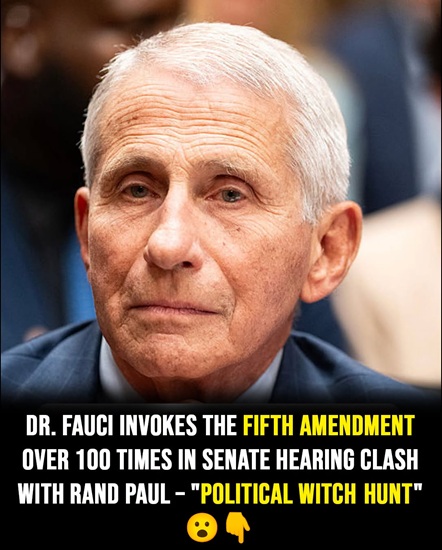
More than five years after the COVID-19 pandemic reshaped daily life around the world, many of the decisions made during the public health emergency continue to generate debate in Washington. One of the most closely watched developments occurred during a hearing of the U.S. Senate Homeland Security and Governmental Affairs Committee, where Dr. Anthony Fauci, the longtime former director of the National Institute of Allergy and Infectious Diseases (NIAID), appeared before lawmakers to answer questions about his role during the pandemic and other related matters.
The hearing attracted significant public attention because Fauci had been one of the most recognizable public health officials throughout the COVID-19 crisis. Dr. Fauci served in the federal government for decades and advised multiple presidential administrations from both major political parties. During the COVID-19 pandemic, he became one of the leading voices explaining evolving scientific knowledge about the virus, public health recommendations, vaccine development, and efforts to reduce transmission.
While many praised his experience and commitment to public health, others criticized some government policies introduced during the pandemic, leading to years of political and public debate. The Senate hearing was chaired by Senator Rand Paul of Kentucky, who has been one of Fauci’s most vocal critics throughout the pandemic and in the years that followed. Senator Paul has repeatedly argued that Congress should closely examine decisions made during the early stages of the COVID-19 response, including questions surrounding research funding, public health guidance, and the origins of the virus. The hearing formed part of those broader oversight efforts that have continued long after the official public health emergency ended.
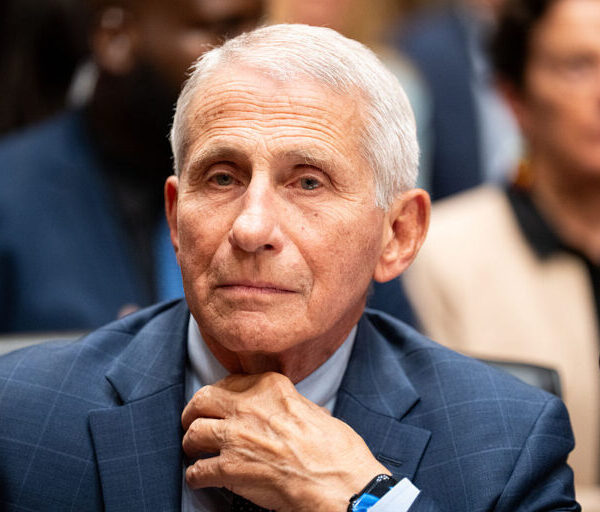
Before the hearing began, Senator Paul announced the release of a large collection of documents that he said would help provide additional context for lawmakers’ questions. According to public statements made before the session, the documents included personal writings and other materials connected to Fauci’s time in government service. Senator Paul said the committee intended to examine those materials while questioning the former health official about decisions made during the pandemic.
When Dr. Fauci delivered his opening statement, he argued that the hearing itself was driven by political motivations rather than a genuine effort to establish new facts. He stated that he believed the purpose of the proceedings was to pressure him into making statements that could later be used against him. Fauci told committee members that, based on the advice of his legal counsel, he would rely on his constitutional rights rather than respond to individual questions during the hearing.
Throughout the nearly three-hour session, lawmakers asked questions covering a wide range of pandemic-related topics. Among the issues discussed were federal support for scientific research, the government’s public health recommendations during different stages of the pandemic, and decisions involving COVID-19 vaccines and mitigation measures. Instead of answering those questions directly, Fauci repeatedly stated that, following his attorneys’ advice, he respectfully declined to answer.
His repeated reliance on the Fifth Amendment became one of the central moments of the hearing. The Fifth Amendment to the United States Constitution protects individuals from being compelled to provide testimony that could potentially be used to incriminate them in criminal proceedings. Legal experts have long noted that invoking this constitutional protection does not, by itself, establish either guilt or innocence. Instead, it represents a legal right available under specific circumstances within the American justice system.
As the hearing continued, tensions occasionally increased between committee members and participants. At one point, an attorney representing Dr. Fauci attempted to raise a legal objection during the proceedings without first being recognized by the committee chair. This led to a procedural dispute inside the hearing room before order was restored and questioning resumed. Following the session, Fauci’s legal team criticized the hearing, while committee members defended their oversight responsibilities.
Democratic members of the committee expressed a sharply different view of the proceedings than their Republican colleagues. Several senators argued that the hearing focused excessively on past political disputes rather than future public health preparedness. They praised Fauci’s decades of public service and questioned whether the hearing would produce meaningful new information. Republican members, meanwhile, maintained that congressional oversight requires examining decisions made by senior government officials regardless of when those decisions occurred.
Another significant topic discussed during the hearing involved President Joe Biden’s decision before leaving office to issue a presidential pardon covering certain federal matters related to Dr. Fauci. Some Republican senators argued that the pardon affected the legal basis for invoking Fifth Amendment protections regarding federal issues. Other legal commentators, however, noted that constitutional questions involving pardons, possible state-level matters, and testimony under oath involve complex legal considerations that may require judicial interpretation rather than political debate alone.
Legal scholars observing the hearing pointed out that the Fifth Amendment has been interpreted through decades of court decisions and remains an important constitutional safeguard within the American legal system. Whether a person may invoke that protection in a particular circumstance often depends on the specific legal risks involved rather than public opinion or political disagreement. As a result, constitutional experts have emphasized that such questions are generally evaluated through established legal principles rather than solely through congressional debate.
The hearing also reflected the continuing national discussion about the government’s response to COVID-19. Although the most acute phase of the pandemic has passed, many policymakers continue reviewing the lessons learned from one of the most significant public health emergencies in modern history. Questions regarding emergency preparedness, scientific communication, research oversight, and institutional decision-making remain subjects of ongoing discussion among lawmakers, researchers, and public health experts.
As the hearing concluded, Senator Rand Paul announced that the committee expected to consider additional procedural steps during a future meeting, including whether further congressional action would be appropriate. At the same time, legal analysts noted that any future developments would continue to follow established constitutional and legislative procedures. The hearing therefore represented not only a discussion about one former government official but also part of a broader conversation about congressional oversight, constitutional rights, and how democratic institutions review decisions made during extraordinary national events.
Following the hearing, discussion quickly expanded beyond the Senate chamber, with legal scholars, public health experts, and political analysts offering different perspectives on what had taken place. Rather than focusing solely on the exchanges between lawmakers and Dr. Anthony Fauci, many observers examined the constitutional and procedural questions raised during the session. The hearing became part of a broader national conversation about congressional oversight, executive authority, constitutional protections, and how government actions during major national emergencies should be reviewed after the fact.
One of the central legal issues discussed was the Fifth Amendment to the United States Constitution. This constitutional provision protects individuals from being compelled to provide testimony that could potentially incriminate themselves in criminal proceedings. Legal experts have emphasized that invoking the Fifth Amendment is a constitutional right available under certain circumstances. At the same time, they note that whether it is appropriate in a specific case depends on the surrounding legal context, which can involve complex constitutional questions rather than simple political arguments.
Another topic receiving considerable attention was the relationship between presidential pardons and constitutional protections. During the hearing, some senators argued that a previously issued presidential pardon affected Dr. Fauci’s ability to rely on Fifth Amendment protections concerning federal matters. Other legal analysts pointed out that constitutional law in this area is more nuanced, explaining that questions involving possible state-level proceedings, future testimony, or other legal considerations may require careful legal analysis rather than broad political conclusions. As a result, differing legal opinions continued to emerge following the hearing.
The hearing also illustrated the different priorities of Republican and Democratic members of the committee. Republican senators generally argued that Congress has an obligation to continue reviewing decisions made during the COVID-19 pandemic in order to improve transparency, accountability, and future emergency preparedness. Democratic senators, meanwhile, maintained that many of the issues discussed had already been extensively examined and argued that greater attention should be directed toward strengthening future public health systems rather than revisiting political disputes from previous years.
Observers noted that congressional oversight has long been an important function within the American system of government. Committees routinely conduct hearings involving current and former government officials to gather information, evaluate policy decisions, and examine how federal agencies have carried out their responsibilities. Such hearings often involve disagreement among lawmakers, particularly when the issues under review concern major national events that affected millions of people. The COVID-19 pandemic remains one of those defining events, making continued congressional interest unsurprising.
Public health experts also emphasized that many recommendations issued during the pandemic changed over time as scientific knowledge developed. Throughout the global health emergency, researchers learned more about the virus, methods of transmission, available treatments, and vaccine effectiveness. Because scientific understanding evolved rapidly, public guidance also changed in response to newly available evidence. Many specialists have noted that adapting recommendations to emerging data is a standard part of the scientific process, particularly during unprecedented public health emergencies.
The hearing further highlighted the continuing public interest in understanding how governments respond to large-scale crises. Policymakers, researchers, and independent commissions have continued studying lessons learned from the pandemic, including emergency preparedness, coordination among government agencies, public communication strategies, international cooperation, and healthcare system resilience. These ongoing reviews seek to improve future responses should another global health emergency arise.
Beyond the immediate political debate, constitutional scholars pointed out that hearings such as this often serve multiple purposes. In addition to gathering information, they provide an opportunity for lawmakers to publicly explain their positions, question government decisions, and encourage public discussion about important policy issues. Citizens following such proceedings are able to observe the legislative process while gaining insight into the differing viewpoints represented within Congress.
Media coverage following the hearing reflected the diversity of opinions surrounding both the proceedings themselves and Dr. Fauci’s legacy. Some commentators viewed the hearing primarily as an important exercise in congressional oversight, while others characterized it as part of a continuing political dispute surrounding the government’s pandemic response. Regardless of perspective, most observers agreed that the hearing underscored the lasting impact COVID-19 has had on American politics, healthcare policy, and public institutions.
Dr. Fauci remains one of the most recognizable public health figures in recent American history. During more than five decades of federal service, he advised presidents from both Republican and Democratic administrations on infectious diseases and public health matters. His role during the COVID-19 pandemic brought unprecedented public visibility while also placing him at the center of intense national debate. As with many officials involved in major historical events, assessments of his work continue to differ among policymakers, researchers, and members of the public.
As discussions continue, many experts emphasize the importance of distinguishing verified facts from political opinion. Responsible reporting requires accurately presenting public statements, official documents, constitutional principles, and legal developments while avoiding speculation or unsupported conclusions. This approach helps readers understand complex issues by separating established facts from the differing interpretations offered by various political figures and commentators.
Ultimately, the Senate hearing represented another chapter in the continuing effort to examine one of the most significant public health emergencies in modern history. Whether future congressional actions lead to additional hearings, legislative proposals, or further legal analysis, the broader conversation about pandemic preparedness, government accountability, scientific decision-making, and constitutional protections is likely to continue. As policymakers and experts reflect on the lessons of COVID-19, many agree that transparency, careful review of evidence, and respect for established legal processes will remain essential in preparing for future national challenges.

