
Reports circulating online describe a major earthquake event in Venezuela that allegedly caused widespread destruction, large-scale casualties, and extensive emergency response efforts. According to these reports, multiple strong earthquakes were said to have struck parts of the country, leading to significant structural damage and loss of life. However, it is important to note that full official verification of specific figures and details may vary depending on the source, and ongoing disaster reporting often evolves as new information becomes available.
Some accounts claim that more than 1,400 people may have died as a result of the earthquakes, with warnings that the final death toll could rise significantly as rescue operations continue. In large-scale natural disasters, early casualty estimates are often revised over time as search and rescue teams reach affected areas and more accurate assessments become possible. Authorities and international monitoring agencies typically caution that early numbers are preliminary and subject to change.
According to the same reports, the earthquakes were described as strong seismic events that caused widespread damage to buildings, infrastructure, and residential areas. Emergency response teams were reportedly deployed to assist in rescue operations, provide medical care, and search for survivors trapped under rubble. In disaster scenarios of this scale, rescue efforts often involve both local authorities and international support teams specializing in earthquake response.
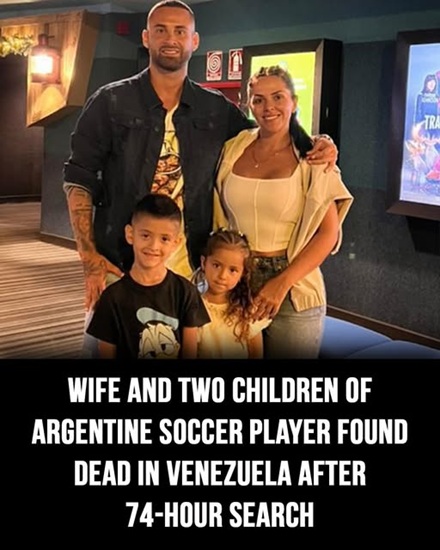
Among the widely circulated stories connected to the disaster is a claim involving Argentine footballer Lucas Trejo, who reportedly plays for a Venezuelan club. According to these accounts, Trejo was in Caracas preparing for a match when the earthquakes occurred, while his family was at home in a coastal area reportedly affected by severe destruction. These details have been shared across social media and certain news-style posts.
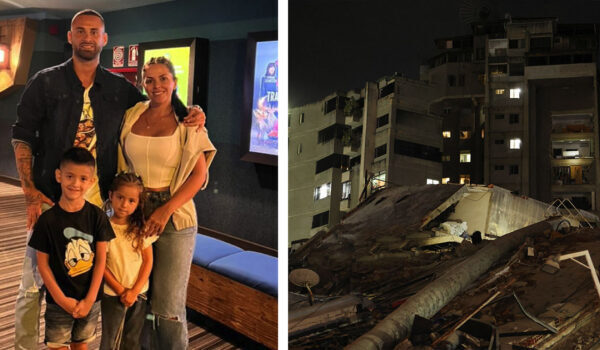
Reports further claim that Trejo’s family home was located in one of the hardest-hit areas and that their apartment building collapsed during the earthquakes. In emotional messages attributed to him, he is said to have publicly appealed for information about his wife and children shortly after the disaster, asking for help and praying for their safety. These messages circulated widely online, reflecting the confusion and distress often seen in the immediate aftermath of major disasters.
Subsequent accounts state that after an extensive search and rescue operation lasting several days, Trejo’s wife and children were reportedly found deceased in the rubble. These claims, while widely shared, should be understood in the context of unverified reporting unless confirmed by official authorities or recognized international news agencies.
The broader disaster narrative also describes significant humanitarian impact, including thousands of injuries and large numbers of people displaced from their homes. In many large earthquakes, hospitals can become overwhelmed due to the sudden influx of injured victims, and emergency shelters are often established to support those who have lost their homes.
Reports also suggest that international assistance was mobilized, with rescue teams, search dogs, and emergency personnel arriving from multiple countries to assist local responders. In major seismic disasters, coordinated international response efforts are common, as specialized rescue units are often required to locate survivors trapped beneath collapsed structures.
Seismological agencies are often among the first to analyze earthquake activity after such events. In general, agencies like the United States Geological Survey (USGS) provide preliminary data on magnitude, depth, and epicenter location when earthquakes occur. However, final assessments of casualties and destruction are typically handled by national authorities in coordination with humanitarian organizations.
In this case, circulating reports referenced strong earthquake magnitudes and suggested multiple aftershocks, which is common in major seismic events. Aftershocks can continue for days or even weeks following a large earthquake and can further complicate rescue operations and recovery efforts.
It is also important to emphasize that early reports in disaster situations can sometimes contain inaccuracies, as information spreads quickly through social media and unverified sources. Confirmed casualty figures, structural damage assessments, and personal stories are typically verified over time through official channels.
The situation described in these reports has generated widespread attention online, particularly due to the inclusion of personal stories involving families and public figures. In disaster coverage, human-interest stories often draw significant emotional response, but they also require careful verification to ensure accuracy and respect for those involved.
As of now, readers are advised to treat specific casualty figures and personal claims with caution unless confirmed by official government statements or reputable international news organizations. Disaster reporting is often updated frequently as rescue operations continue and more reliable data becomes available.
The reported earthquake event in Venezuela highlights the devastating impact that major natural disasters can have on communities, infrastructure, and families. It also underscores the importance of coordinated emergency response, accurate information sharing, and support for affected populations during crisis situations.
Further updates from official sources will be necessary to confirm the full extent of damage, casualties, and rescue outcomes as recovery efforts continue.

