
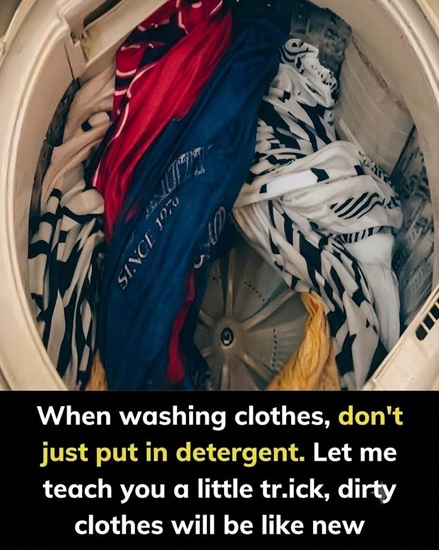
Most people rarely think about the long-term impact their washing routine has on clothing. A washing machine is designed to clean garments efficiently, but the process inside the drum also involves constant movement, friction, and pressure. Over time, these mechanical forces can gradually affect the texture, shape, and overall durability of fabrics. By understanding how laundry systems work, it becomes easier to make small adjustments that help preserve clothing quality and reduce unnecessary wear.
How Washing Machines Affect Fabric Over Time. Inside every wash cycle, clothes are continuously lifted, dropped, and rotated as the drum spins. This motion is essential for removing dirt, but it also creates repeated contact between fabrics. That contact naturally produces friction, which can slowly weaken fibers, especially in softer or more delicate materials. The impact becomes more noticeable when the machine is filled beyond its recommended capacity.
In overloaded conditions, garments have less space to move freely, causing them to twist and press tightly against one another. This increases tension on seams and fibers and may lead to gradual deformation or fading. Even with normal loads, certain fabrics may experience different levels of stress depending on cycle type, water temperature, and spin speed.
Why Proper Loading Makes a Difference
One of the most effective ways to reduce fabric damage is to avoid overfilling the washing machine. When there is enough space inside the drum, clothes can move more evenly and experience less concentrated friction.
Mixing heavy and light fabrics in the same wash can also create imbalance. Items like denim, towels, or thick cotton garments tend to exert more force during movement, which can affect lighter materials such as shirts or delicate fabrics.
Separating clothing by weight and fabric type helps create a more balanced wash cycle and improves overall cleaning efficiency while reducing unnecessary strain on garments.
Simple Additions Some People Use in Laundry Routines
Some individuals use simple household items as part of their laundry process in an effort to improve fabric separation during washing. One commonly discussed method involves placing clean, empty plastic bottles inside the washing machine along with clothing.
The concept behind this approach is that the bottles move with the laundry during the cycle, helping to create additional space between garments. This may reduce excessive clumping and allow clothes to circulate more freely within the drum.
In theory, this movement can help limit intense fabric-to-fabric contact. However, any additional items placed inside a washing machine should always be used carefully and appropriately to ensure they do not interfere with normal operation or damage the appliance.
The Importance of Sorting Clothes Properly
Sorting laundry before washing remains one of the most important steps in maintaining clothing quality. Separating items by color helps prevent dye transfer, while grouping by fabric type reduces uneven wear.
For example, heavier fabrics such as jeans and towels should generally be washed separately from lighter garments like shirts or delicate textiles. This allows each group of clothing to be cleaned under conditions that better match their durability.
It is also recommended to check pockets before starting a wash cycle. Small objects left inside clothing can potentially cause damage to fabrics or create issues inside the machine drum.
Pre-Soaking as a Gentle Cleaning Technique
Pre-soaking is another helpful method that can support better washing results. This involves allowing clothes to sit in water mixed with detergent before the main cycle begins.
During this time, dirt, oils, and stains begin to loosen from fabric fibers, making the cleaning process more effective once the wash cycle starts. This can be especially useful for heavily soiled items or garments exposed to sweat and everyday buildup.
By reducing the need for stronger wash cycles, pre-soaking may also help minimize unnecessary mechanical stress on clothing.
Natural Additives Used in Laundry Care
Some people include natural substances such as vinegar in their laundry routine. When used in small, controlled amounts, vinegar is often believed to help reduce odors and support fabric softness.
It may also assist in breaking down detergent residue and mineral deposits from hard water, which can sometimes make clothes feel stiff after washing. This can result in garments feeling fresher and softer after the cycle is complete.
When used correctly, vinegar typically does not leave a strong smell on clothing once the washing and rinsing process is finished.
Combining Simple Practices for Better Results
Improving laundry care is usually the result of combining several small habits rather than relying on a single method. Proper sorting, avoiding overload, using suitable wash cycles, and applying gentle cleaning techniques can all contribute to better fabric preservation.
The main goal is not only cleanliness, but also maintaining the condition and lifespan of clothing. With consistent care, fabrics are less likely to lose shape, color, or softness over time.
Even minor changes in routine can make a noticeable difference in how clothes look and feel after repeated washing.
Protecting Your Wardrobe Through Better Habits
Although washing machines are essential for modern households, the way they are used has a direct impact on clothing durability. Understanding how fabrics react to movement and friction helps reduce unnecessary damage over time.
By adopting mindful laundry habits—such as proper sorting, balanced loads, and gentle washing techniques—it becomes possible to improve both cleaning efficiency and garment longevity.
Ultimately, effective laundry care is about consistency and attention to detail. Small adjustments in everyday routines can help preserve clothing quality and ensure that garments remain in good condition for much longer.

