
A persistent itch, an unusual patch of irritated skin, or changes to a toenail can sometimes be the first indication of a fungal infection. These conditions are extremely common and can affect people of different ages and lifestyles. Although online descriptions sometimes portray skin fungus as a frightening organism that “eats flesh,” that characterization is misleading. Most common superficial fungal infections affect keratin-containing areas such as the outer layers of the skin, hair, and nails. They can certainly become uncomfortable and persistent, but effective treatments are available.
One of the best-known fungal skin conditions is ringworm, medically referred to as tinea. Despite the familiar name, no worm is involved. Ringworm is caused by fungi known as dermatophytes. Different forms are named according to the area they affect: tinea corporis involves the body, tinea pedis is commonly known as athlete’s foot, and tinea cruris is often called jock itch. Dermatophytes can also infect the scalp and nails, where treatment may be more complicated.
Dermatophytes are able to use keratin, a protein found in skin, hair and nails. This helps explain why these organisms commonly remain within keratinized tissues rather than invading deeply into healthy tissue in ordinary superficial infections. Warm and moist conditions can encourage fungal growth, which is why infections frequently develop or persist in places where sweat accumulates. Feet enclosed in damp shoes, for example, provide conditions in which athlete’s foot can thrive.
Skin folds can create similar environments. Moisture and friction around the groin, under skin folds or in other warm areas may encourage certain fungal or yeast infections. However, not every rash occurring in these locations is fungal. Irritation, eczema, bacterial conditions and other skin disorders can produce similar symptoms, making an accurate diagnosis particularly useful when a rash persists.
It is also misleading to claim that every case of ringworm begins when fungal spores already living harmlessly on a person’s skin suddenly become active. Dermatophyte infections are commonly acquired from another infected person, an animal, contaminated objects or occasionally the environment. Other fungi behave differently. Candida, for example, can normally exist on or inside the human body without causing problems and may produce infection when conditions allow excessive growth.
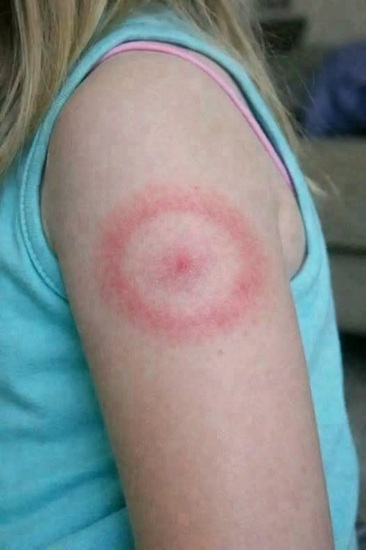
Ringworm can produce an itchy, scaly rash that sometimes develops into a recognizable circular pattern. A raised or more active border may surround an area that appears clearer toward the center. Nevertheless, the classic bright red “ring” frequently shown in illustrations is not universal. Skin tone, infection location and individual responses can influence its appearance, and some forms of tinea look quite different from a simple circle.
Athlete’s foot often develops between the toes or elsewhere on the feet. Symptoms may include itching, scaling, cracking or irritated skin. Moisture trapped between toes can make the condition easier to maintain. People who frequently wear enclosed footwear, participate in sports or use communal changing facilities may encounter conditions that favor transmission and fungal growth.
Fungal nail infections develop more slowly. A toenail or fingernail may gradually become discolored, thickened, brittle or crumbly. The nail can sometimes change shape or partially separate from the underlying nail bed, although this does not happen in every case. Many nail infections cause little or no pain, while others can become uncomfortable, especially when thickened toenails are repeatedly pressed against footwear.
Because nail changes have several possible causes, appearance alone does not always prove that fungus is responsible. Injury, psoriasis and other medical conditions can sometimes resemble fungal nail disease. Healthcare professionals may take nail material for laboratory examination before recommending certain treatments, particularly when prescription oral medication is being considered.
Scalp ringworm is another form requiring special attention. It can cause scaling and areas of hair loss and occurs particularly often in children. Unlike many limited fungal infections of ordinary body skin, scalp ringworm usually cannot be eliminated with an antifungal skin cream alone. Prescription oral antifungal medication is generally necessary because the infection involves hair follicles.
Transmission is one reason fungal infections can become a household concern. Ringworm can spread through direct skin-to-skin contact with an infected person. Close physical contact can therefore provide an opportunity for transmission, particularly when an infection has not yet been recognized or treated.
Animals can transmit ringworm as well. Cats and dogs are among the household animals capable of carrying dermatophytes. An infected animal may develop areas of hair loss or other skin changes, although signs can vary. When a household pet is suspected of having ringworm, veterinary evaluation is appropriate because treating only the human infection without addressing an infected animal can contribute to repeated transmission.
Contaminated personal items can provide another route. Towels, bedding, clothing, brushes and similar objects that contact infected skin or hair may carry fungal material. Sharing these items should therefore be avoided when someone has an active infection. Washing clothing, towels and bedding appropriately can also form part of efforts to limit transmission.
Communal showers, changing rooms and swimming facilities deserve particular attention when preventing athlete’s foot. Damp floors used by many people can provide opportunities for exposure. Wearing sandals or other protective footwear in shared shower areas is a straightforward preventive measure. Keeping feet dry and changing socks after they become sweaty can also help create conditions that are less favorable for fungal growth.
Fortunately, many uncomplicated cases of ringworm affecting ordinary skin can be treated with topical antifungal medicines. Products containing ingredients such as clotrimazole, miconazole or terbinafine are commonly used for appropriate fungal infections. Depending on the product, these medicines may be available as creams, sprays, powders or other formulations.
Treatment duration varies according to the medicine, location and type of infection. This means there is no single rule saying that every antifungal must be continued for exactly one or two weeks after a rash disappears. Instead, people should follow the instructions provided with the medication or directions from a pharmacist or healthcare professional.
Completing the recommended treatment period is important even when symptoms improve quickly. A rash may begin looking better before an infection has completely cleared. Stopping medication earlier than recommended can allow symptoms to persist or return. At the same time, applying medication for longer than recommended without medical advice is not necessarily beneficial.
Certain infections require professional treatment rather than ordinary over-the-counter products. Scalp ringworm is an important example because prescription oral medicine is usually required. Extensive infections, repeatedly recurring infections and conditions that do not improve after appropriate treatment also deserve medical assessment.
Fungal nail infections can require considerable patience. Nails grow slowly, particularly toenails, so visible improvement may take months even when treatment is working. Some cases can be managed using products applied directly to the nail, while others may require prescription tablets. A clinician can help determine which approach is appropriate.
Oral antifungal medication should not be taken casually. Prescription drugs such as terbinafine can be effective for particular fungal infections, but they may not be suitable for everyone and can interact with other medicines or produce side effects. Healthcare professionals may consider a person’s medical history and, in some circumstances, order tests before or during treatment.
Everyday hygiene remains valuable alongside appropriate medication. After bathing or swimming, the body should be dried carefully, especially between the toes and around areas where moisture tends to remain. Changing damp or sweaty clothing relatively quickly can also help prevent prolonged exposure to the warm, humid conditions that many fungi prefer.
Clothing and footwear choices can make a difference as well. Breathable fabrics and shoes can help reduce excessive moisture, although no particular type of clothing can guarantee protection from fungal infections. Socks should be changed regularly, and shoes should be allowed to dry rather than remaining continuously damp.
People should also avoid repeatedly scratching an itchy fungal rash when possible. Scratching can damage the skin and may contribute to irritation. Touching an infected area and then another body part without washing the hands can potentially help spread fungal material elsewhere.
Online discussions frequently recommend remedies such as tea tree oil, coconut oil or diluted vinegar. Some substances have shown antimicrobial properties in laboratory settings, but that does not mean every home remedy has been proven to reliably cure an established fungal infection in humans. Using an unproven remedy instead of appropriate treatment may allow symptoms to continue.
There is another reason to avoid treating every rash at home indefinitely: not every itchy rash is fungal. Eczema, psoriasis, contact dermatitis and several other conditions can resemble tinea. Using the wrong treatment can delay a correct diagnosis and sometimes make the underlying problem more difficult to recognize.
A pharmacist can often provide useful guidance for a mild suspected fungal infection. Medical evaluation becomes more important when symptoms are severe, rapidly worsening, repeatedly returning or failing to improve with appropriate treatment. Scalp involvement, extensive disease and significant nail problems may also warrant professional assessment.
People with diabetes or weakened immune systems should be especially careful about persistent foot or skin infections. Conditions that are relatively minor for many otherwise healthy individuals can sometimes create greater complications in people with certain underlying health problems. Seeking professional advice early may therefore be appropriate in these circumstances.
It is also important to recognize signs that might indicate something other than an uncomplicated fungal infection. Significant swelling, increasing pain, fever, pus or rapidly spreading inflammation can warrant medical evaluation because another condition or a secondary bacterial infection may be present.
The good news is that common superficial fungal infections are generally treatable. Ringworm is not a mysterious parasite burrowing through the body, and typical dermatophyte infections are not “flesh-eating.” Accurate descriptions matter because frightening misinformation can cause unnecessary anxiety and may encourage people to use inappropriate treatments.
Prevention is largely based on straightforward habits. Keep skin reasonably clean and dry, avoid sharing personal towels or grooming tools, wear footwear in communal shower areas, change damp clothing, and seek treatment when a suspected infection does not improve. If a household pet may have ringworm, veterinary care can help prevent repeated transmission.
Recognizing an infection early can also make management easier. A persistent itchy or scaly area deserves attention, but there is usually no reason to panic. Many fungal skin infections respond well to established antifungal treatments when the correct medication is used for the recommended period.
Ultimately, skin fungi are best approached with accurate information rather than dramatic claims. They are common microorganisms capable of causing genuine infections under the right circumstances, and some infections can be stubborn. But appropriate treatment, sensible hygiene and professional medical advice when necessary can usually bring them under control.
Understanding what fungal infections actually are also makes it easier to separate legitimate health information from alarming online stories. Ringworm does not eat a person alive, every itch is not evidence of fungus, and home remedies are not guaranteed cures. Recognizing symptoms, using evidence-based treatments correctly and knowing when to seek medical care remain the safest and most practical approaches.

