
Living into your 80s reflects a long journey shaped by experience, change, and resilience. Yet modern research suggests that the true focus is less on lifespan alone and more on how those later years are lived meaningfully.
As people reach their 80s, there is often a noticeable shift in priorities. Instead of chasing productivity or status, attention naturally turns toward well-being, emotional balance, and maintaining a sense of purpose in everyday life.
Some individuals remain remarkably active, curious, and socially engaged well into advanced age. Others gradually withdraw from routines and social circles, highlighting how lifestyle choices can influence aging experiences more than chance alone.
One of the most influential factors in healthy aging is purpose. Without structured responsibilities, many older adults experience a loss of direction. Having meaningful daily activities helps maintain emotional stability and cognitive engagement over time.

In places like Okinawa, Japan, researchers often reference the cultural concept of ikigai. This idea reflects a personal reason for being, often connected to daily habits, relationships, or simple responsibilities that bring fulfillment.
Studies of long-lived populations suggest that people who maintain a clear sense of purpose tend to experience better emotional health. Purpose does not need to be grand; even small routines can provide meaningful structure and motivation.
A sense of purpose can come from caregiving, hobbies, volunteering, or personal goals. What matters most is that individuals feel useful and connected to something larger than themselves in daily life.
Another major factor in aging well is social connection. Relationships with family, friends, and community members play a significant role in emotional health, reducing stress and supporting long-term physical well-being throughout later life.
Research from long-term studies, including work associated with Harvard University, has shown that strong relationships are closely linked to better health outcomes and longer life expectancy, especially when social ties remain active and meaningful.
Isolation, on the other hand, can negatively affect both mental and physical health. It is associated with increased stress levels, reduced mobility, and a higher risk of cognitive decline over time in older adults.

Experts emphasize that maintaining friendships and social engagement is not optional in later life. Regular interaction helps support emotional resilience, reduces loneliness, and contributes to a more stable and satisfying aging process overall.
Mobility is another critical aspect of healthy aging. Staying physically active helps maintain independence, allowing older adults to continue performing daily tasks such as walking, cooking, and personal care with greater confidence.
Although muscle strength naturally declines with age, a condition known as sarcopenia, regular movement and light exercise can significantly slow this process and support long-term functional ability and physical independence.
Health professionals often highlight that mobility is closely linked to quality of life. Being able to move comfortably contributes to confidence, autonomy, and participation in everyday activities without excessive reliance on others.
Even simple activities such as walking, stretching, or light household tasks can help maintain balance, coordination, and joint flexibility, all of which are essential for reducing fall risk and preserving independence.
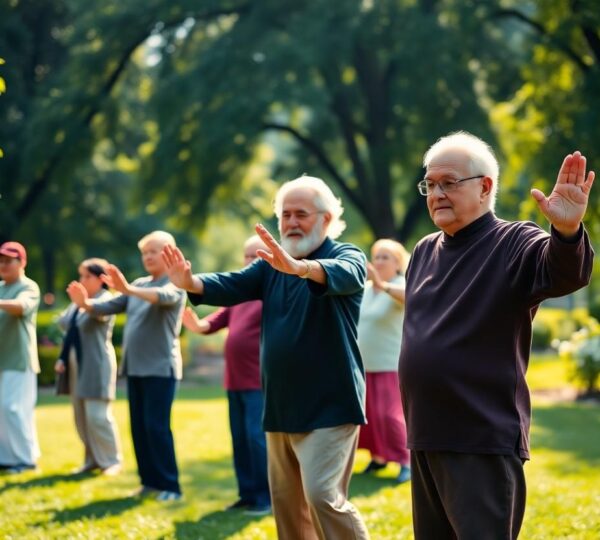
Regular physical activity is widely recognized as one of the most effective ways to support healthy aging. It does not need to be intense; consistency and suitability for individual ability are the most important factors.
Exercise supports cardiovascular health, strengthens muscles, and improves mood through natural chemical responses in the brain. These benefits collectively contribute to improved overall well-being in older adulthood.
Activities such as swimming, walking, or low-impact strength training are often recommended because they reduce strain on joints while still providing meaningful physical benefits that support daily functioning and independence.
Healthcare guidance frequently encourages older adults to consult professionals when starting exercise routines, ensuring activities are safe, appropriate, and tailored to individual health conditions and mobility levels.
Nutrition also plays a central role in aging well. As the body changes over time, dietary needs shift, making nutrient-dense foods increasingly important for maintaining energy, strength, and cognitive function.
Fruits, vegetables, lean proteins, and healthy fats provide essential vitamins and minerals that support brain health, immune function, and muscle maintenance, all of which become increasingly important with age.
Foods rich in antioxidants, such as berries and leafy greens, are often associated with reduced inflammation and improved cellular health, contributing to overall vitality and long-term wellness.
Hydration is equally important, as older adults may experience reduced thirst sensation. Maintaining adequate fluid intake supports digestion, circulation, and cognitive clarity throughout daily activities.

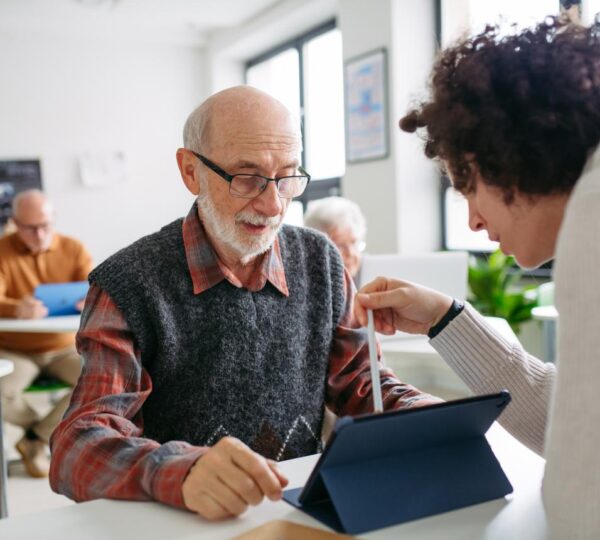
Mental stimulation is another important pillar of healthy aging. Engaging the brain through reading, puzzles, learning, or conversation helps maintain cognitive function and supports long-term memory retention and mental agility.
Lifelong learning has been associated with improved cognitive resilience. Whether through formal education or personal hobbies, continued intellectual engagement helps keep the mind active and adaptable over time.
Creative activities such as painting, writing, or music can also provide emotional benefits while encouraging brain activity, offering both enjoyment and cognitive stimulation in daily life.
Even simple habits like reading newspapers, discussing current events, or learning new skills online can contribute meaningfully to mental sharpness in later years.
Sleep quality is another essential factor influencing health in later life. Although sleep patterns often change with age, maintaining consistent rest is important for physical recovery and cognitive function.
Poor sleep has been linked to increased risks of memory issues, mood changes, and reduced immune function. Establishing regular sleep routines can help improve overall health outcomes.
Creating a calm sleep environment, limiting screen exposure before bedtime, and maintaining consistent sleeping hours are commonly recommended strategies for improving rest quality in older adults.
Understanding individual sleep needs is important, as older adults may require adjustments to routines to achieve restorative and sufficient rest each night.
Emotional well-being becomes increasingly important with age. Managing stress, maintaining positive relationships, and finding joy in daily life contribute significantly to overall health and life satisfaction.
Practices such as mindfulness, meditation, or simply spending time in nature can help reduce stress and improve emotional balance, supporting healthier aging outcomes.
Having supportive relationships and engaging in meaningful conversations also helps older adults process emotions and maintain psychological resilience during life transitions.
Ultimately, emotional health is deeply connected to physical health, influencing energy levels, motivation, and even immune system function over time.
Aging into the 80s and beyond is increasingly common in many parts of the world. However, the quality of those years varies greatly depending on lifestyle, habits, and social environment.
Research consistently shows that purpose, connection, mobility, nutrition, and mental engagement all work together to shape the aging experience. None of these factors operate in isolation.
Small, consistent habits often have a greater long-term impact than dramatic lifestyle changes. Daily choices gradually build the foundation for healthier and more fulfilling later years.
Understanding aging as a dynamic process rather than a fixed decline helps shift focus toward what can be maintained, improved, and enjoyed throughout life.
Ultimately, living well into advanced age is less about avoiding change and more about adapting to it with intention, connection, and care for both body and mind.

