
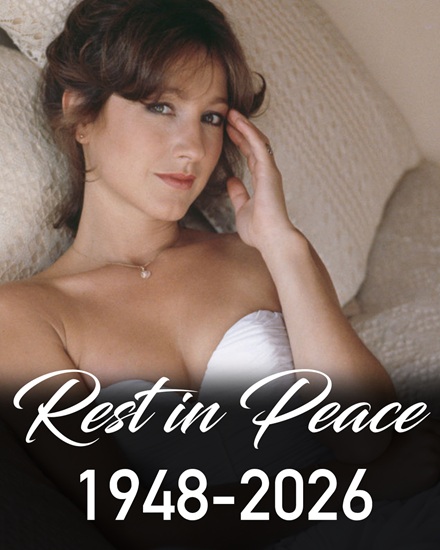
According to recent reports, acclaimed French actress Nathalie Baye, widely regarded as one of the most influential figures in French cinema.
Has been reported to have passed away at the age of 77, prompting global tributes from the film industry and audiences worldwide.
Her reported passing on April 17 at her home in Paris has been linked to complications associated with Lewy body dementia, a progressive neurological disorder that affects memory, movement, and cognitive functions, as described by major medical institutions.
Lewy body dementia is known for its complex symptoms, including cognitive decline, motor impairment, and sometimes vivid hallucinations.

It is caused by abnormal protein deposits in brain nerve cells, which gradually disrupt normal neurological activity and daily functioning.
While official confirmations and full medical disclosures remain limited in public statements, early reports emphasize that she had been living with this condition for some time, facing its challenges with dignity and privacy surrounded by close family members.
Nathalie Baye’s legacy is deeply rooted in decades of artistic achievement, marked by emotional depth, versatility, and collaborations with some of the most respected directors in European cinema history, shaping her as a cultural icon.
Born in 1948 in Normandy, France, Baye grew up in a family connected to the arts, which influenced her early exposure to performance. Her childhood environment encouraged creativity, even as she faced learning difficulties in school.
She left formal education at the age of 14, partly due to dyslexia and dyscalculia, conditions that made traditional academic learning challenging. This early transition led her toward dance studies in Monaco before discovering acting.
Her artistic journey began in performance arts, where dance initially served as her creative outlet. Over time, she transitioned into acting, finding her true calling in cinema during the early stages of her adult life.
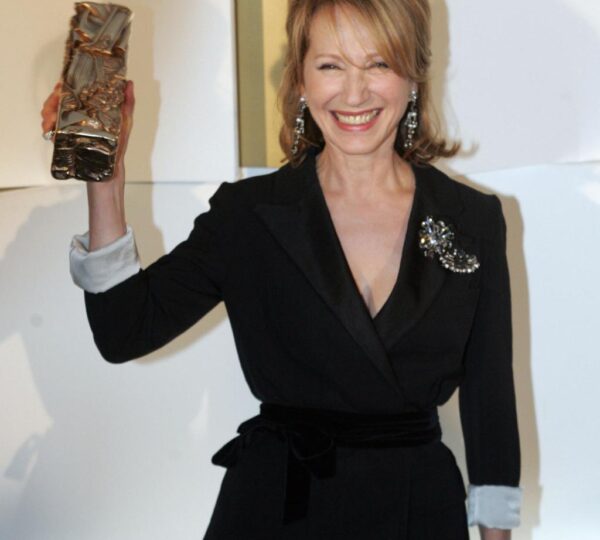
By the 1970s, she began working with some of France’s most influential filmmakers, including François Truffaut, Jean-Luc Godard, and Maurice Pialat, establishing herself as a serious dramatic actress.
Her breakthrough performances in films such as La Balance earned her critical acclaim and prestigious awards, including multiple César Awards, France’s highest film honor, solidifying her reputation as a leading actress.
She would go on to win four César Awards over her career, including an impressive sequence of consecutive wins in the early 1980s, highlighting her consistent impact on French cinema during that period.
Baye became known for portraying emotionally complex characters, often bringing realism and subtle intensity to her roles. Her performances were frequently praised for their authenticity and expressive depth.
In addition to her success in France, she later achieved international recognition, expanding her audience beyond Europe through appearances in major Hollywood productions and globally distributed films.
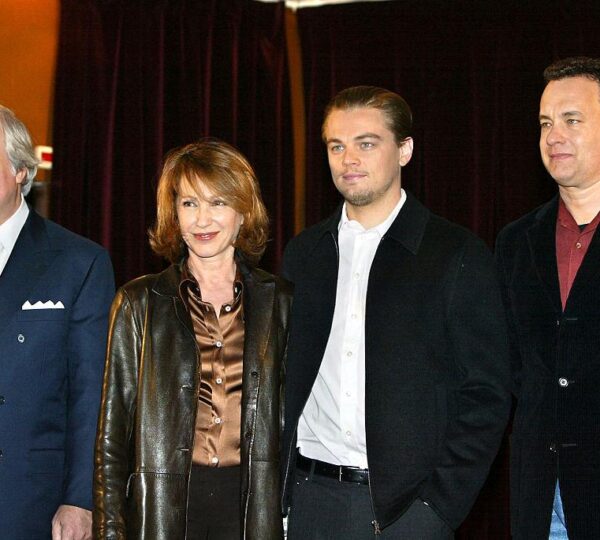
One of her most recognized international roles came in Catch Me If You Can, directed by Steven Spielberg, where she portrayed the mother of the character played by Leonardo DiCaprio, reaching a global audience.
The film was both a critical and commercial success, further expanding her international visibility and introducing her talent to new generations of viewers unfamiliar with her earlier French film career.
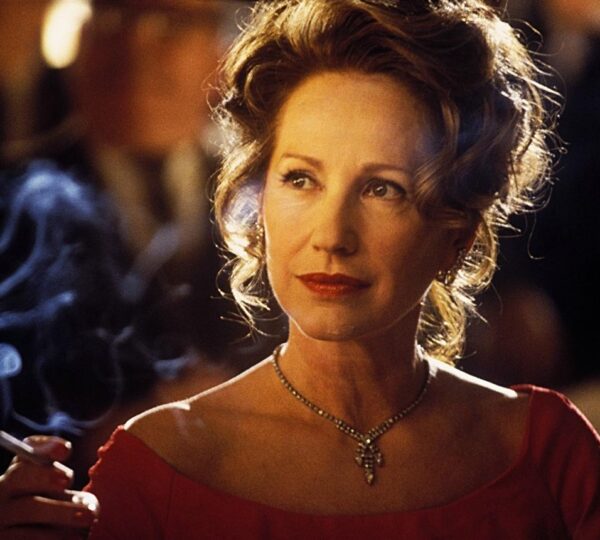
She also appeared in Downton Abbey: A New Era, a continuation of the popular British drama franchise Downton Abbey, further demonstrating her ability to adapt to diverse cinematic styles.
In that production, she portrayed Madame de Montmirail, a French aristocratic character, contributing to the film’s international appeal and its box office success across multiple markets.
Beyond her acting career, Baye’s personal life also drew public attention, particularly her relationship with French rock legend Johnny Hallyday, one of the most iconic figures in French music history.
Together, they had a daughter, Laura Smet, who later followed her parents into the entertainment industry and built her own acting career in French cinema and television.
Despite public interest in her personal relationships, Baye was often described as private and grounded, preferring to focus attention on her work rather than her personal life in the media.
She once reflected on her upbringing and personality in interviews, noting that her early life was relatively free of strict rules, which helped shape her independent and self-disciplined approach to life.
Friends and collaborators have often described her as warm, generous, and deeply loyal, qualities that extended beyond her professional life into long-standing personal friendships throughout her career.
Director Thierry Klifa, one of her closest friends, reportedly spoke about their decades-long bond, emphasizing her humor, kindness, and the emotional support she offered those around her.
Their friendship began after an interview in the late 1990s, evolving into a close personal relationship built on trust, shared experiences, and regular time spent together in Paris.
Klifa described her as someone who approached life with grace and resilience, rarely complaining even during difficult periods, including the progression of her illness in later years.
He also highlighted her sense of humor, often referring to her as a joyful presence who brought laughter into everyday moments and social gatherings.
Throughout her career, Baye maintained a reputation for professionalism and dedication, consistently delivering performances that resonated with both critics and audiences across generations.
Her influence on French cinema remains significant, with her extensive filmography serving as a reference point for actors and filmmakers studying performance and storytelling in European film traditions.
Even in later years, she continued to work selectively, choosing roles that reflected her artistic standards and personal interests rather than pursuing constant public visibility.
Her reported passing has prompted widespread reflection on her contributions to cinema, with many highlighting her ability to bridge French auteur film and international mainstream productions.
She leaves behind a legacy defined by artistic excellence, emotional depth, and a body of work that continues to influence both established and emerging filmmakers.
Nathalie Baye is survived by her daughter Laura Smet and her grandson, according to available reports, with her family and close circle requesting privacy during this period.
Her life and career remain a testament to the evolution of modern French cinema, and her influence is expected to endure through the films, performances, and memories she leaves behind.

