
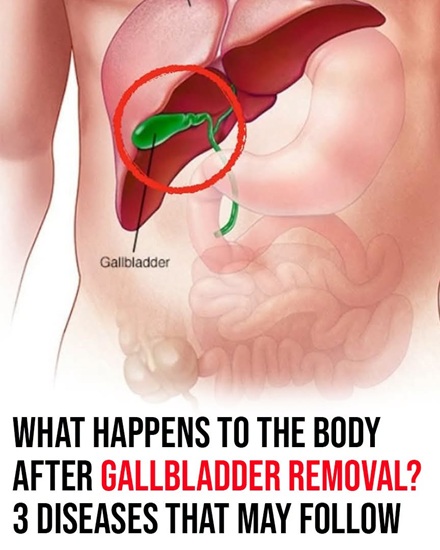
Gallbladder removal, medically known as cholecystectomy, is one of the most commonly performed abdominal surgeries worldwide. It is often recommended for people who experience repeated gallstone attacks, inflammation of the gallbladder, or other conditions that interfere with normal digestive function. Although the thought of losing an organ may sound concerning, healthcare professionals generally consider the procedure safe, and most people recover well and return to their usual daily activities.
Understanding how the gallbladder works and how the digestive system adapts after surgery can help patients feel more prepared for recovery and long-term life without this small organ. The gallbladder is a small, pear-shaped organ located beneath the liver in the upper right side of the abdomen. Its primary purpose is to store and concentrate bile, a digestive fluid continuously produced by the liver.
Bile contains substances that help the body digest dietary fats and absorb fat-soluble vitamins such as vitamins A, D, E, and K. During meals—especially those containing fat—the gallbladder contracts and releases concentrated bile into the small intestine through the bile ducts, where it assists with digestion. Although the gallbladder performs an important storage function, it is not essential for survival.
The liver continues producing bile even after the gallbladder is removed. Instead of being stored between meals, bile flows directly from the liver into the small intestine. Because of this adjustment, most people are able to digest food normally after recovery, although the digestive system may need time to adapt to the new pattern of bile delivery.
The most common reason for gallbladder removal is the presence of gallstones, medically known as cholelithiasis. Gallstones develop when substances normally found in bile—such as cholesterol or bilirubin—form solid deposits. These stones may remain very small or grow much larger over time. Many people never develop symptoms and may not even realize gallstones are present. However, when a stone blocks the normal flow of bile, it can cause sudden and sometimes severe abdominal pain known as biliary colic.
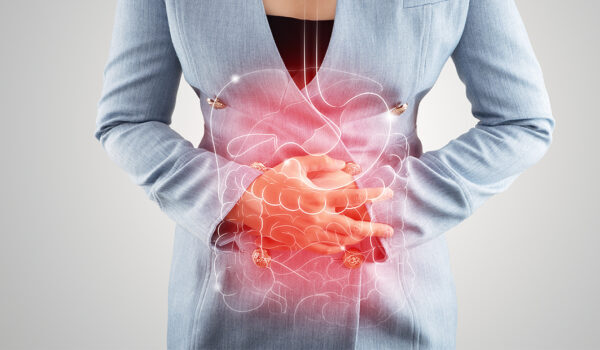
Gallstones may also lead to complications if they obstruct the gallbladder or nearby ducts. One possible condition is acute cholecystitis, an inflammation of the gallbladder that often causes persistent pain, fever, nausea, and tenderness in the upper right abdomen. This condition usually requires prompt medical evaluation and, in many cases, surgical removal of the gallbladder to prevent further complications.
Another complication occurs when a gallstone travels into the common bile duct and blocks the flow of digestive fluids from the pancreas. This condition, called gallstone pancreatitis, can cause inflammation of the pancreas and often requires hospitalization. In addition to treating the pancreatitis itself, doctors frequently recommend removing the gallbladder afterward to reduce the risk of future episodes.
Although much less common, cancer of the gallbladder can also occur. Because early gallbladder cancer often causes few or no symptoms, diagnosis may be difficult during its earliest stages. Persistent abdominal pain, unexplained weight loss, jaundice, or ongoing digestive problems should always be evaluated by a qualified healthcare professional. Fortunately, gallbladder cancer remains rare compared with gallstones and inflammatory conditions.
Many gallbladder disorders produce similar symptoms. One of the most common warning signs is pain in the upper right portion of the abdomen, particularly after eating meals high in fat. Some individuals describe the pain as sharp, while others experience a constant aching sensation that may spread to the right shoulder or upper back. Episodes can last from several minutes to several hours depending on the underlying cause.
Other symptoms may include nausea, vomiting, bloating, indigestion, fever, chills, or jaundice, which causes yellowing of the skin and the whites of the eyes. Changes in urine or stool color may also occur if bile flow becomes blocked. These symptoms should not automatically be assumed to indicate gallbladder disease because they may also result from other medical conditions. Accurate diagnosis requires evaluation by a healthcare professional using a medical history, physical examination, laboratory testing, and imaging studies such as ultrasound.
When surgery becomes necessary, gallbladder removal is most often performed using laparoscopic surgery. During this minimally invasive procedure, surgeons make several small incisions and use a tiny camera to guide specialized surgical instruments. Compared with traditional open surgery, laparoscopic procedures generally result in less pain, shorter hospital stays, smaller scars, and faster recovery. Some patients return home the same day, while others remain in the hospital overnight depending on their overall health and the complexity of the procedure.
Immediately after surgery, many people experience temporary discomfort around the incision sites, mild abdominal bloating, or shoulder pain caused by the gas used during laparoscopic surgery. These symptoms usually improve over several days. Doctors often encourage gentle walking soon after surgery because light physical activity may help reduce discomfort, improve circulation, and support recovery.
One of the biggest questions patients ask is whether digestion will permanently change after gallbladder removal. The answer varies from person to person. For the majority of individuals, the digestive system gradually adapts, allowing them to resume a normal diet over time. However, because bile is no longer stored and released in concentrated amounts during meals, some people notice temporary digestive changes while the body adjusts.
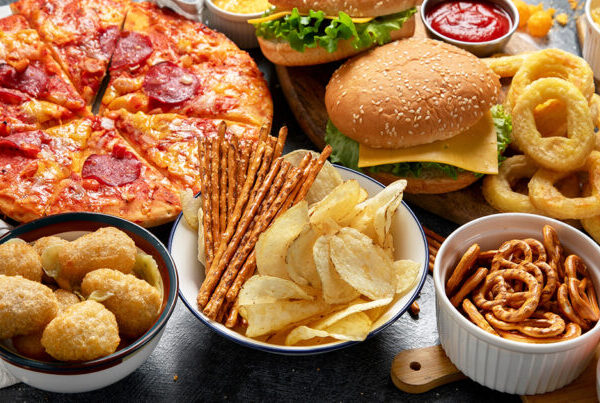
High-fat meals may initially be more difficult to digest. Without the gallbladder’s ability to release a larger amount of concentrated bile during meals, fat digestion can become less efficient immediately after surgery. Some individuals therefore experience loose stools, bloating, gas, or mild abdominal discomfort after eating particularly rich or greasy foods. These symptoms often improve gradually as the digestive system adapts over the following weeks or months.
Another possible short-term effect is bile acid diarrhea, which occurs when bile continuously entering the intestine irritates the colon. While this can be inconvenient, it is usually temporary and often improves with dietary adjustments. In cases where symptoms persist, healthcare professionals may recommend medications that help bind excess bile acids within the digestive tract.
Understanding these changes before surgery can help reduce anxiety and encourage realistic expectations about recovery. Although everyone heals at a different pace, most people eventually return to normal routines with few long-term dietary restrictions. Maintaining regular follow-up appointments, following postoperative instructions, and gradually reintroducing foods under medical guidance can all contribute to a smoother recovery and better digestive health.
Recovering from gallbladder removal is usually a gradual process, and every person’s experience can be slightly different. Factors such as age, overall health, the reason for surgery, and whether the procedure was performed laparoscopically or through open surgery may all influence recovery time. While many patients begin feeling better within a few days, others may need several weeks before returning to their normal routines. Following the instructions provided by the treating healthcare team remains one of the most important parts of a successful recovery.
One of the first adjustments after surgery involves eating. During the initial recovery period, healthcare providers often recommend beginning with clear liquids and easily digested foods before slowly adding more solid meals. This gradual approach allows the digestive system time to adapt while reducing the likelihood of nausea, bloating, or stomach discomfort. As recovery progresses, most people can expand their diet without significant long-term restrictions.
Although there is no single diet that every patient must follow after gallbladder removal, many experts recommend limiting foods that are especially high in fat during the first weeks after surgery. Fried foods, heavily processed meals, fatty cuts of meat, rich sauces, and large portions may temporarily increase digestive discomfort for some individuals. Choosing baked, grilled, steamed, or roasted foods instead may make digestion easier while the body continues adjusting.
Eating smaller meals throughout the day rather than a few very large meals may also help. Because bile now enters the small intestine continuously instead of being released in larger amounts during meals, smaller portions often allow fats to be digested more comfortably. Many people discover that spreading food intake over four or five smaller meals helps reduce bloating, fullness, or abdominal discomfort during recovery.
Fiber also plays an important role in digestive health, but increasing fiber too quickly may temporarily lead to gas or bloating. Healthcare professionals often recommend introducing fiber-rich foods gradually. Fruits, vegetables, whole grains, legumes, and oats provide dietary fiber that supports healthy bowel function while contributing important vitamins, minerals, and other nutrients needed for overall health.
Staying well hydrated is equally important, particularly for individuals who experience loose stools during the first weeks after surgery. Drinking adequate amounts of water throughout the day helps replace fluids lost through diarrhea and supports normal digestive function. Some people also find that clear broths or caffeine-free herbal teas are gentle options while recovering. Individuals with specific medical conditions should always follow hydration advice provided by their healthcare professionals.
Some foods and beverages may temporarily worsen digestive symptoms for certain people after surgery. These can include highly caffeinated drinks, very spicy meals, excessive amounts of sugar, alcohol, or high-fat dairy products. However, tolerance varies considerably from one individual to another. Rather than assuming that every food must be permanently avoided, many healthcare providers recommend gradually reintroducing foods while observing how the body responds.
For the majority of patients, digestion improves steadily over time. The liver continues producing bile every day, and the digestive system gradually adapts to the new pattern of bile flow. Many people eventually return to eating a balanced diet that includes moderate amounts of healthy fats without experiencing significant digestive problems. Others may choose to continue limiting particularly rich foods simply because they feel better doing so.
Regular physical activity may also contribute to recovery once approved by a healthcare provider. Gentle walking is often encouraged shortly after surgery because it promotes circulation, supports normal bowel function, and may reduce the risk of certain postoperative complications. As healing progresses, patients are generally able to return gradually to their normal exercise routines according to medical advice.
Maintaining a healthy body weight may also support long-term digestive health. Rapid weight gain and rapid weight loss have both been associated with an increased risk of gallstone formation before surgery. Although the gallbladder has been removed, adopting healthy eating habits and regular physical activity continues to provide important benefits for heart health, blood sugar control, liver function, and overall well-being.
It is also important to recognize situations in which medical evaluation should not be delayed after gallbladder surgery. Persistent or worsening abdominal pain, high fever, repeated vomiting, increasing redness or drainage around the incision sites, jaundice, chest pain, difficulty breathing, or severe dehydration should always be evaluated promptly by a qualified healthcare professional. While most recoveries proceed without major complications, early recognition of unexpected problems allows timely medical treatment when necessary.
Long-term studies have shown that most individuals who undergo gallbladder removal enjoy a good quality of life after recovery. Many people return to work, travel, exercise, and participate in everyday activities without major limitations. Although some individuals continue experiencing occasional digestive symptoms, these are often manageable through dietary adjustments or, when appropriate, additional medical guidance.
It is important to remember that digestive symptoms such as abdominal pain, nausea, diarrhea, or bloating are not always related to the gallbladder. Similar symptoms may be caused by a wide variety of gastrointestinal or other medical conditions. For that reason, individuals experiencing persistent or recurring digestive problems should seek evaluation from a qualified healthcare professional rather than attempting to diagnose themselves based on symptoms alone.
Ultimately, gallbladder removal represents a well-established treatment for several gallbladder disorders and has helped millions of people find relief from recurring pain and potentially serious complications. While the digestive system requires a period of adjustment after surgery, the liver continues performing its essential role of producing bile, allowing digestion to continue. By following medical advice, maintaining a balanced diet, staying physically active, and attending recommended follow-up appointments, most patients are able to resume healthy, active lives after recovery.

