Sleep is one of the most important biological processes for maintaining physical health, mental clarity, and emotional balance. While most people focus on how many hours they sleep, research shows that sleep quality is influenced not only by duration but also by posture. The position in which a person sleeps can affect breathing patterns, spinal alignment, circulation, digestion, and overall comfort. However, there is no universal sleeping position that is ideal for every individual, because human bodies respond differently based on anatomy, lifestyle, and health conditions.
Understanding sleep posture requires looking at how the body behaves when it is fully relaxed. During sleep, muscles loosen, gravity redistributes pressure, and the spine naturally seeks alignment. Because of this, even small changes in sleeping position can influence how rested a person feels upon waking. For some, side sleeping may feel natural and supportive, while for others, back sleeping or a combination of positions may be more comfortable over time.
The Role of Side Sleeping in Comfort and Body Alignment
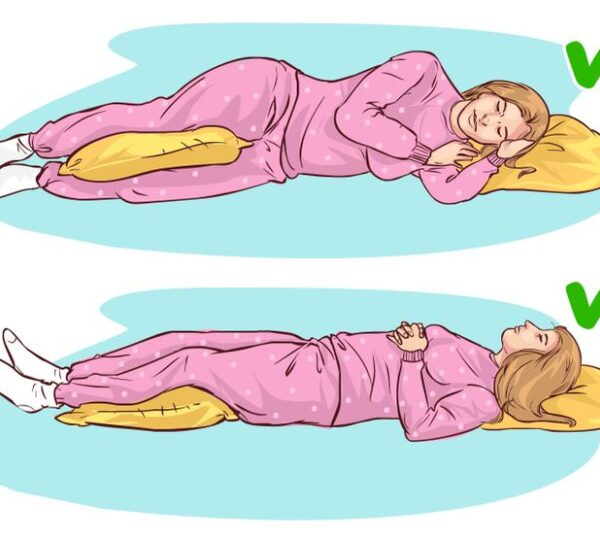
Side sleeping is one of the most common sleep positions worldwide. Many people naturally adopt this position because it allows the body to curl slightly, which can feel comforting and secure. When the body is supported properly, side sleeping can help maintain spinal alignment and reduce pressure on certain joints. Using a pillow between the knees can further improve hip alignment and reduce strain on the lower back.
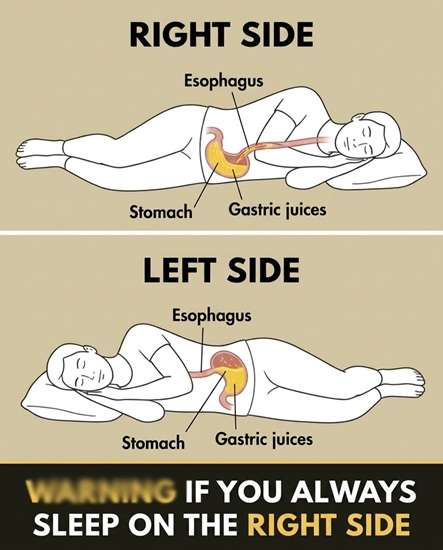
From a general physiological perspective, left-side sleeping is often discussed in relation to digestion. Some individuals report feeling less discomfort after meals when resting on their left side, possibly due to the way internal organs are positioned. However, this effect varies significantly from person to person and is not considered a strict medical rule for everyone.
Right-side sleeping can also be equally comfortable and beneficial depending on the individual. There is no strong scientific evidence suggesting that one side is universally superior to the other for all health outcomes. Instead, the key factor is whether the position allows the body to remain relaxed without creating pressure points or stiffness.
Back Sleeping and Spinal Support Considerations
Back sleeping is often associated with maintaining a neutral spinal position. When the head, neck, and spine are properly supported, lying on the back can help distribute body weight evenly across the mattress. This may reduce localized pressure points and support musculoskeletal relaxation.
However, back sleeping is not ideal for everyone. Some individuals may experience increased snoring or mild breathing difficulties in this position due to airway positioning. Others may find it difficult to remain comfortable for long periods without proper support for the neck and lower back.
To improve comfort in this position, sleep specialists often recommend using a pillow that supports the natural curve of the neck and ensuring that the mattress provides balanced support. Small adjustments like placing a pillow under the knees can also reduce lower back strain and improve alignment.

Stomach Sleeping and Its Potential Strain
Stomach sleeping is less commonly recommended compared to side or back sleeping, primarily because it can place additional strain on the neck and spine. When lying face down, the head is often rotated to one side for extended periods, which may lead to stiffness in the neck over time.
Additionally, this position can flatten the natural curve of the spine, potentially increasing pressure on the lower back. While some individuals may still prefer stomach sleeping due to habit or perceived comfort, it is generally considered less supportive for long-term spinal alignment.
That said, comfort remains subjective. Some people fall asleep more easily in this position, especially if they have used it for many years. In such cases, adjusting pillow height or using a thinner pillow may help reduce strain.
Why There Is No Single “Perfect” Sleep Position
One of the most important points in sleep science is that there is no universally perfect sleeping position. Human bodies differ in structure, flexibility, and health conditions. What feels comfortable and restorative for one person may feel uncomfortable for another.
Sleep is also a dynamic process. Most people naturally change positions multiple times throughout the night without realizing it. These movements help relieve pressure on specific areas of the body and promote better circulation. Because of this natural variability, focusing too rigidly on one position is often unnecessary.
Instead of searching for a “perfect” position, experts generally recommend focusing on consistency of comfort and quality of rest. If a person wakes up feeling refreshed, with minimal stiffness or discomfort, their sleeping position is likely suitable for their body.
The Importance of Sleep Environment and Support
While sleep position plays a role in comfort, external factors such as mattress quality, pillow support, and room environment are equally important. A supportive mattress helps maintain spinal alignment regardless of whether a person sleeps on their side, back, or a combination of positions.
Pillows are particularly important for maintaining neck alignment. A pillow that is too high or too low can create unnecessary strain, leading to discomfort over time. Side sleepers often benefit from firmer, thicker pillows, while back sleepers may require medium support to maintain a neutral position.
Environmental factors such as room temperature, noise levels, and lighting conditions also influence sleep quality. A cool, quiet, and dark environment tends to promote deeper and more restorative sleep, regardless of body position.
How to Identify the Best Sleep Position for Your Body
Rather than following strict rules, it is more practical to observe how your body responds to different sleep positions over time. Indicators such as morning stiffness, fatigue levels, or disrupted sleep can provide valuable insight into whether adjustments are needed.
If a person consistently wakes up feeling rested and free from pain, their current sleep position is likely working well. If discomfort is present, small changes such as adjusting pillow height, switching sides, or modifying mattress support may improve sleep quality.
It is also helpful to pay attention to patterns over several nights rather than focusing on a single experience. Sleep quality is influenced by many factors, and posture is only one part of a larger system.
Final Thoughts on Sleep Posture
Sleep position is an important but often misunderstood aspect of overall sleep health. While certain positions may offer advantages for specific individuals or conditions, there is no universal rule that applies to everyone. The human body is adaptable, and comfort remains the most reliable indicator of a suitable sleeping posture.
The most effective approach is to focus on awareness and gradual adjustment rather than strict rules. By observing how the body responds, improving sleep environment conditions, and prioritizing comfort, individuals can naturally discover the position that works best for them.
Ultimately, good sleep is not defined by a single posture but by the body’s ability to fully relax, recover, and restore energy during the night. When those conditions are met, sleep becomes truly restorative regardless of position.
