

Sid Krofft, a pioneering figure in American television and one half of the influential creative duo known as the Krofft brothers, remains widely recognized for reshaping children’s programming during the late 1960s and 1970s.
Born in Montreal, Quebec, Canada, Sid Krofft began his career in entertainment as a skilled puppeteer and stage performer, eventually developing a distinctive creative vision that emphasized imagination, color, and fantasy-driven storytelling.
Alongside his brother Marty Krofft, he helped build a production style that became instantly recognizable, combining surreal visuals, theatrical set designs, and unconventional characters aimed primarily at young television audiences.
The Krofft brothers first gained major attention in the late 1960s, when American television networks were expanding their Saturday morning programming blocks and searching for innovative content to engage children nationwide.

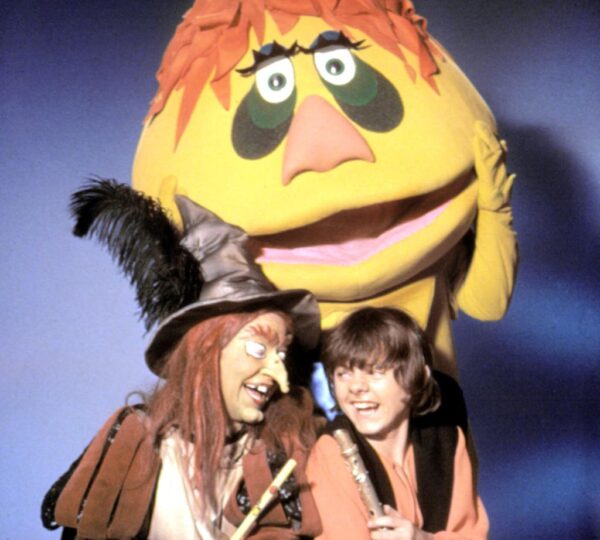
Their breakthrough came with H.R. Pufnstuf, a fantasy-driven live-action puppet series that premiered in 1969 and quickly developed a strong cult following among children and families.
The show followed a young boy who finds himself in a strange magical world, interacting with talking objects, whimsical creatures, and larger-than-life characters, all created through elaborate practical effects and costume work.
Despite its relatively short original run of 17 episodes, the series achieved long-term cultural impact through reruns and syndication, becoming a defining example of experimental children’s television of its era.
Its visual identity, characterized by bright colors, oversized sets, and surreal character design, became a signature of the Krofft production style and influenced later fantasy programming.
Following this success, Sid and Marty Krofft expanded their creative output with a series of ambitious television projects that continued to blend fantasy, science fiction, and comedy.
One of their most notable productions was Land of the Lost, which premiered in the 1970s and combined live-action storytelling with dinosaur creatures, time travel elements, and serialized adventure narratives.

The series stood out for its combination of educational storytelling and imaginative science fiction concepts, appealing to children while also maintaining a sense of serialized dramatic tension.
Another major success was The Banana Splits Adventure Hour, which featured costumed characters, musical performances, and sketch-style comedy segments designed for Saturday morning audiences.
This program became especially popular for its energetic tone and colorful presentation, helping define the visual and emotional style of children’s television during that decade.
The Krofft brothers also contributed to shows such as Sigmund and the Sea Monsters, which continued their tradition of blending fantasy storytelling with approachable moral lessons for younger viewers.
Another notable project, Electra Woman and Dyna Girl, showcased a playful take on superhero storytelling, highlighting strong female characters and parody elements within a comic-book inspired world.
Across all of these productions, Sid Krofft was widely regarded as the creative visionary responsible for the imaginative concepts, character designs, and surreal visual environments that defined the Krofft brand.
His brother Marty Krofft focused more heavily on the business, production logistics, and studio operations, creating a balanced partnership that allowed their creative ideas to be fully realized on screen.
Together, they developed a unique production identity often described as “Krofft-style fantasy,” which relied heavily on practical effects, puppetry, and theatrical staging rather than digital technology.
This approach gave their shows a distinctive physical presence, making them visually memorable even decades later as audiences continue to revisit classic television programming.
Over time, their work became an important part of American pop culture history, particularly for viewers who grew up watching Saturday morning television during the 1970s.
Many of their programs continued to air in reruns, introducing new generations to their unconventional storytelling style and reinforcing their influence on children’s media.
Industry colleagues and actors who worked with the Kroffts often described Sid as a deeply imaginative and encouraging creative force who valued originality and artistic risk-taking.
Former collaborators have frequently noted that his ideas were often unconventional, yet carefully constructed to maintain a sense of wonder and accessibility for younger audiences.

The Krofft productions also became known for featuring elaborate costumes and puppetry work, requiring large creative teams to bring their imaginative worlds to life on television sets.
Despite production challenges, the shows maintained a consistent visual identity that set them apart from other children’s programming of the time.
In later years, Sid Krofft continued to be recognized for his contributions to television history, receiving honors that acknowledged his long-standing impact on entertainment.
Among these recognitions was a Daytime Emmy Lifetime Achievement Award, which celebrated the Krofft brothers’ decades of influence in shaping children’s programming.
They also received a star on the Hollywood Walk of Fame, symbolizing their lasting contribution to American television culture and popular entertainment history.
Beyond awards, Krofft’s legacy is most strongly reflected in the continued cultural relevance of his shows, which remain frequently referenced in discussions about innovative television design.
Many media historians credit the Krofft brothers with pushing the boundaries of what children’s television could look like, especially in terms of creativity and visual experimentation.

Their work arrived during a period when television was rapidly expanding, allowing them to introduce bold new formats that differed significantly from traditional educational programming.
Sid Krofft’s creative philosophy centered on imagination-driven storytelling, where unusual characters and surreal environments were used to inspire curiosity and emotional engagement.
This philosophy helped shape a generation of viewers who grew up with programming that encouraged creativity and acceptance of unconventional narratives.
Even decades later, clips and references from Krofft productions continue to circulate in popular culture, often celebrated for their unique and nostalgic visual style.
Television historians frequently point to his work as an example of how children’s programming can blend entertainment with artistic experimentation.
His influence can also be seen in later fantasy and children’s shows that adopted similar approaches to world-building and character design.
While many details surrounding his later life are less publicly documented, his professional legacy remains firmly established within entertainment history archives.
Fans of classic television continue to revisit Krofft productions through reruns, streaming platforms, and retrospective documentaries exploring the golden age of Saturday morning TV.
These revisits often highlight the originality and ambition behind his work, emphasizing how unconventional ideas were brought to mainstream audiences.
The continued appreciation of his shows demonstrates the lasting emotional connection many viewers have with the imaginative worlds he helped create.
Sid Krofft’s contributions also highlight the importance of creative collaboration in television production, particularly between visionary design and practical execution.
His partnership with Marty Krofft is often cited as one of the most successful sibling collaborations in entertainment history.
Together, they created a body of work that remains influential in discussions about television innovation and children’s media development.
Their productions not only entertained audiences but also expanded the possibilities of visual storytelling within the constraints of 1970s television technology.
Today, Sid Krofft is remembered as a key figure in shaping the identity of American children’s television during a formative era.
His imaginative approach continues to inspire creators working in animation, fantasy storytelling, and children’s programming across modern platforms.
The legacy of his work is preserved not only in television archives but also in the memories of audiences who grew up with his shows.
Ultimately, Sid Krofft’s career represents a rare combination of creativity, innovation, and cultural impact that helped define a generation of television entertainment.
His influence remains visible in the ongoing appreciation of imaginative storytelling and the continued evolution of children’s programming worldwide.

