
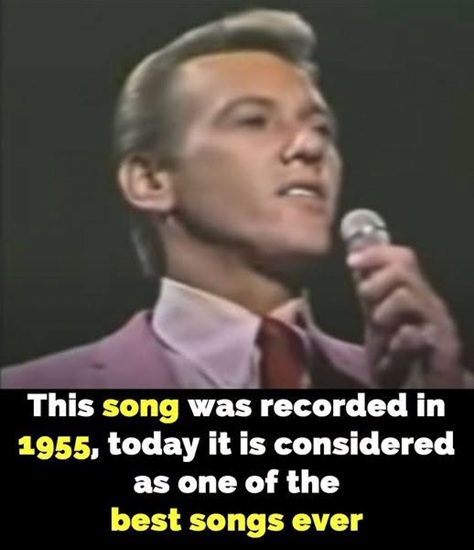
Few songs in modern music history have achieved the lasting popularity and emotional impact of “Unchained Melody.” More than half a century after it was first introduced to audiences, the ballad continues to touch listeners of every generation. Its unforgettable melody, heartfelt lyrics, and powerful vocal performances have made it one of the most recognizable love songs ever recorded. While countless musical trends have come and gone, Unchained Melody has remained a timeless classic that continues to be discovered by new audiences around the world through radio, streaming platforms, films, television, and live performances.
Its remarkable journey reflects not only the strength of the composition itself but also the extraordinary artists who helped keep it alive across decades. The song was written in 1955 by composer Alex North and lyricist Hy Zaret for the prison drama Unchained. Although many people mistakenly believe the title refers to the lyrics, the song actually takes its name from the film for which it was originally created.
Alex North composed the music specifically for the movie, while Hy Zaret wrote lyrics expressing longing, hope, and separation. The emotional theme centered on someone yearning to reunite with a loved one, making the song universally relatable. Its message of love, distance, and enduring devotion quickly resonated with audiences, helping it stand out from many other songs released during that era.

The very first recording of Unchained Melody was performed by Todd Duncan, an accomplished singer and actor known for his contributions to opera and musical theater. Duncan’s original interpretation introduced listeners to the song’s rich melody and emotional depth. Although his version received recognition at the time, the composition itself soon took on a life of its own.
Throughout the following decades, musicians from a wide range of genres recognized the beauty of the song and began recording their own interpretations. Today, music historians estimate that more than 670 versions of Unchained Melody have been recorded in multiple languages, making it one of the most frequently covered songs in popular music history.
While many respected performers contributed memorable interpretations, the version that permanently defined the song for millions of listeners arrived in 1965, when The Righteous Brothers released their recording. Featuring the extraordinary lead vocals of Bobby Hatfield, their performance transformed Unchained Melody into an international classic.
Hatfield’s remarkable vocal range, especially his soaring high notes near the song’s conclusion, became one of the defining moments in popular music. His emotional delivery conveyed both vulnerability and strength, allowing listeners to connect deeply with every lyric. Decades later, many music critics and fans continue to regard The Righteous Brothers’ recording as the definitive version of the song.
One reason the recording has endured for so many years is its ability to evoke genuine emotion without relying on elaborate production. The arrangement begins quietly, allowing the melody to unfold naturally before gradually building toward its unforgettable climax. Bobby Hatfield’s voice remains the central focus throughout the performance, supported by a restrained orchestral accompaniment that enhances rather than overwhelms the emotion. Music scholars often cite the recording as an example of exceptional vocal interpretation because every phrase feels sincere and carefully controlled. Rather than simply demonstrating technical ability, Hatfield conveyed the longing and hope embedded within the lyrics in a way that continues to resonate with listeners.
Over the years, Unchained Melody has found new life through countless appearances in films, television programs, documentaries, and public performances. One of its most famous modern revivals came after its prominent use in the 1990 film Ghost, introducing the classic ballad to an entirely new generation of listeners. The memorable pottery scene accompanied by The Righteous Brothers’ recording became one of the most recognizable moments in romantic film history. Following the movie’s release, the song once again climbed international music charts, proving that great music can transcend generations and remain relevant decades after its original release.
The emotional connection audiences feel toward Unchained Melody remains remarkably strong today. Millions of people continue streaming the song online, while videos featuring The Righteous Brothers’ performance regularly receive new comments from listeners discovering the recording for the first time. Many describe experiencing chills during Bobby Hatfield’s legendary high notes, while others recall personal memories connected to weddings, anniversaries, or loved ones. Fans frequently praise the sincerity of the performance, noting that its emotional power feels just as genuine today as it did when it was first recorded. This enduring response demonstrates the unique ability of timeless music to connect people across cultures, languages, and generations.
Although numerous artists have successfully recorded Unchained Melody, the song’s remarkable journey was far from over. Another legendary performer would eventually bring his own unforgettable interpretation to the classic ballad, introducing it to millions of additional fans and further cementing its place among the greatest love songs ever written.
While The Righteous Brothers created what many consider the definitive studio recording of Unchained Melody, another legendary artist helped introduce the song to even broader audiences. Elvis Presley, celebrated as one of the most influential performers in music history, added the ballad to his live concert repertoire during the final years of his career. Unlike The Righteous Brothers’ carefully produced studio version, Elvis approached the song with a deeply personal and emotional performance style. Sitting at the piano during many concerts, he delivered the lyrics with remarkable sincerity, allowing audiences to experience the song in an entirely new way. His interpretation reflected both his vocal maturity and his unique ability to connect emotionally with listeners.
One of Elvis’ most memorable performances of Unchained Melody took place in 1977, only weeks before his passing. Although his health had declined, many fans and music historians continue to praise the performance for its emotional honesty and powerful delivery. Rather than relying on vocal perfection, Elvis focused on expressing the meaning behind every lyric. His version demonstrated that great music is often defined not only by technical skill but also by genuine feeling. Decades later, the recording continues to receive millions of views online, with listeners describing it as one of the most moving performances of his career.
The enduring popularity of Unchained Melody can also be credited to its universal message. The lyrics speak about longing, hope, devotion, and the desire to reunite with someone deeply loved. These themes are timeless and easily understood regardless of language, culture, or generation. Whether performed during weddings, memorial services, concerts, or television specials, the song consistently evokes powerful emotions because nearly everyone has experienced separation, love, or longing at some point in life. This emotional universality explains why the song continues to resonate nearly seventy years after it was first written.
Over the decades, hundreds of artists have chosen to record Unchained Melody because its melody offers both simplicity and extraordinary emotional depth. Singers from pop, country, classical, gospel, jazz, and opera backgrounds have each brought their own interpretation while respecting the song’s original spirit. Despite these countless versions, listeners often return to the performances by The Righteous Brothers and Elvis Presley because each artist approached the song differently while preserving its emotional core. Bobby Hatfield’s soaring vocal range and Elvis Presley’s heartfelt live interpretation represent two distinct but equally memorable chapters in the song’s remarkable history.
Music critics have frequently highlighted the composition itself as one of the greatest strengths behind Unchained Melody. Composer Alex North created a melody that gradually builds in intensity, allowing singers to express increasing emotion as the song progresses. Meanwhile, lyricist Hy Zaret crafted words that remain poetic without becoming overly complicated. Together, the music and lyrics create a timeless combination that gives performers room to showcase both vocal ability and emotional interpretation. This balance has helped the song remain relevant through changing musical styles and evolving audience preferences.
The song has also enjoyed extraordinary success in popular culture. It has appeared in numerous films, television programs, talent competitions, documentaries, and tribute concerts across the world. Perhaps its most famous cinematic appearance came in the 1990 film Ghost, where The Righteous Brothers’ recording became closely associated with one of the movie’s most iconic scenes. Following the film’s release, interest in the song surged once again, introducing millions of younger listeners to a classic originally recorded decades earlier. Few songs have successfully crossed so many generations while maintaining their original emotional impact.
Today, digital streaming platforms and video-sharing websites continue to introduce Unchained Melody to entirely new audiences. Videos featuring both The Righteous Brothers and Elvis Presley attract millions of views every year, while comment sections are filled with stories from listeners who first heard the song through parents, grandparents, films, or live performances. Many describe listening to it during important moments in their lives, including weddings, anniversaries, reunions, and times of remembrance. Others simply admire the extraordinary vocal performances and timeless beauty of the melody. These personal connections demonstrate how deeply music can become woven into people’s lives across generations.
For aspiring singers, Unchained Melody remains one of the most challenging and rewarding songs to perform. Its demanding vocal range requires excellent breath control, emotional expression, and technical precision. Because of this, the song frequently appears on televised singing competitions and at music conservatories where vocalists seek to demonstrate both their artistry and vocal ability. Successfully performing the song requires much more than reaching its famous high notes; it demands genuine emotional storytelling from beginning to end.
Nearly seventy years after its creation, Unchained Melody continues to stand among the greatest love songs ever written. Its remarkable journey—from a motion picture soundtrack in 1955 to one of the most beloved ballads in music history—reflects the extraordinary power of timeless songwriting. Thanks to unforgettable interpretations by Todd Duncan, The Righteous Brothers, Elvis Presley, and hundreds of other artists, the song has never truly faded from public memory. Instead, each new generation discovers its beauty for the first time, ensuring that its legacy will continue for many years to come. Today, Unchained Melody remains a lasting symbol of love, hope, longing, and the enduring emotional connection that great music can create across generations.

