
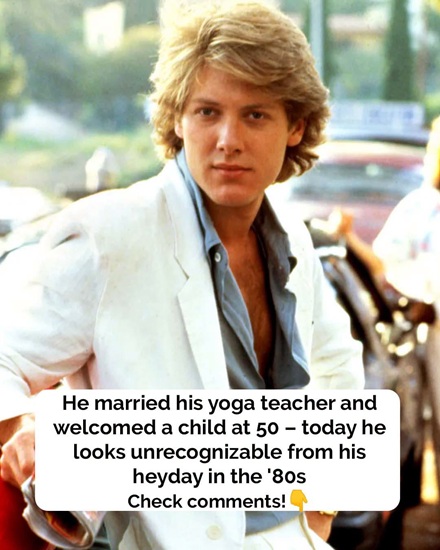
For more than four decades, James Spader has built one of the most respected careers in Hollywood without ever chasing celebrity status. While many actors of his generation embraced constant publicity, red-carpet appearances, and social media attention, Spader chose a completely different path. He became known for his remarkable acting ability, unforgettable screen presence, and commitment to keeping his personal life almost entirely private.
Even today, fans continue to admire not only his performances but also the discipline and authenticity that have defined his life away from the cameras. As the beloved actor celebrates his 65th birthday, many are looking back on the extraordinary journey that transformed him from an ambitious teenager into one of the most distinctive actors of his generation. Born on February 7, 1960, in Boston, Massachusetts, James Todd Spader grew up in a family that valued education above almost everything else.
Both of his parents worked as teachers, and his two older sisters also eventually became educators. Many assumed James would naturally follow the same academic path. Instead, from an early age, he developed a fascination with storytelling, performing, and creative expression. Although he attended several respected private schools, including the prestigious Phillips Academy, Spader realized that his true passion lay elsewhere. At just 17 years old, he made the bold decision to leave school before graduating and move to New York City to pursue acting full time—a choice that carried significant risk but ultimately changed the course of his life.
Like many aspiring actors, Spader did not achieve success overnight. Before landing meaningful acting roles, he supported himself through a variety of ordinary jobs. Over the years, he worked as a bartender, taught yoga classes, drove a meat delivery truck, loaded railroad freight cars, and even worked as a stable hand caring for horses. These experiences helped shape the discipline and work ethic that would later become hallmarks of his professional career. Rather than viewing those jobs as setbacks, Spader has often acknowledged that they allowed him to continue pursuing auditions while developing a deeper understanding of people from many different walks of life.
One of those early jobs unexpectedly influenced his personal life as well. While teaching yoga, Spader met Victoria Kheel, who was also a certified yoga instructor. Their friendship gradually developed into a romantic relationship, and after spending nearly a decade together, the couple married. They eventually welcomed two sons and spent many years building a quiet family life away from Hollywood’s constant attention. Even as Spader’s career began gaining momentum, he consistently prioritized his family and resisted the temptation to embrace the celebrity lifestyle that surrounded many actors during the 1980s.
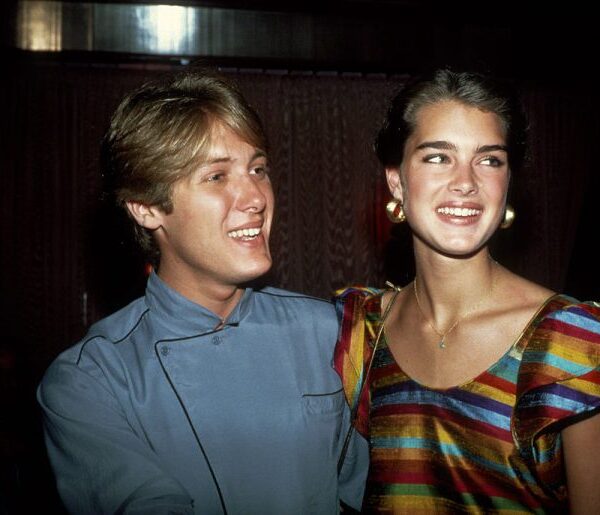
Spader’s first significant film appearance came in 1981 when he appeared in the romantic drama Endless Love, starring Brooke Shields. Although his role was relatively small, it introduced audiences and filmmakers to a young actor with remarkable screen presence. Over the following years, he accepted numerous television and film roles while continuing to refine his craft. His major breakthrough arrived in 1986 with the enormously popular teen film Pretty in Pink, directed by Howard Deutch and written by John Hughes. Playing the wealthy, arrogant Steff McKee, Spader created one of the decade’s most memorable antagonists. Although audiences loved to dislike his character, critics praised the performance for bringing complexity and confidence to what could easily have become a one-dimensional role.
Rather than allowing himself to become permanently associated with teen movies, Spader deliberately sought challenging roles that demonstrated his versatility. In 1989, he starred in Sex, Lies, and Videotape, the independent drama directed by Steven Soderbergh. The film became an international success and won the prestigious Palme d’Or at the Cannes Film Festival. Spader himself received the Best Actor Award at Cannes for his subtle and psychologically complex performance. The recognition established him as one of Hollywood’s most talented dramatic actors and opened the door to a wide variety of sophisticated film projects throughout the following decade.
The momentum continued with films such as White Palace, where he appeared opposite Academy Award-winning actress Susan Sarandon, followed by memorable performances in Bad Influence, True Colors, Stargate, Crash, and several other productions that showcased his willingness to portray unconventional and morally complicated characters. Rather than choosing predictable leading-man roles, Spader repeatedly gravitated toward characters who were intelligent, mysterious, emotionally conflicted, or deeply flawed. That willingness to take creative risks helped distinguish him from many of his contemporaries and earned him lasting respect within the entertainment industry.

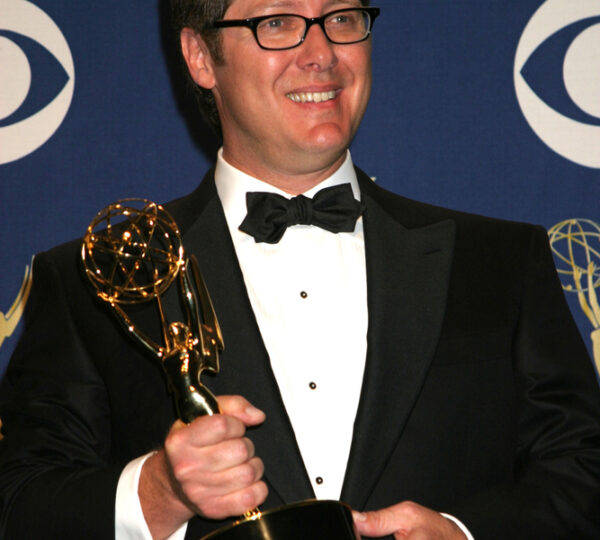
Although Spader enjoyed considerable success in film, many television viewers know him best for his unforgettable portrayal of attorney Alan Shore. Introduced during the final season of The Practice before becoming one of the central characters on Boston Legal, Alan Shore quickly became one of television’s most celebrated legal characters. Brilliant, witty, compassionate, and morally ambiguous, Shore allowed Spader to combine dramatic intensity with sharp comedic timing. His performance received overwhelming praise from critics and audiences alike, earning him three Primetime Emmy Awards for Outstanding Lead Actor in a Drama Series, along with nominations for the Golden Globe Awards and Screen Actors Guild Awards. The role remains one of the defining achievements of his remarkable career.
What makes Spader’s success especially unusual is that he achieved it while largely avoiding the celebrity culture that often surrounds Hollywood stars. Unlike many actors who actively sought media attention, he consistently kept his private life away from public view. In interviews, Spader has explained that he believes fame should never become more important than the work itself.
He has often stated that actors can choose how much of their personal lives they share, and he deliberately chose to maintain strong boundaries between his professional career and his family. That philosophy has remained remarkably consistent throughout more than forty years in the entertainment industry and continues to distinguish James Spader as one of Hollywood’s most private and respected performers.

