
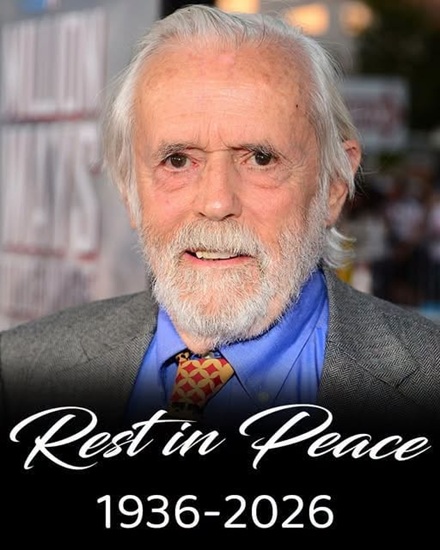
The American film industry is mourning the loss of veteran actor Matt Clark, whose career spanned more than six decades and included memorable performances in some of Hollywood’s most respected films and television productions. Clark passed away at the age of 89, leaving behind a remarkable legacy built not on celebrity headlines but on consistency, professionalism, and extraordinary talent. Although he was rarely the leading man, audiences recognized him instantly whenever he appeared on screen.
His performances brought authenticity to every production he joined, earning him admiration from directors, fellow actors, and generations of moviegoers who appreciated his ability to make every character feel genuine. Born on November 25, 1935, in Washington, D.C., Clark developed an interest in acting at a young age. Before pursuing a professional career in entertainment, he served in the United States Army, an experience that helped shape the discipline and work ethic that colleagues would later praise throughout his acting career.
After completing his military service, he dedicated himself to studying acting and gradually began finding opportunities in television and film during the 1960s. Like many actors of his generation, his path to success required patience, determination, and years of steadily building experience rather than achieving instant fame. Clark first established himself through appearances in numerous television series during an era when Westerns and crime dramas dominated American television.
Throughout the 1960s and 1970s, viewers saw him in popular programs including Gunsmoke, Bonanza, The Virginian, The F.B.I., Ironside, and many other successful series. Each appearance demonstrated his remarkable versatility. Whether portraying a sheriff, rancher, outlaw, soldier, or ordinary citizen, Clark approached every role with sincerity and careful attention to detail. Directors appreciated his reliability because they knew he would always arrive fully prepared and deliver believable performances regardless of the size of the role.
His reputation continued to grow as Hollywood increasingly recognized him as one of the industry’s finest character actors. Rather than pursuing fame for its own sake, Clark concentrated on selecting meaningful projects where he could contribute to the overall story. Fellow actors frequently commented that he possessed the rare ability to strengthen every scene simply through his natural presence. Even when speaking only a few lines, he communicated emotion through subtle expressions, body language, and perfectly measured delivery. Those qualities made him a favorite among filmmakers who valued realism and authenticity over flashy performances.
Among Clark’s most respected work were his numerous appearances in classic Western films, a genre that perfectly suited his rugged screen presence. He appeared in acclaimed productions such as Pat Garrett and Billy the Kid and The Outlaw Josey Wales, two films that remain highly regarded within American cinema. Unlike many Western characters portrayed as simple heroes or villains, Clark’s performances reflected the complexity of real people living in difficult circumstances. His characters often displayed strength, vulnerability, wisdom, and quiet dignity simultaneously, helping audiences connect emotionally with stories rooted in American history and frontier life.
Although Westerns became an important part of his career, Clark demonstrated impressive versatility across many different genres. He appeared in dramas, thrillers, crime films, science fiction, and comedies, adapting naturally to each new role. One of his most widely recognized appearances came in Back to the Future Part III, where he contributed to one of the most beloved film trilogies in cinema history. While his role was supporting rather than central, his presence became another example of how he consistently elevated every production through professionalism and believable character work. Many fans who revisit the film today immediately recognize his familiar face.
Over the course of his career, Clark accumulated more than 120 film and television credits, an extraordinary achievement that reflects both his longevity and the trust directors placed in his abilities. Unlike actors whose careers rise and fall with changing trends, Clark remained steadily employed because producers knew exactly what he would deliver: dependable performances, complete preparation, and unwavering commitment to the story being told. His career became an example of how lasting success in Hollywood is often built through consistency rather than constant publicity.
Away from movie sets, Clark lived a life that reflected the same values he brought to his profession. Friends often described him as practical, hardworking, and deeply committed to his family. Rather than embracing the glamorous Hollywood lifestyle often associated with the entertainment industry, he preferred a quieter existence centered on meaningful relationships and personal integrity. According to those who knew him well, he even built his own home, demonstrating the same patience and craftsmanship that characterized his acting career. Those qualities earned him enormous respect among colleagues who admired both his professional achievements and his personal character.
Throughout the decades, Clark also formed lasting friendships within the film industry. Unlike many Hollywood relationships that fade once productions end, his friendships often lasted for decades. Fellow actors remembered him as someone who remained loyal, supportive, and generous long after cameras stopped rolling. Younger performers frequently sought his advice because of his wealth of experience and calm, encouraging demeanor. Many who worked alongside him have spoken about the kindness and humility he showed everyone on set, regardless of their position or level of experience.
As news of Matt Clark’s passing spread, tributes began arriving from fellow actors, filmmakers, and longtime fans who remembered not only his impressive body of work but also the quiet professionalism that defined his entire career. While audiences may remember him from different films and television shows, the common thread throughout every tribute has been admiration for an actor who consistently placed storytelling above personal fame. His remarkable career serves as a reminder that some of Hollywood’s greatest contributions come from performers whose dedication, authenticity, and craftsmanship quietly enrich every production they touch.
While Matt Clark may never have sought the level of celebrity enjoyed by many leading actors, his influence on American film and television is undeniable. Throughout a career that stretched across more than sixty years, he became one of those rare performers whose face audiences instantly recognized, even if they could not immediately recall every title in which he appeared. That familiarity was earned through decades of consistently excellent work rather than publicity campaigns or headline-making controversies. Every appearance reflected his dedication to believable storytelling and his respect for both the audience and the profession of acting itself.
Many filmmakers valued Clark because they knew he required very little direction once he fully understood a character. He carefully studied every script, paying close attention to the relationships between characters and the emotional purpose of each scene. Rather than trying to dominate the screen, he focused on supporting the overall story. Directors frequently praised his ability to create fully developed characters regardless of how much screen time he received. His professionalism allowed productions to move smoothly, while his performances often added emotional depth that could not be found on the written page alone.
One reason Clark remained so respected throughout Hollywood was his remarkable versatility. During different stages of his career, he portrayed lawmen, military officers, judges, ranchers, fathers, business owners, politicians, doctors, and countless ordinary people facing extraordinary circumstances. Whether appearing in an intense dramatic scene or providing quiet moments of humor, he adapted naturally to every role. That flexibility allowed him to work alongside multiple generations of actors while remaining relevant as filmmaking styles evolved from the 1960s into the twenty-first century.
Although younger audiences may know him best from Back to the Future Part III, longtime movie lovers remember his contributions across a much broader range of productions. His performances in classic Westerns demonstrated a deep understanding of American history and frontier culture, while his appearances in crime dramas, thrillers, and television series showcased his impressive range. Regardless of genre, Clark approached every project with the same level of commitment. He never treated supporting roles as less important, believing that every character contributed to the authenticity of the story being told.
Colleagues often described Clark as someone who valued preparation above everything else. Before filming began, he spent considerable time understanding his character’s motivations, background, and personality. That careful preparation gave his performances an effortless quality that audiences appreciated, even if they never realized how much work occurred behind the scenes. Fellow actors frequently noted that sharing scenes with Clark made their own performances stronger because his natural reactions encouraged genuine emotional exchanges rather than rehearsed dialogue. His quiet excellence elevated everyone around him.
Away from Hollywood, Clark remained devoted to the values that had guided him throughout his life. Friends described him as humble, dependable, and deeply loyal to those closest to him. Despite spending decades in one of the world’s most famous industries, he avoided unnecessary attention and rarely discussed his accomplishments. Instead, he preferred spending time with family, maintaining lifelong friendships, and enjoying simple pleasures outside the entertainment world. Those who knew him personally often remarked that the kindness audiences saw reflected in many of his characters closely resembled the man himself.
As news of his passing spread, countless fans revisited scenes from his remarkable career, celebrating the performances that had quietly become part of American popular culture. Many expressed gratitude for the consistency he brought to every production, noting that his presence always added credibility and emotional weight. Social media quickly filled with tributes from viewers who realized just how many memorable films and television shows included Matt Clark somewhere in their cast. His career became a reminder that lasting artistic impact is not measured only by leading roles but also by the countless moments that help make great stories unforgettable.
Film historians have also emphasized Clark’s importance as one of Hollywood’s finest character actors. While leading stars often receive the greatest public recognition, character actors provide the foundation that allows films to feel believable. Clark mastered that role throughout his career, bringing authenticity to every project regardless of budget or genre. His performances demonstrated that true acting is not about attracting attention but about serving the story honestly and convincingly. That philosophy earned him lasting admiration from filmmakers and audiences alike.
Perhaps the greatest tribute to Matt Clark is the extraordinary body of work he leaves behind. More than 120 film and television appearances continue to introduce new generations of viewers to his remarkable talent. Every performance reflects the same dedication, professionalism, and respect for storytelling that defined his career from beginning to end. Long after today’s headlines fade, those films and television series will continue preserving his legacy, allowing audiences to appreciate the quiet brilliance that made him one of Hollywood’s most dependable performers.
Although the entertainment industry has lost one of its most respected veterans, Matt Clark’s influence will endure through every scene he helped bring to life. His career serves as a powerful reminder that genuine success is built through integrity, consistency, humility, and unwavering dedication to one’s craft. Future actors will continue studying the performances he left behind, while movie lovers will continue discovering the authenticity that made his work so memorable. His life stands as an example that true greatness does not always arrive with fanfare—it is often found in decades of honest work, quiet professionalism, and an enduring commitment to excellence.

