
Many people choose how they sleep based only on what feels comfortable, without considering that body position during sleep may have subtle effects on digestion. Although sleep is often seen as a resting state, the body remains active throughout the night, continuing essential processes such as digestion, acid regulation, and tissue repair. For individuals who experience digestive sensitivity, these nighttime processes can sometimes be influenced by posture.
When lying down, the body no longer benefits from gravity in the same way it does during standing or sitting. This change in orientation can affect how stomach contents remain in place. For most healthy individuals, this is not noticeable, but for those who are prone to acid reflux, sleep position can sometimes play a role in how comfortable the night feels. Understanding the Connection Between Anatomy and Acid Movement.
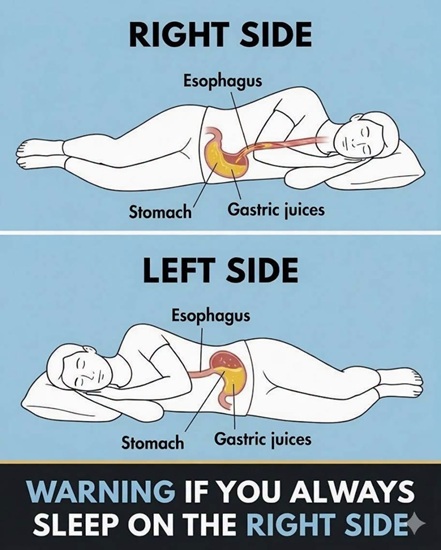
The human stomach has a natural shape and sits in a specific position relative to the esophagus. Because of this anatomical arrangement, body posture may influence how easily stomach contents remain contained. When a person lies on their right side, some physiological conditions may allow stomach acid to sit closer to the lower esophageal sphincter, which is the muscle responsible for preventing backflow.
In people who are sensitive to gastroesophageal reflux, this positioning may make symptoms more noticeable during the night. However, it is important to understand that this does not mean the position is harmful in general. The effects depend heavily on individual health, digestion patterns, and lifestyle habits.
Left-Side Sleeping and Its Possible Benefits
Sleeping on the left side is often discussed in relation to digestive comfort because of how gravity interacts with stomach positioning in that posture. In this position, the stomach may sit in a way that helps reduce the likelihood of acid moving upward toward the esophagus.
While this is commonly referenced in medical discussions and observational studies, it should not be viewed as a cure or guaranteed solution for acid reflux. Instead, it is considered a supportive habit that may help reduce discomfort for some individuals. Many people who experience mild reflux symptoms report better sleep quality when adjusting their position, but results are not universal.
Right-Side Sleeping and General Health Perspective
For most healthy individuals, sleeping on the right side is completely normal and does not cause any medical problems. The human body naturally changes positions multiple times during sleep, often without conscious awareness. These movements help distribute pressure and maintain circulation.
However, for individuals who already experience reflux or digestive discomfort, certain positions may feel less comfortable during nighttime hours. This is often due to existing sensitivity rather than the sleeping position being harmful on its own.
Common Nighttime Symptoms Related to Reflux
People who experience acid reflux often report symptoms that become more noticeable when lying down. These may include a burning sensation in the chest, a sour taste in the mouth upon waking, irritation in the throat, or coughing during the night.
In some cases, these symptoms can also contribute to disrupted sleep, leading to tiredness or reduced energy during the following day. The severity of these symptoms can vary widely depending on diet, lifestyle, and individual digestive sensitivity.
How Eating Habits Affect Nighttime Digestion
One of the most important factors influencing nighttime reflux is meal timing. Eating large or heavy meals shortly before lying down can increase the likelihood of discomfort. This happens because the digestive system is still actively processing food when the body is in a horizontal position.
Many health professionals recommend allowing a gap between eating and sleeping, often around two to three hours. This gives the body time to begin digestion before lying down. In addition, certain foods such as fried meals, spicy dishes, chocolate, caffeine, and alcohol are known to contribute to reflux symptoms in some individuals.
Lifestyle Factors That Can Support Digestive Health
Beyond sleep position and diet, several lifestyle factors may influence digestive comfort. Body weight, for example, can affect abdominal pressure, which in turn may impact how easily stomach contents remain in place. Maintaining a balanced and healthy lifestyle is often recommended to support overall digestive function.
Another commonly suggested strategy is elevating the upper body during sleep. This can be done using specialized pillows or by slightly raising the head of the bed. This position uses gravity to help reduce the likelihood of acid moving upward during the night.
When Medical Attention May Be Necessary
Occasional heartburn or mild reflux is relatively common and not always a cause for concern. However, when symptoms become frequent or persistent, it may be important to seek medical advice. Ongoing discomfort, difficulty swallowing, chest pain, or unexplained changes in health should be evaluated by a healthcare professional.
This is important because symptoms of acid reflux can sometimes overlap with other medical conditions. Proper diagnosis ensures that any underlying issues are identified and managed appropriately.
Understanding the Role of Body Awareness
Paying attention to how the body responds to different habits can be helpful in managing comfort during sleep. Some individuals may notice improvements by making small adjustments, such as changing sleeping position or modifying evening meal habits.
However, it is also important to recognize that every body is different. What works well for one person may not produce the same results for another. This variability highlights the importance of observing personal responses rather than relying on a single universal solution.
A Balanced View on Sleep and Digestive Health
Rather than focusing on one “perfect” sleeping position, it is more accurate to consider sleep posture as one part of a larger lifestyle picture. Digestive health is influenced by multiple factors, including diet, timing of meals, physical health, and daily habits.
For individuals experiencing mild symptoms, experimenting with sleep positions may provide helpful insights. For those with ongoing or severe discomfort, professional medical guidance remains the most reliable approach.
In the end, improving sleep quality and digestive comfort is often about small, consistent changes rather than one major adjustment. Awareness of how the body reacts can help individuals make informed decisions that support better rest and overall well-being.

