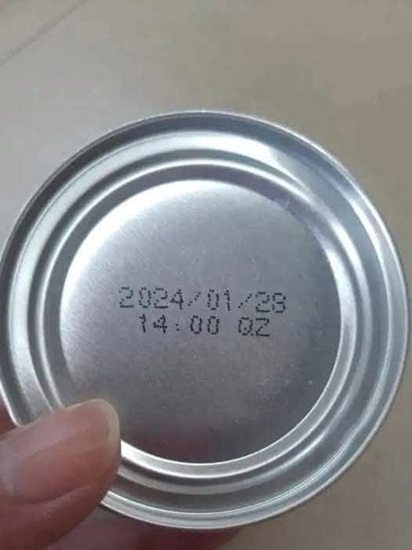
In everyday life, many people rely heavily on the dates printed on food packaging when deciding whether a product is still safe to eat. It is common to see items in the fridge or pantry and immediately assume they must be thrown away once the printed date has passed. However, food safety is more complex than a simple number on a label. These dates are not always strict indicators of safety, but are often related to quality, freshness, and inventory management rather than an exact expiration point.
Understanding the difference between “Best Before,” “Use By,” and “Sell By” is essential for making informed decisions. These terms are not interchangeable, and each one serves a different purpose in the food system. Misinterpreting them can lead to unnecessary food waste, which is a significant global issue.
The label “Best Before” generally refers to quality rather than safety. It indicates the period during which the product is expected to be at its best in terms of taste, texture, and appearance. After this date, the food may slowly lose some of its optimal qualities, but it is often still safe to consume if it has been stored properly and shows no signs of spoilage. Dry foods such as pasta, rice, crackers, and canned goods often remain usable well beyond their “Best Before” date.
In contrast, “Use By” dates are more closely related to food safety. These are typically found on highly perishable foods such as fresh meat, fish, and dairy products. After the “Use By” date, the risk of harmful bacterial growth increases, especially if the food has not been stored at the correct temperature. For this reason, it is generally recommended to follow “Use By” dates more strictly, particularly for high-risk foods.
The “Sell By” label is primarily intended for retailers rather than consumers. It helps stores manage stock rotation and ensures that products are sold while still in optimal condition. In many cases, food can still be safely consumed days or even weeks after the “Sell By” date, depending on the type of product and how it has been stored. Unfortunately, many consumers misinterpret this label as an expiration warning, leading to unnecessary disposal of food.
Proper food storage plays a far more important role in safety than the printed date alone. Temperature control, hygiene, and storage conditions all significantly affect how long food remains safe and edible. For example, a product stored incorrectly at room temperature may spoil before its labeled date, while properly refrigerated food may remain safe beyond it.
Household refrigerators should generally be kept at or below 4°C (around 40°F) to slow bacterial growth effectively. Keeping food sealed properly, avoiding cross-contamination, and maintaining cleanliness in storage areas are all essential practices that contribute more to food safety than simply relying on printed dates.
Many dry and packaged foods have a much longer shelf life than people assume. Items such as canned foods, rice, pasta, flour, and sealed snacks can often remain safe for consumption long after their “Best Before” date. While their quality may gradually decline, they do not automatically become unsafe. In many cases, the main changes involve texture or flavor rather than health risks.
Dairy products, however, require more caution. Milk, yogurt, and soft cheeses are more sensitive to temperature changes and bacterial growth. While they may sometimes remain usable shortly after the “Use By” date if stored correctly, this depends heavily on proper refrigeration and handling. Sensory checks such as smell and appearance can help, but they should be used carefully and not relied on exclusively for high-risk foods.
Eggs are another product often misunderstood. In many cases, eggs can remain safe for several weeks beyond the printed date if kept refrigerated. Their freshness can sometimes be assessed using simple methods, such as placing them in water—fresh eggs tend to sink, while older eggs may float due to natural changes inside the shell over time.
Bread is frequently discarded prematurely as well. While it may become stale a few days after purchase, it often remains safe to eat unless mold is present. Mold growth, however, is a clear sign that bread should be discarded immediately, as it can spread beyond what is visible and may produce harmful compounds.
One of the biggest global problems related to food consumption today is food waste. A significant portion of food discarded by households is still edible. This often happens because of confusion about date labels and a lack of understanding of actual food spoilage signs. Food waste not only has economic consequences for households but also environmental impacts, as producing food requires water, energy, and land resources.
A more practical approach to food safety involves combining label awareness with common sense and proper storage practices. Sensory evaluation—such as checking smell, appearance, and texture—can be useful in many cases, especially for low-risk foods. However, caution is always necessary for high-risk items like raw meat, seafood, and ready-to-eat chilled products, where bacterial growth may not always be visible.
Freezing is one of the most effective methods for extending food shelf life. It slows down microbial activity and preserves food quality for long periods. Many foods can be safely frozen and later thawed for use, which helps reduce waste and improves household efficiency.
In conclusion, food date labels are helpful guidelines but not absolute indicators of safety in all cases. Understanding the difference between quality-based dates and safety-based dates allows consumers to make better decisions, reduce unnecessary waste, and use food more efficiently. With proper storage, awareness, and basic knowledge of spoilage signs, many foods can remain safe and usable beyond the printed dates, contributing to both household savings and a reduction in global food waste.
