
When The Partridge Family premiered on ABC in September 1970, few could have predicted that it would become one of the defining television series of the decade. Blending family comedy with catchy pop music, the show followed widow Shirley Partridge and her five children as they traveled across the country performing as a family band. Its colorful bus, upbeat songs, and warm humor made it an instant favorite among audiences of all ages. Although the series aired for only four seasons, its influence on popular culture has endured for more than half a century.
One reason for the show’s success was its unique combination of music and storytelling. Unlike many sitcoms of its era, The Partridge Family featured original songs that were released commercially and became genuine chart successes. The fictional band’s biggest hit, “I Think I Love You,” reached the top of the Billboard Hot 100 and introduced millions of listeners to David Cassidy’s distinctive voice. The success of the music demonstrated that audiences connected not only with the television characters but also with the performances themselves.
Although the Anderson family was fictional, the concept behind the series drew inspiration from the real-life musical family The Cowsills, whose popularity during the late 1960s helped inspire producers to develop a television series centered on a family band. Rather than casting the actual members of The Cowsills, producers created an entirely new fictional family with its own personalities and stories. This decision allowed writers greater creative freedom while still capturing the excitement surrounding family musical groups during that period.
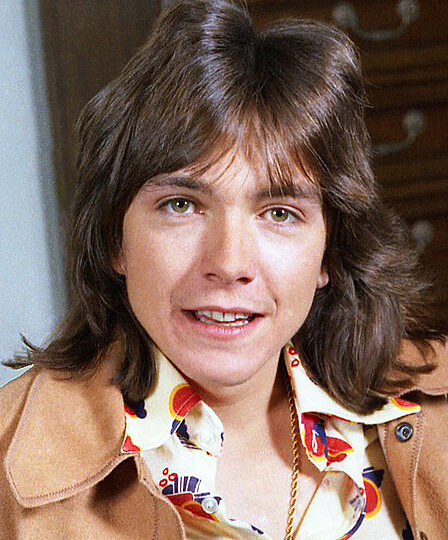
Another interesting fact concerns the show’s music production. Actress Shirley Jones, already an Academy Award winner before joining the series, was originally expected to be the primary vocalist. However, producers soon recognized David Cassidy’s vocal ability after hearing demonstration recordings. Cassidy’s performances impressed music producer Wes Farrell, who decided to feature him as the group’s lead singer. That decision helped transform Cassidy from a promising young actor into one of the biggest teen idols of the early 1970s.
David Cassidy’s popularity soon reached extraordinary levels. Newspapers, television programs, and magazines documented what became known as “Cassidymania,” as thousands of fans gathered wherever he appeared. In later interviews, Cassidy reflected on how overwhelming that attention became, explaining that he eventually stopped going out in public because the crowds had grown so large. While the admiration brought enormous career opportunities, he also acknowledged that living under constant public attention became emotionally exhausting.
Cassidy’s journey to becoming the show’s lead vocalist was not immediate. Before receiving the role of Keith Partridge, he had already appeared in dramatic television series including Bonanza and Ironside. Even after being cast in the sitcom, he was required to audition separately for producer Wes Farrell to demonstrate that he could successfully perform the music that would become such an important part of the program. His successful audition changed both his own career and the musical identity of the series.
Another memorable member of the cast was Danny Bonaduce, who portrayed Danny Partridge. Bonaduce has spoken publicly about having dyslexia while also possessing an exceptional memory that allowed him to memorize not only his own dialogue but often the lines of other cast members as well. His quick wit and energetic personality became central to the show’s comedic style, making Danny one of television’s most recognizable child characters during the early 1970s.
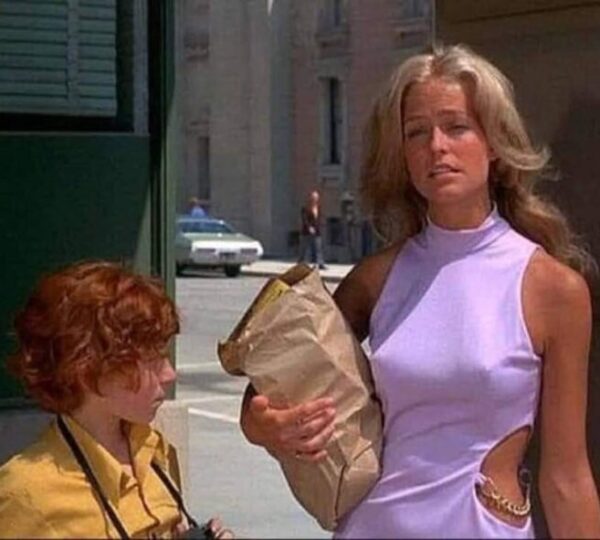
Bonaduce later recalled that the show’s success dramatically changed his childhood. Instead of experiencing a typical adolescence, he found himself traveling extensively, meeting public officials, entertainers, and musicians, and participating in promotional events around the world. In interviews, he has described those years as extraordinary while also recognizing that growing up in the public eye created experiences very different from those of most children his age.
David Cassidy also faced significant financial challenges despite his enormous popularity. Early in his career, his original contract did not provide royalties from many commercial uses of his image and music. After legal advisers reviewed the agreement, it was renegotiated, allowing Cassidy to receive compensation more consistent with his growing success. His experience has since become one of several well-known examples illustrating why stronger contractual protections for young performers are important within the entertainment industry.
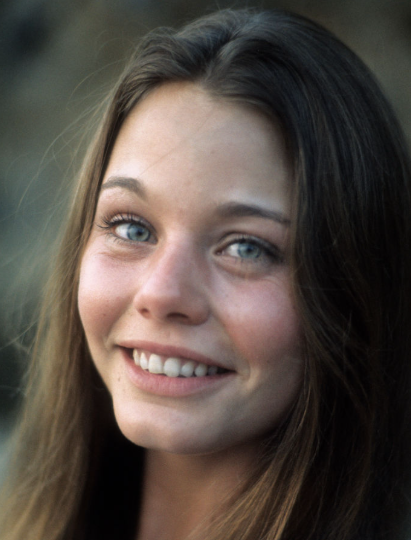
Among the show’s breakout stars was Susan Dey, who portrayed Laurie Partridge despite having relatively little acting experience before being cast. Producers discovered her while searching for fresh talent, believing that her natural presence fit the character perfectly. During the early production period, because she was still a minor, she lived with a guardian who helped supervise both her education and her responsibilities while filming. Her performance quickly established her as one of television’s most popular young actresses of the decade.
While The Partridge Family projected a cheerful and optimistic image on television, several cast members later spoke openly about the personal challenges that accompanied early fame. Susan Dey has discussed struggling with an eating disorder during her younger years and has also acknowledged that she often felt insecure about her acting during the first season of the series. In interviews, she explained that she placed significant pressure on herself to improve her performances and sometimes found it difficult to relax in front of the cameras. Her openness has contributed to broader conversations about the pressures young performers can experience while working in the entertainment industry.
Following the conclusion of The Partridge Family in 1974, Susan Dey focused on expanding her acting career beyond the role that had first made her famous. She later earned widespread critical acclaim for portraying Grace Van Owen on the legal drama L.A. Law, a performance that brought her numerous award nominations and a Golden Globe Award. Although she occasionally discussed her years on The Partridge Family, she generally preferred concentrating on new professional opportunities rather than revisiting her earlier television success.
Over the years, fans often wondered why Dey rarely participated in reunion specials celebrating the series. Shirley Jones wrote in her memoir that she was disappointed Dey generally declined reunion appearances, while also acknowledging that each cast member made personal decisions about how they wished to remember that period of their lives. Dey herself indicated in earlier interviews that adjusting to the realities of television production had been challenging during her youth, suggesting that her experiences behind the scenes were more complicated than audiences may have realized.
Shirley Jones brought considerable experience to the series long before becoming television’s beloved Shirley Partridge. Already an Academy Award winner for Elmer Gantry, she served as an important mentor to many of the younger cast members throughout the production. In her autobiography, Jones reflected warmly on much of the cast and crew while also sharing candid opinions about certain guest stars and professional experiences. Her recollections provide valuable historical insight into the production of one of television’s most recognizable family sitcoms.
One of the enjoyable aspects of revisiting classic television is discovering small production details that originally passed unnoticed. Like many series produced during the early 1970s, The Partridge Family occasionally included continuity errors and behind-the-scenes moments that attentive viewers later identified. Fans have pointed out examples such as dialogue inconsistencies in the pilot episode, visible studio set limitations, and production shortcuts involving props and special effects. These minor mistakes have become part of the program’s lasting charm rather than diminishing its popularity.
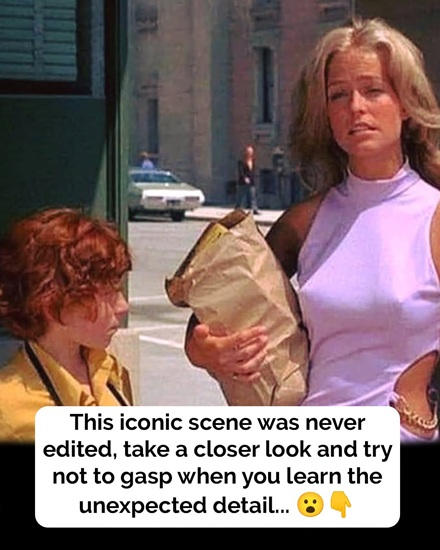
The show also featured appearances by several performers who would later become major Hollywood stars. Farrah Fawcett appeared during the first season before achieving worldwide fame through Charlie’s Angels. Jaclyn Smith and Cheryl Ladd, who would each later become members of the Charlie’s Angels cast, also appeared in separate episodes. Looking back, these guest appearances offer an interesting glimpse at performers early in their careers before they achieved international recognition.
David Cassidy’s life after The Partridge Family included continued success as a recording artist, stage performer, and concert attraction. At the same time, he publicly acknowledged struggling with alcohol dependence later in life. In 2017, Cassidy initially announced that he believed he had dementia after experiencing memory difficulties during performances. However, shortly before his death, he explained publicly that he did not have dementia and stated that advanced liver disease related to alcohol use had been responsible for many of his health problems. His willingness to clarify his diagnosis helped correct widespread public misunderstanding surrounding his condition.
David Cassidy passed away on November 21, 2017, at the age of 67, due to complications related to liver failure. Following his death, his daughter, Katie Cassidy, shared that one of his final reflections had been, “So much wasted time.” Her public message encouraged people to appreciate their loved ones and express gratitude while they still have the opportunity. Those words resonated with many admirers who had followed Cassidy’s career for decades and viewed them as a reminder of the importance of family, forgiveness, and making the most of the present.
More than fifty years after its premiere, The Partridge Family continues to attract new generations of viewers through television reruns and streaming services. Its memorable songs, family-centered storytelling, and talented cast have ensured its place among the most enduring sitcoms of the 1970s. At the same time, the personal stories shared by cast members have provided audiences with a fuller understanding of the realities that sometimes exist behind successful television productions. Their experiences remind us that fame often brings opportunities as well as significant personal challenges.
Today, the legacy of The Partridge Family extends beyond its music and comedy. It represents an important chapter in television history while also highlighting the remarkable careers of performers such as Shirley Jones, David Cassidy, Susan Dey, and Danny Bonaduce. Their individual journeys demonstrate that lasting success is measured not only by popularity on screen but also by resilience, personal growth, and the ability to continue inspiring audiences long after the final episode has aired.

