
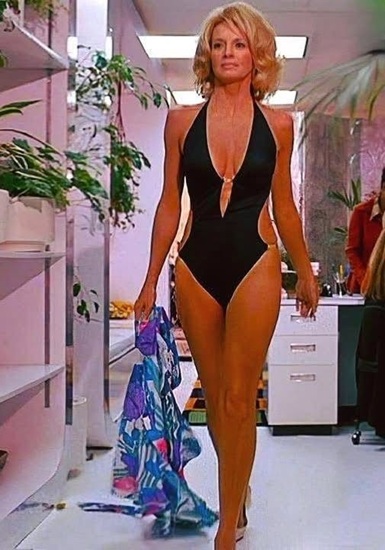
Angie Dickinson, one of the most recognizable American actresses from Hollywood’s classic era, built a long and respected career across both film and television. Born in 1931, she emerged during the 1950s as a rising talent, gradually gaining attention for her screen presence, expressive acting style, and ability to portray both glamorous and strong-willed characters. Over time, she became one of the defining faces of mid-20th-century American entertainment.
In her early years, Dickinson appeared in a range of television anthology programs and supporting film roles that helped her develop experience and visibility in the industry. Her breakthrough came with the film Rio Bravo in 1959, where she performed alongside some of Hollywood’s most established actors. This role significantly raised her profile and opened the door to more leading opportunities in the following decade.
As her career continued, she became known for playing confident and independent female characters, which stood out during a period when such roles were less common in mainstream Hollywood productions. Her performances often carried a sense of strength and emotional depth, which helped her connect with audiences and maintain steady popularity throughout the 1960s and 1970s.
A major milestone in her career was her leading role in the television series Police Woman. The show became widely successful and played an important role in shaping how female law enforcement officers were portrayed on television. At the time, it was considered groundbreaking, as it placed a woman at the center of a police drama in a leading investigative role.
The series also helped influence public perception of women working in law enforcement and other traditionally male-dominated fields. Dickinson’s performance was widely praised for its balance of toughness and emotional realism, making her character both relatable and inspirational to many viewers. The success of the show further solidified her place in television history.
Behind the scenes, Dickinson worked during a time when television production schedules were demanding and often intense. Leading actors in weekly series were required to maintain a consistent workload, with long filming hours and rapid production cycles. Despite these challenges, she remained a central figure in the success of the show and maintained her professional reputation.
Outside of her acting career, Angie Dickinson’s life has often drawn public interest due to her presence in Hollywood during its most influential decades. However, much of her personal life has been documented through verified interviews and biographies, and it is important to distinguish confirmed facts from speculation. What is well established is her long career and her impact on the entertainment industry.
She was married to renowned composer Burt Bacharach, and together they had a daughter, Nikki Bacharach, born in 1966. Nikki faced serious health challenges throughout her life, including developmental and vision-related conditions that required long-term care and support. These circumstances deeply affected Dickinson’s personal life.
In 2007, Nikki Bacharach passed away at the age of 40. Her death was confirmed as a suicide following years of ongoing mental and physical health struggles. This loss was a profoundly difficult moment for Dickinson and her family, and it marked a tragic chapter in their private lives. It also highlighted the emotional realities that can exist behind public figures.
As time passed, Angie Dickinson gradually reduced her professional appearances and stepped away from regular acting work. Like many performers from her generation, she transitioned into a quieter life after decades in the spotlight. Although she is no longer active in the entertainment industry, her past work continues to be widely recognized and appreciated.
Her legacy remains strong due to her contributions to both film and television. Classic movies, reruns, and historical reviews of television continue to showcase her performances to new audiences. Film historians often highlight her as an important figure in the development of strong female leads in American television drama.
It is also worth noting that in her later years, Dickinson has chosen to maintain a private lifestyle away from media attention. As a result, most reliable information available today focuses on her career achievements rather than her personal day-to-day life. This privacy is common among many long-retired Hollywood actors.
Overall, Angie Dickinson’s story is best understood through her professional achievements rather than speculation. Her work in Hollywood helped define a generation of television storytelling, and her performances remain part of American entertainment history. She is remembered not only for her fame but also for her lasting influence on how women were represented on screen.
In conclusion, her legacy reflects a long and meaningful career shaped by dedication, talent, and cultural impact. From her early film appearances to her iconic television success, she remains an enduring figure in Hollywood history whose contributions continue to be studied and appreciated today.

