
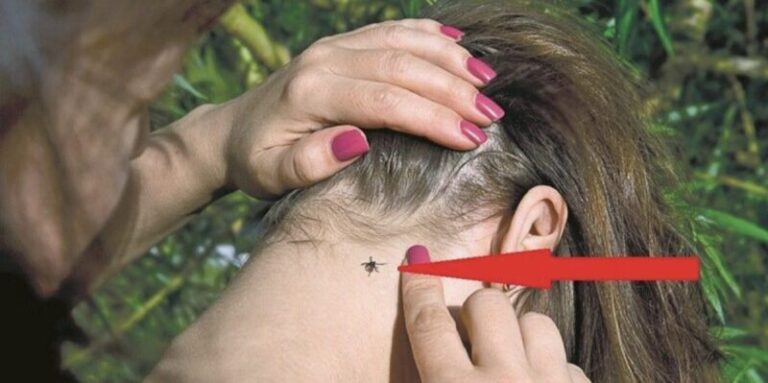
Spending time outdoors is widely recognized as beneficial for both physical health and mental well-being. Activities such as hiking, walking through forests, gardening, or simply relaxing in green spaces allow people to reconnect with nature. However, these environments are also home to a variety of small organisms, including ticks, which are part of natural ecosystems across many regions of the world. Ticks are very small arachnids that survive by feeding on the blood of animals or humans.
They are most commonly found in grassy, wooded, or bushy areas where they wait for a passing host. Because of their size and slow movement, they can attach to skin or clothing without being immediately noticed, which is why awareness plays an important role in outdoor safety. Ticks are often considered a minor outdoor concern, but in some regions they can carry bacteria or pathogens that may cause illnesses such as Lyme disease or other tick-borne infections.
While not every tick carries disease, the potential risk makes prevention and early detection important. Health experts emphasize that the likelihood of infection increases the longer a tick remains attached. This is why awareness, regular checks, and proper removal techniques are commonly recommended. Understanding the risk does not mean avoiding nature, but rather being better prepared when spending time outdoors.
How People Typically React to Tick Encounters
When someone finds a tick attached to their skin or clothing, the reaction is often immediate concern. Many people feel uncertainty about how long the tick has been attached, whether it poses a health risk, and how to safely remove it. This reaction is natural and reflects a lack of familiarity with tick behavior.
In most cases, proper removal using safe techniques and cleaning the area afterward is recommended. However, the emotional response is often heightened because ticks are associated with disease concerns. This is why many individuals focus on prevention strategies to reduce the likelihood of encountering ticks in the first place.
Natural and Traditional Approaches to Outdoor Protection
Across different cultures and generations, people have developed natural methods to make outdoor environments more comfortable. These methods often involve the use of plants, herbs, or essential oils that are believed to influence insect behavior. One commonly used example is lavender oil, which is known for its strong fragrance and calming properties.
Some individuals use lavender oil or similar natural substances as part of their outdoor preparation routine. These practices are often based on tradition or personal preference rather than strict scientific proof. While many people enjoy using them, it is important to understand that they are not guaranteed methods of tick prevention.
Essential Oils and Their Role in Personal Practices
Essential oils such as lavender, eucalyptus, peppermint, and lemongrass are widely used in natural wellness routines. They are valued for their strong scents and are often incorporated into sprays, diluted mixtures, or applied to clothing in small amounts. Many people prefer them because they provide a pleasant fragrance and align with natural lifestyle choices.
However, scientific evidence regarding their effectiveness against ticks is limited and not fully conclusive. While some studies suggest that certain plant-based compounds may have repellent properties, they should not be relied upon as the sole method of protection. Instead, they are best used as a complementary part of a broader prevention strategy.
Safe Use of Natural Substances
When using essential oils, safety is an important consideration. These oils are highly concentrated and should generally not be applied directly to the skin without proper dilution. A common practice is to mix them with a carrier oil or water before use, or to apply them lightly to clothing instead of skin.
It is also recommended to perform a patch test before widespread use, especially for individuals with sensitive skin or allergies. This helps reduce the risk of irritation or unwanted reactions. Responsible use ensures that natural methods remain safe and comfortable during outdoor activities.
Proven Methods for Reducing Tick Exposure
In addition to natural approaches, there are well-established preventive measures recommended by health authorities. Wearing long sleeves, long pants, and closed-toe shoes can significantly reduce skin exposure in tick-prone areas. Light-colored clothing is often suggested because it makes ticks easier to detect.
Avoiding tall grass, dense vegetation, and leaf litter can also reduce the likelihood of contact. Staying on clear trails and paths when hiking is another effective strategy. These physical precautions are considered among the most reliable ways to reduce tick exposure risk.
Importance of Post-Outdoor Checks
One of the most effective habits for tick prevention is performing a full body check after spending time outdoors. Ticks often take time before attaching firmly, which means early detection can greatly reduce potential risk. Common areas to check include behind the knees, underarms, waistline, scalp, and around the ears.
Changing clothes and washing them after outdoor activities is also recommended. Showering soon after returning indoors can help remove ticks that have not yet attached. These simple routines are widely advised by health organizations and are considered an important part of tick prevention.
Combining Awareness with Everyday Habits
Tick prevention is most effective when it becomes part of a consistent routine. Simple habits such as checking clothing, avoiding high-risk areas, and being aware of surroundings can significantly reduce exposure. These steps do not require special tools and can easily be integrated into daily outdoor activities.
Many people choose to combine practical prevention methods with natural approaches for personal comfort. While natural options may enhance the outdoor experience, they are most effective when used alongside proven safety measures. This balanced approach allows individuals to feel more confident and prepared.
Outdoor Safety as a Continuous Practice
Outdoor safety is not a one-time action but an ongoing practice. Conditions in nature change depending on season, location, and environment, which means awareness must also remain flexible. Ticks are more active during certain periods of the year, particularly in warmer months, which increases the importance of preventive habits during those times.
Understanding seasonal risk patterns can help individuals make informed decisions about outdoor activities. This does not require avoiding nature, but rather adjusting behavior based on conditions. Awareness and preparation work together to reduce unnecessary risk.
Enjoying Nature with Confidence
Nature offers many benefits, including relaxation, exercise, and mental clarity. With proper awareness and preparation, individuals can continue to enjoy outdoor spaces without unnecessary worry. The goal of tick prevention is not to create fear, but to support safe and comfortable experiences in natural environments.
By combining simple habits, protective clothing, and mindful awareness, people can reduce exposure risk while still enjoying outdoor activities fully. Confidence in outdoor safety comes from knowledge and preparation rather than avoidance.
Ticks are a natural part of many ecosystems, but their presence does not need to prevent people from enjoying the outdoors. Awareness, prevention, and simple habits form the foundation of effective protection. Natural approaches, such as essential oils, may be used as personal preference, but they should not replace proven preventive methods.
A balanced combination of clothing choices, environmental awareness, and post-outdoor checks provides the most reliable protection. By applying these practical steps, individuals can safely enjoy nature while minimizing exposure risk and maintaining peace of mind.

