
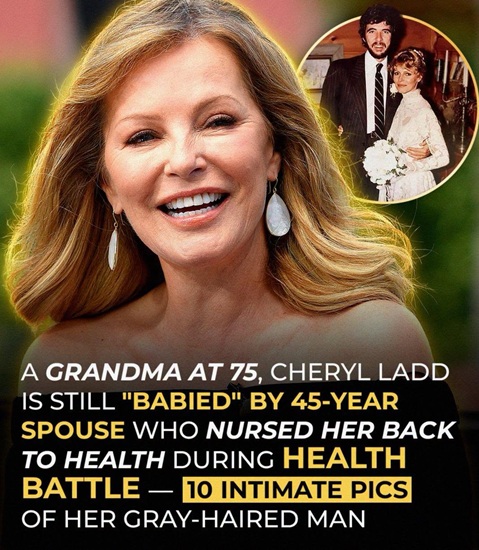
Cheryl Ladd is still best known to millions of viewers for playing Kris Munroe on Charlie’s Angels, but her life after the series has been shaped by much more than one famous television role. Over the decades, she has built a long acting career, raised a family, become a grandmother, and shared more than forty years of marriage with music producer Brian Russell. Their relationship began during a complicated period in her personal life and was initially met with criticism.
Instead of allowing that pressure to define them, however, the couple gradually built a partnership that survived career changes, family adjustments, and major health challenges. Ladd has repeatedly said that friendship became the strongest thread holding their marriage together. Before marrying Russell, Ladd had been married to actor and producer David Ladd. The couple wed in 1973 and welcomed their daughter Jordan in 1975. Cheryl’s career was growing rapidly during those years, especially after she joined Charlie’s Angels in 1977.
The demanding production schedule placed enormous pressure on her personal life. By 1980, Cheryl and David had divorced, leaving her to balance a major television career with the responsibilities of motherhood. Brian Russell had already been connected to the family socially before his relationship with Cheryl became romantic. That background contributed to the criticism surrounding their early relationship. Their romance developed soon after Cheryl’s separation from David, and entertainment media focused heavily on the circumstances.
Russell later said that the couple was “dragged through the mud” during that period. Rather than pushing them apart, however, he said the criticism made them depend on each other more closely. Cheryl and Brian married in 1981. At the time, no one could have known that the relationship would eventually last for decades. Early coverage concentrated on controversy, but over time the marriage became defined by something much quieter: daily partnership. Ladd later described Russell as strong, self-aware, and stabilizing. She said he helped create balance in a life that had often been dominated by long hours and public attention.
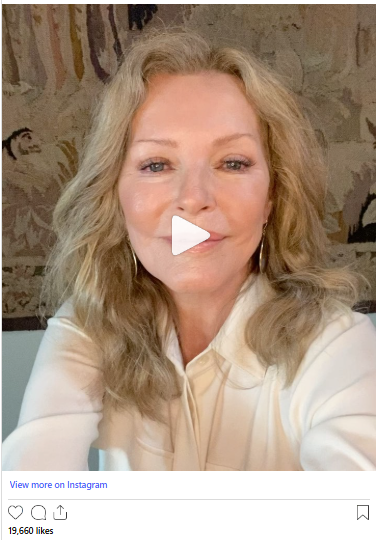
Their relationship also became a professional partnership. Russell had experience as a music producer, and he became involved in several projects connected to Cheryl’s post-Charlie’s Angels career. After the television series ended in 1981, Ladd worked deliberately to expand beyond the glamorous image associated with Kris Munroe. She pursued dramatic roles, television movies, music projects, and other opportunities that allowed audiences to see different sides of her abilities.
One of those projects was Grace Kelly, the television movie in which Ladd portrayed the actress who became Princess of Monaco. The role gave her an opportunity to move into more dramatic material after years on an action-oriented series. She also appeared in Kentucky Woman, another project that allowed her to explore a very different character. Russell supported these professional transitions and was involved behind the scenes in some of her work.
Their collaboration extended into music as well. Ladd had been a singer before becoming widely known as an actress, and she continued recording during and after Charlie’s Angels. Russell contributed to her music and helped guide parts of that creative work. For Ladd, working with her husband did not create the sense that they were spending too much time together. She said she enjoyed sharing long professional days with someone she loved.
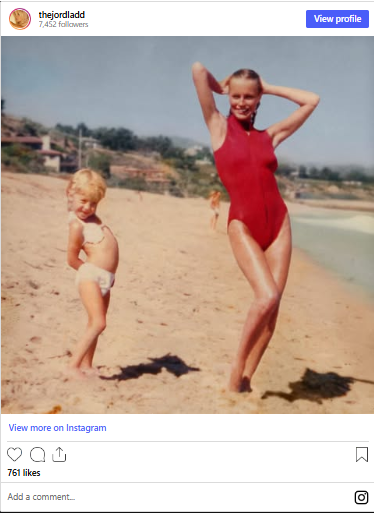
That ability to combine work and marriage became one of the strengths of their relationship. They did not need every project to be shared, but they were comfortable collaborating when it made sense. Ladd later emphasized that they respected each other’s need for personal space and creative independence. That balance allowed them to remain partners without losing individual identities.
The marriage also created a blended family. Cheryl brought Jordan into the relationship, while Brian had a daughter, Lindsay, from his previous marriage to singer Brenda Russell. The girls grew up spending time together and eventually developed a close sister-like relationship. Ladd never suggested that forming a blended household happened without difficulty. Instead, she acknowledged that combining families involved strong emotions, adjustments, and occasional mistakes.
Over time, those early challenges gave way to a stable family structure. Jordan and Lindsay became important parts of Cheryl and Brian’s life, and both remained close to them as adults. The blended family eventually expanded again when grandchildren arrived. Ladd has spoken warmly about the role family has played in her life, often describing it as more important than career accomplishments alone.
Jordan later followed her mother into acting. Ladd said she did not feel especially worried about that choice because Jordan had grown up with a realistic understanding of the entertainment business. Unlike Cheryl, who had moved to California as a young woman without the same insider knowledge, Jordan had seen the realities of acting from childhood. She understood both the opportunities and the insecurity that can come with the profession.
The two women eventually worked together, including on the Lifetime film The Christmas Contract. Ladd later described the experience as especially meaningful because it gave them extended time together after years of living separate adult lives. She said their relationship had evolved into a close friendship. Rather than constantly giving Jordan advice, Cheryl could simply enjoy working beside her.
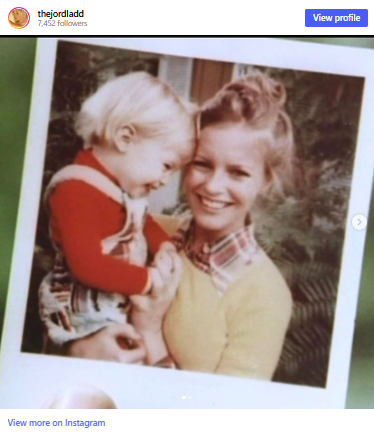
Ladd has also spoken about how difficult Jordan found her parents’ divorce as a child. Like many children in blended families, Jordan had to adjust to changes she did not choose. Over time, however, the relationship between mother and daughter grew stronger. Ladd has said they became best friends who could talk openly, laugh together, and share adult experiences without the old tensions dominating the relationship.
The transition to an empty nest created another emotional change for Cheryl. Once both daughters were grown and living independently, the house suddenly became much quieter. Ladd described having mixed feelings about that change. Part of her deeply missed the girls, while another part enjoyed the new freedom she and Brian had as a couple. Her humorous description of that period showed how family life can involve both loss and opportunity at the same time.
Through all of those changes, friendship remained central to her marriage. In interviews years later, Ladd said she and Brian had started as friends and still considered friendship the foundation of their bond. She described their later years together as a particularly enjoyable chapter. The relationship had survived public criticism, professional pressure, raising children, and changing priorities.
By 2022, Ladd was still expressing the same idea. She said she and Brian remained “madly in love” but also continued to be friends. She praised his creativity and writing and emphasized that both of them understood the importance of allowing the other person time and space for individual work. That mutual respect appeared to matter as much as romance.
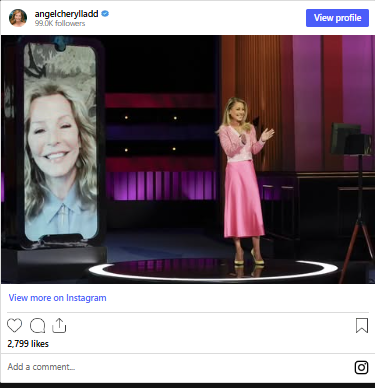
Brian’s creative interests expanded beyond music. Ladd publicly praised his writing and his book The Marble Sea. Her comments reflected the same mutual encouragement he had offered her throughout her career. Their relationship did not revolve only around supporting Cheryl’s fame. She also celebrated the projects that mattered to him.
The couple’s long marriage was later tested by a far more serious challenge. In April 2026, Ladd publicly revealed that she had been diagnosed with breast cancer several years earlier. She made the disclosure during events surrounding the 50th anniversary of Charlie’s Angels. Until then, the diagnosis and treatment had largely remained private.
Ladd said the cancer was discovered after she noticed a lump in her left breast. When she told Brian, he urged her to contact a doctor immediately. She later recalled that he was extremely insistent about taking the situation seriously. His reaction helped move the process forward quickly rather than allowing her to wait and hope the lump would disappear.
A biopsy confirmed breast cancer. Ladd described it as an aggressive form of the disease, and treatment began rapidly. She underwent oral chemotherapy and radiation. The process affected her physically and emotionally. She lost her hair and eyelashes and later described the experience as humbling.
Throughout treatment, Brian became a hands-on caregiver. Ladd said there were periods when she had very little appetite and continued losing weight. Russell prepared simple foods, encouraged her to eat, and tried to help her maintain her strength. She specifically remembered him making things like tomato soup when eating anything at all felt difficult.
Those small acts became some of the most important parts of her recovery experience. Ladd said Brian “babied” her through the hardest periods and worked to keep her from becoming too thin. He cooked, stayed close, encouraged her, and offered physical affection when she was exhausted. Looking back, she said the experience confirmed for her that she had married the right person.
Jordan and Lindsay also became deeply involved. Ladd said both daughters visited, prayed for her, and supported her throughout treatment. The blended family that had required years of adjustment in the beginning now functioned as a united support system during one of the most difficult periods of Cheryl’s life.
Her former Charlie’s Angels co-stars Jaclyn Smith and Kate Jackson also understood the diagnosis on a personal level because both had previously faced breast cancer themselves. That shared experience strengthened a friendship that had already lasted for decades. Ladd described the bond among the three women as a sisterhood that had survived far beyond the television series.
Smith helped in practical ways during treatment. Ladd said Smith sent her wigs while she was losing her hair and offered options of different lengths as it eventually began growing back. The gesture reflected a friendship grounded in shared history but also in very real understanding of what cancer treatment could involve.
Jackson had her own history with breast cancer and could relate to the fear and uncertainty surrounding diagnosis. The three actresses had originally become famous together through a television show built around glamour and action. Decades later, they were connected by something far more serious and personal.
The public learned about Ladd’s cancer journey at the 2026 PaleyFest celebration marking 50 years of Charlie’s Angels. The event reunited Ladd, Smith, and Jackson and gave them an opportunity to reflect on the show’s cultural impact. It also gave Ladd a setting where she felt comfortable discussing what she had gone through privately.
By the time she revealed the diagnosis, Ladd said she was cancer-free. She continued to undergo regular medical monitoring, including mammograms. Her public comments focused strongly on the importance of paying attention to changes in the body and seeking medical care rather than ignoring them. She did not present her experience as a universal treatment model, because breast cancer cases differ widely.
Her message was simple and personal. If someone notices an unusual lump or another concerning change, they should contact a medical professional. Ladd’s own experience had begun with noticing something unfamiliar and then acting quickly. Brian’s insistence that she seek care immediately became an important part of the story she later told.
Her faith also remained meaningful during treatment. Ladd has publicly spoken for years about being a Christian and turning to prayer during difficult periods. She has described faith as a source of emotional strength and comfort. That personal belief existed alongside medical care rather than replacing it.
The distinction matters. Ladd underwent chemotherapy, radiation, biopsies, and ongoing monitoring. At the same time, she said she leaned on her faith emotionally. Both were part of her individual experience, but the medical treatment was handled by healthcare professionals.
The cancer journey added new meaning to the way Ladd had described Brian decades earlier. In the early years of their marriage, she had called him a stabilizing presence. More than forty years later, she was describing him in almost the same way after a serious illness. The circumstances had changed dramatically, but the quality she valued in him remained consistent.
That continuity is striking because their marriage began under such intense scrutiny. Early headlines focused on how the relationship started and on Brian’s previous friendship with David Ladd. Those details once seemed central to the story. After more than four decades, they became only a small part of a much larger history.
The marriage eventually had to handle problems no gossip column could have predicted. Raising children in a blended family required patience. Both partners needed room for individual careers. The daughters grew up and left home. Aging brought different priorities. Then serious illness tested the relationship in an entirely new way.
No marriage survives that amount of time simply because of the excitement surrounding its beginning. Ladd’s own explanation has consistently focused on friendship, mutual respect, creativity, and the ability to support each other through change. She never claimed that marriage was effortless. She simply said that having the right partner made difficult periods easier to face.
The same realistic approach appears when she talks about family. She has openly acknowledged that blended families can be complicated. People bring existing relationships, loyalties, routines, and emotions into the new household. Parents make mistakes. Children need time to adjust. Bonds develop gradually.
The eventual closeness of Jordan and Lindsay shows what that gradual process can produce. They were children from two previous relationships who eventually became a family. Decades later, both were supporting Cheryl during cancer treatment. That outcome says more about the family they built than an unrealistic story of instant harmony ever could.
Ladd’s career also continued steadily while these personal changes unfolded. After Charlie’s Angels, she worked in television movies, feature films, stage productions, and guest roles. The role of Kris Munroe remained the one most audiences recognized immediately, but it did not define every stage of her professional life.
She continued acting into her seventies. Later credits included Christmas Unwrapped, A Cowgirl’s Song, and A Christmas for the Ages. She also appeared in dramatic television series and other projects that reflected a career spanning decades rather than a brief period of fame.
That longevity gave Ladd a different perspective on the intense attention she received when she was younger. Being labeled a sex symbol during the 1970s was something she found uncomfortable. She saw herself not only as a glamorous actress but also as a wife, mother, singer, and working professional. Public images often captured only one part of who she was.
As she grew older, she became more comfortable talking about those contradictions. Fame had brought tremendous opportunities, but it also made balancing marriage and motherhood more difficult. Long filming days and public pressure contributed to the strain on her first marriage. Ladd has described success as something that could be both exciting and difficult at the same time.
That experience may also explain why balance became so important during her second marriage. After Charlie’s Angels, she had more flexibility and could spend more time with family. She no longer had the same relentless 14-hour production days that had characterized part of her earlier career. More time at home allowed her to develop relationships that did not revolve around television schedules.
The quieter parts of life became increasingly valuable. Family dinners, home projects, writing, traveling, and ordinary time together mattered alongside professional accomplishments. Ladd and Russell continued finding creative projects, but career was no longer the only organizing principle of their lives.
Their later move away from the intensity of Hollywood reflected some of that shift. Recent reporting has described them living in Texas, far removed from the paparazzi attention that surrounded their early marriage. What began as a relationship under constant scrutiny became a much more private long-term partnership.
The difference between those two periods is significant. Celebrity coverage tends to focus heavily on beginnings: new romances, breakups, weddings, and controversy. Most of a marriage, however, happens after public interest moves elsewhere. It is built through years of routines and decisions that never become headlines.
Ladd and Russell’s story illustrates that clearly. The early scandal lasted for a relatively short period. The marriage lasted for decades. The family they created, careers they supported, and illnesses they faced became far more important than the criticism surrounding how their relationship began.
The same long-term perspective changes how the public may view Charlie’s Angels. When Ladd joined the show, the series was often discussed primarily in terms of glamour and sex appeal. Over time, many viewers and cast members came to appreciate its role in placing women at the center of an action-oriented television series.
Ladd has spoken proudly about the impact the Angels had on younger viewers. Girls could watch women solving crimes, taking action, and handling dangerous situations rather than being limited to passive roles. That representation did not make the show perfect, but it helped explain why it remained culturally memorable.
The 50th anniversary reunion in 2026 gave the surviving actresses an opportunity to reflect on that legacy. Ladd, Smith, and Jackson could look back at the young women they had been while speaking as women who had lived through decades of additional experience. Their reunion was not only about nostalgia.
It was also about survival.
Each woman had faced breast cancer.
Each had built a life beyond the series.
And their friendships had continued long after the cameras stopped.
For Ladd, revealing her cancer diagnosis during that reunion made the moment particularly personal. The show that had connected the women in their twenties now provided a stage where they could discuss health, aging, and friendship decades later.
Her illness also reshaped how she viewed support. Professional success could not make chemotherapy easier. Fame could not replace someone preparing food when she could barely eat. Awards and television credits could not sit beside her during difficult days.
Family could.
Friends could.
Medical professionals could.
Faith could offer emotional comfort.
That combination became central to the way she later explained the experience.
Brian’s role stood out because it continued a pattern established long before the diagnosis. He had been beside her through career transitions and family changes. Cancer simply required a more immediate form of support. Instead of producing television specials, he was preparing soup. Instead of discussing scripts, he was encouraging her to keep eating.
In a long marriage, roles change.
One person may be a creative partner at one stage.
A parenting partner at another.
A travel companion later.
And eventually, a caregiver.
Ladd and Russell’s story includes all of those stages.
That does not make their marriage a formula that every couple can copy. Relationships differ enormously, and no public interview can reveal every private difficulty. What can be said is that Ladd consistently describes the marriage as one of the greatest sources of stability in her life.
Her relationship with Jordan also became a source of joy in later years. The difficulties associated with divorce did not prevent mother and daughter from developing a strong adult bond. Working together helped reveal that closeness publicly, but Ladd has said their friendship exists well beyond professional projects.
They talk.
They laugh.
They support each other.
And during cancer treatment, Jordan became part of the family circle helping her mother through recovery.
The same was true of Lindsay. The stepdaughter who joined Cheryl’s life through marriage became part of the family permanently. When Ladd later referred to both daughters supporting her, she did not separate them emotionally. The family had long since become something more unified.
Grandchildren added another dimension. Ladd has spoken warmly about becoming a grandmother and about the perspective that role brings. The demanding years of raising children eventually gave way to watching another generation grow.
That broader family story is important because it provides context for Ladd’s public identity. She is often introduced first as a Charlie’s Angels star, and understandably so. But her own interviews increasingly focus on relationships, family, faith, and gratitude as much as acting.
That does not mean she lost interest in her career. She continued working, choosing roles, and appearing publicly. What changed was the balance. Acting became one meaningful part of a larger life rather than the central measure of success.
The cancer diagnosis reinforced that perspective. Serious illness has a way of reducing life to immediate priorities. Eating enough, getting through treatment, attending appointments, sleeping, and spending time with people who care can become more important than almost anything else.
Ladd’s experience was no exception.
She later described treatment as humbling because it stripped away some of the control she was used to having. Hair loss and physical weakness changed how she felt in her own body. The actress who had once been celebrated for glamour now had to confront an experience in which appearance became far less important than health.
That contrast likely made the support of people who knew her beyond her public image even more meaningful. Brian did not need her to look glamorous. Her daughters did not need her to perform. Her longtime friends understood what illness could take away temporarily.
They simply wanted her to recover.
That is one reason her comments about Brian after treatment carried so much emotional weight. Saying she had “married the right guy” was not a romantic slogan detached from experience. It came after watching him care for her during one of the most physically difficult periods of her life.
Their relationship had already lasted more than forty years by then.
The cancer experience did not create the partnership.
It revealed how durable it had become.
That durability is the clearest theme running through their story.
Criticism did not end the relationship.
Professional collaboration did not overwhelm it.
A blended family did not break it.
Children leaving home did not empty it of meaning.
And serious illness did not make either person disappear.
Through each stage, the marriage changed while remaining recognizable.
Friendship stayed at the center.
For Ladd, that may be the most important part of the life she built after Charlie’s Angels. Fame arrived early and dramatically. Family and marriage developed much more slowly.
The television series ended in 1981.
Her marriage to Brian began the same year.
More than four decades later, one of those remains part of her professional legacy.
The other remains part of her everyday life.
That difference says something about where lasting significance can come from.
Careers create memories for audiences.
Relationships create memories for the people living them.
Ladd has been fortunate enough to experience both.
Today, she can look back at a career that began long before Charlie’s Angels, continued for decades afterward, and included music, television, film, and family collaborations. She can also look at a marriage that survived far longer than anyone writing gossip about it in 1981 could have predicted.
She is also living as a cancer survivor who continues medical follow-up after aggressive treatment.
That chapter changed her perspective again.
It gave her another reason to speak publicly about awareness, family, and gratitude.
Most of all, it gave her another reason to appreciate the person who had remained beside her for decades.
Brian Russell was there when the relationship was criticized.
He was there when their children were young.
He was there through career changes.
He was there when the house became quiet.
And he was there when Cheryl discovered a lump and needed medical care quickly.
That continuity is the strongest part of their story.
Not because it proves that love solves every problem.
But because it shows how a partnership can become more useful, practical, and meaningful as life grows more complicated.
For Cheryl Ladd, the man who began as a friend eventually became a husband, creative partner, stepfather, grandfather, and caregiver.
And more than forty years after they married, she still describes friendship as the thread running through everything.
That may be why the relationship survived the headlines that once seemed so important.
The headlines passed.
The friendship did not.

