
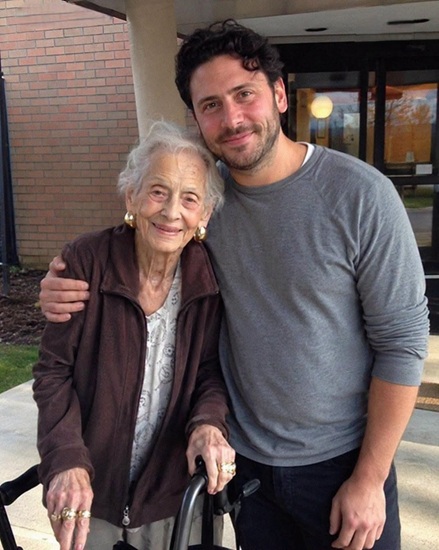
After losing his wife and daughter to cancer, Daniel found that returning to an ordinary routine was far more difficult than he had imagined. The home that had once been filled with familiar voices suddenly felt painfully quiet, and many activities he previously enjoyed seemed to have lost their meaning. As time passed, he began searching for something that would give structure and purpose to his days. Eventually, he decided to volunteer at a hospice, believing that offering companionship to people approaching the end of their lives might allow him to turn some of his own grief into something useful.
Daniel did not begin volunteering because he expected recognition or financial reward. He remembered how much small gestures of compassion had meant while his own family was dealing with serious illness. Sometimes the most valuable thing another person could provide was simply their presence. At the hospice, Daniel helped wherever volunteers were needed, performing ordinary tasks and spending time with patients who wanted company. The work could be emotionally demanding, but it also gave him a reason to keep moving forward.
It was there that he met Margaret, an 81-year-old woman receiving end-of-life care. Margaret was intelligent, observant, and determined to maintain as much independence as possible. During their earliest encounters, their conversations were polite but relatively brief. Daniel never pressured her to talk. Instead, he offered assistance when appropriate and allowed Margaret to decide how much companionship she wanted. Over time, that patience created a level of trust neither of them had anticipated.
Their conversations eventually moved beyond everyday topics. Margaret shared memories from different periods of her life, sometimes describing joyful moments and sometimes discussing decisions she wished she had handled differently. Daniel listened without attempting to judge or correct her. On other days, they talked about books, food, changing technology, family traditions, and the countless ordinary details that can become meaningful when someone begins reflecting on a long life. Slowly, the relationship became more like a friendship than a simple volunteer assignment.
One afternoon, Margaret noticed Daniel standing near a vending machine and carefully counting the bills and coins in his hand. He was trying to determine whether he could comfortably spend money on coffee. Margaret asked why he seemed so concerned about such a small purchase. Daniel initially laughed off the question, but she continued asking until he reluctantly admitted that his finances had become difficult. He immediately made clear that he was not telling her because he expected help, and Margaret did not offer him money.
The conversation ended quickly, but Margaret apparently remembered it. Daniel continued visiting exactly as he had before. He brought books, helped with small tasks, listened when Margaret wanted to talk, and remained nearby when she preferred quiet company. He never asked about her finances, property, or estate plans. As far as he was concerned, those subjects belonged to Margaret and her family. Whatever she possessed had nothing to do with the reason he continued showing up.
As Margaret’s health declined, Daniel understood that their remaining time was limited. Hospice work had already taught him that understanding this reality did not necessarily make saying goodbye easier. He had experienced profound loss before, and Margaret’s worsening condition brought back emotions he thought he had learned to manage. Still, he tried not to make her final weeks about his own sadness. His role was to offer companionship for as long as she wanted it.
Eventually, Margaret died. Daniel grieved privately and returned to his volunteer routine. He missed their conversations and occasionally caught himself thinking of something he would have wanted to tell her. Nevertheless, he understood that their friendship had always existed within circumstances neither of them could change. He was grateful that they had met and believed that gratitude had to be enough. He expected no further connection with Margaret’s affairs after her death.
Some time later, Daniel learned that Margaret’s will had been handled and that he apparently had not received anything from her estate. The information surprised him more than he wanted to admit. He had never consciously expected an inheritance, yet discovering that he was not included produced a brief feeling of disappointment. Daniel immediately felt uncomfortable with his own reaction. Margaret had never promised him anything, and caring for another person did not create a right to that person’s property.
He tried to dismiss the matter and reminded himself that Margaret was free to distribute her belongings however she wished. Their friendship had been valuable because of the time they spent together, not because of what might happen after her death. Daniel told himself that measuring their relationship through an inheritance would diminish everything that had made it meaningful. With that thought, he attempted to put the issue behind him.
Then an unexpected message arrived from a lawyer associated with Margaret’s estate. The attorney wanted to speak with Daniel because Margaret had left specific instructions concerning him. Daniel initially assumed there had been some administrative misunderstanding. He explained that, as far as he knew, Margaret had left him nothing. The lawyer told him that this was not the entire picture and that Margaret had deliberately made separate arrangements she wanted Daniel to learn about directly.
In this fictional story, Margaret had arranged a financial gift for Daniel outside the provisions he had heard about in connection with the main will. Her instructions made clear that the decision was intentional. She had remembered the afternoon when she saw Daniel counting his money before buying coffee, along with other indications that he was struggling financially. More importantly, she had noticed that learning about his difficulties had never changed the way he treated her or caused him to ask for anything.
Daniel was stunned. For a short period, he had interpreted his apparent absence from Margaret’s will as evidence that perhaps their friendship had mattered less to her than it had to him. The lawyer’s explanation completely changed that interpretation. Daniel had drawn a conclusion using incomplete information. Margaret had not forgotten him at all. Instead, she had made a deliberate arrangement and had instructed the lawyer to ensure that he eventually understood why.
Along with the financial arrangement was a personal message from Margaret. For Daniel, her words mattered more than the amount involved. She wrote about the companionship he had provided during a period when illness had taken away much of her independence. She remembered the conversations they had shared and the fact that Daniel treated her as a person with stories and opinions rather than defining her solely by her medical circumstances.
Margaret also explained that she understood Daniel had suffered losses of his own. She had recognized something familiar in the way he sometimes became quiet when conversations turned toward family. Although he rarely spoke at length about his wife and daughter, Margaret had understood that his grief remained part of him. Her message suggested that their friendship had worked in both directions. Daniel believed he had been helping Margaret, but she had also been helping him reconnect with life after years dominated by loss.
The revelation gave the financial gift a different meaning. Daniel did not see it as compensation for his volunteer work, nor did he believe kindness should normally produce a material reward. Margaret had simply chosen to use part of what she possessed to help someone who had become important to her. It was her decision, made according to the fictional circumstances of the story, rather than something Daniel had earned by spending time beside her.
The scenario also illustrates why inheritance matters should not be understood from assumptions alone. Real estate planning can involve more than a single will. Depending on applicable laws and individual circumstances, arrangements can include beneficiary designations, trusts, jointly owned assets, gifts, and other mechanisms. A person’s absence from one document therefore may not necessarily reveal everything about an estate. At the same time, providing care or friendship does not automatically create an entitlement to an inheritance.
For that reason, this fictional narrative should not be used as legal or financial advice. Real estates are governed by laws that vary by jurisdiction, and disputes can involve complex questions about documentation, capacity, beneficiaries, taxes, property ownership, and family relationships. Anyone facing an actual inheritance issue should consult an appropriately qualified professional. A dramatic story can illustrate an emotional situation, but it cannot establish how a real estate matter should be handled.
Daniel’s experience was ultimately more personal than legal. Margaret’s gift gave him financial breathing room, but the message she left behind affected him more deeply. He had spent years believing that losing his wife and daughter had permanently separated his life into a “before” and an “after.” Volunteering had slowly shown him that grief and new connections could exist at the same time. His friendship with Margaret became one of the clearest examples of that realization.
The story also demonstrates how quickly incomplete information can produce a confident but inaccurate interpretation. When Daniel first learned that he was not included in the will as he understood it, he assumed he had been left with nothing. That assumption influenced how he interpreted Margaret’s final decisions. Once the lawyer provided the missing context, the same situation looked completely different. Nothing about their friendship had changed; only Daniel’s knowledge of Margaret’s intentions had changed.
This is particularly important when emotional stories are shortened for social media. A headline might focus almost entirely on the apparent rejection and the lawyer’s later revelation because those elements create suspense. Yet the meaningful part of the narrative lies in everything connecting those two moments: Daniel’s grief, his decision to volunteer, Margaret’s illness, their growing friendship, the vending-machine conversation, and the absence of any promise of financial compensation.
Removing those details can make the story appear to suggest that caring for someone should result in an inheritance. That is not the message of this fictional account. Daniel’s actions had value before he knew anything about Margaret’s estate, and they would have retained that value even if she had truly left him nothing. Margaret’s eventual gift was meaningful because it was freely chosen, not because Daniel was entitled to receive it.
In the end, Daniel realized that Margaret had noticed far more than he thought. She remembered his financial struggles, but she also remembered his patience, his conversations, and the simple fact that he continued returning when she needed companionship. Daniel had briefly believed that her will proved he had been forgotten. Her special instructions showed him that the opposite was true.
The final surprise therefore was not simply that Margaret had arranged something for Daniel. It was the discovery that two people who met during profoundly difficult periods had quietly become important to each other. Daniel gave Margaret companionship when her world was becoming smaller, while Margaret reminded Daniel that loss had not eliminated his ability to form meaningful connections. Her final instructions became one last expression of gratitude between two fictional characters whose friendship had begun without either expecting anything in return.

