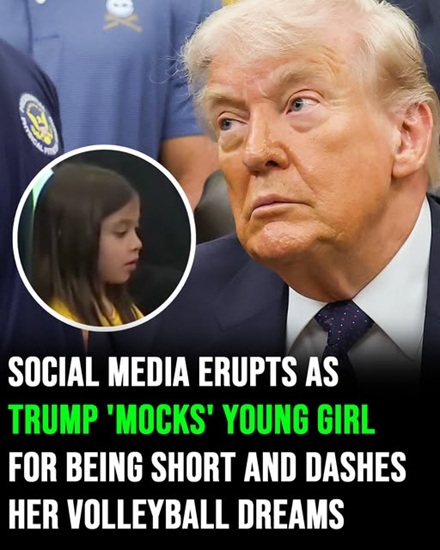
A recent White House event held on May 5 centered around the announcement of the revival of the Presidential Physical Fitness program, an initiative designed to encourage physical activity and sports participation among young students in the United States. The program has historically been associated with school-based fitness goals and youth athletic development. The event included participation from children, student athletes, and invited guests,
With the aim of highlighting the importance of exercise, sports education, and healthy lifestyles. Public officials and athletes were present as part of the program’s presentation, which was held in both the Oval Office and White House grounds.
A Brief Exchange During the Event Gains Attention
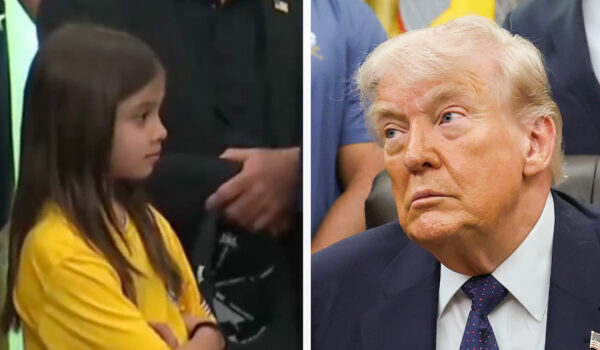
During the event, President Donald Trump engaged in a short conversation with a young participant who spoke about her involvement in sports. She mentioned playing volleyball and also expressed interest in possibly trying soccer in the future. The exchange included general questions about her athletic interests and physical activity.
At one point, the president asked questions related to her height and how it might relate to sports such as volleyball, including whether she could jump high and perform well in the sport. The conversation was brief and occurred in the context of discussing athletic participation and physical performance.
Social Media Clip Circulates Widely Online
Following the event, a short video clip of the interaction began circulating across social media platforms. As with many public political moments, the clip quickly attracted attention and was shared widely across different online communities.
The video prompted discussion among users, with some focusing on the wording of the exchange and others emphasizing the broader context of the fitness program announcement. As the clip spread, it became part of a wider online conversation about public communication during official events.
Mixed Public Interpretation of the Interaction
Reactions to the video were divided. Some viewers expressed concern about the tone of the conversation, particularly regarding how adults in public authority positions speak to children in formal settings. These users suggested that communication with minors should always be framed in an encouraging and supportive manner.
Other viewers interpreted the exchange differently, viewing it as a casual, sports-related conversation in the context of a youth fitness event. They emphasized that discussions about height, jumping ability, and athletic suitability are common in sports environments such as volleyball and soccer.
Supporters Highlight Context of Sports Discussion
Supporters of the president’s remarks argued that the exchange should be understood within the context of sports performance and youth athletic development. In many sports, physical attributes such as height and jumping ability can influence how athletes perform in specific positions or roles.
From this perspective, the conversation was seen as part of a broader discussion about encouraging children to explore different sports that match their abilities and interests. Supporters also noted that informal interactions are common during public events involving children and sports programs.
The Role of Social Media in Amplifying Moments
The widespread circulation of the video highlights the role of social media in shaping public perception of political events. Short clips can rapidly spread online, often detached from full context or the broader structure of the event in which they occurred.
As a result, brief interactions can generate significant discussion, with users interpreting tone and intent differently. This pattern is common in modern digital communication, where political figures are frequently subject to real-time public analysis of their words and actions.
Importance of Context in Public Interactions
Public events involving officials and children often include informal and spontaneous conversations. These moments are typically brief and occur within a structured event designed to promote engagement, awareness, and participation.
Without full context, isolated excerpts of conversation can be interpreted in multiple ways. Understanding the broader purpose of the event is important when evaluating such interactions, particularly when they are shared widely on social media platforms.
Broader Discussion About Public Communication Standards
The incident has also contributed to a broader discussion about communication standards for public figures, especially when interacting with minors. In general, expectations for public communication emphasize clarity, encouragement, and sensitivity depending on context and audience.
At the same time, public officials often participate in unscripted interactions during events, which can lead to varied interpretations depending on how moments are presented online. This has become a recurring feature of modern political communication.
Differing Perspectives in Public Debate
The online discussion surrounding the video reflects differing perspectives on political communication. Some users focus on tone and phrasing, while others focus on intent and context. These differences often align with broader political or personal viewpoints.
Such debates are not unusual in highly visible public events, where short interactions can become focal points for wider discussions about leadership style, public messaging, and communication norms.
The White House interaction has become a widely discussed online moment, reflecting how quickly brief public exchanges can gain attention in the digital age. While some viewers interpreted the conversation as inappropriate in tone, others viewed it as a normal sports-related discussion within a youth fitness event.
As with many viral political clips, interpretation varies depending on context, perspective, and the framing of the content online. The event highlights how modern media environments can amplify short moments into broader public debates.
Ultimately, the situation underscores the importance of context when evaluating public interactions, especially those involving children, sports programs, and high-profile political figures.
