
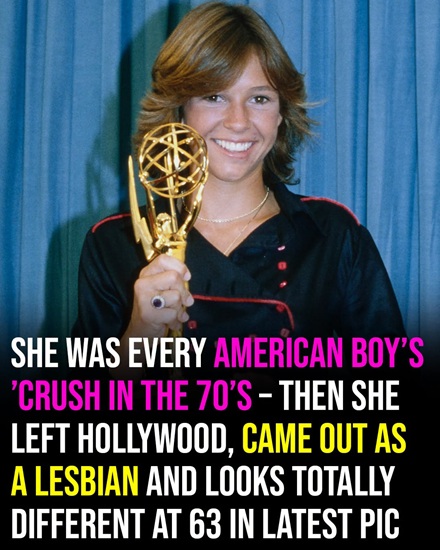
Growing up is complicated enough without millions of people watching. For Kristy McNichol, adolescence unfolded while she was becoming one of the most recognizable young actresses on American television. During the 1970s and 1980s, audiences watched her move from child performer to Emmy-winning television star and successful film actress. From the outside, her career appeared extraordinary, filled with popular productions, awards and opportunities most young performers could only imagine.
Away from the cameras, however, McNichol was also navigating the pressures of early fame, questions about her private identity and mental-health challenges that eventually contributed to her decision to build a quieter life. Christina Ann McNichol was born in Los Angeles on September 11, 1962. She entered entertainment while still young, appearing in commercials before receiving increasingly substantial television opportunities. Her older brother, Jimmy McNichol, also became an actor and singer, and the siblings occasionally worked together during their early careers.
Kristy’s first regular television role arrived in 1974 with Apple’s Way, where she played Patricia Apple. Although the series lasted only a relatively short time, the experience helped establish McNichol as a promising young performer and prepared her for the role that would soon make her nationally recognizable. In 1976, McNichol joined the cast of the ABC drama Family as Letitia “Buddy” Lawrence. The series followed the lives and difficulties of the Lawrence family and regularly explored serious emotional and social subjects.
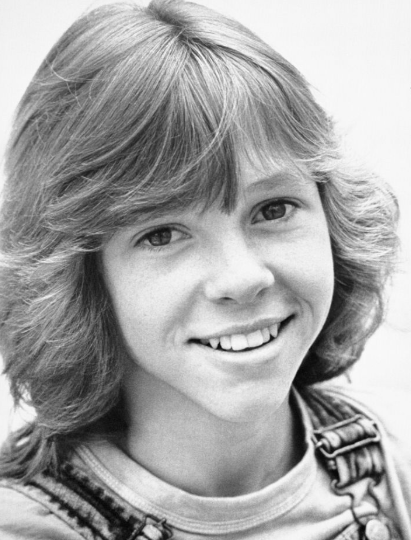
McNichol’s Buddy was intelligent, independent and believable, allowing viewers to see the character develop through adolescence rather than simply functioning as the youngest member of a television household. Her naturalistic performance quickly attracted attention. For many viewers who were themselves growing up during that period, Buddy became one of the most relatable young characters on television.
Professional recognition followed quickly. McNichol received multiple Emmy nominations for Family and ultimately won two Primetime Emmy Awards for her supporting performance, in 1977 and 1979. Winning television’s highest honor while still a teenager placed her in an unusual position. She was no longer merely considered a promising young actress; she had become an established award-winning performer before reaching adulthood. The recognition also increased public attention around her, making McNichol one of the era’s most visible teenage television personalities.
Her success was not confined to one television series. McNichol appeared in television movies and other projects, including Summer of My German Soldier and Like Mom, Like Me. She also recorded music with her brother Jimmy, further increasing the siblings’ visibility during the late 1970s. Magazine appearances, interviews and promotional events became part of her professional life at an age when most teenagers were experiencing far more ordinary routines. The entertainment industry had become not simply something she did after school but a major part of her identity in the eyes of the public.
After Family, McNichol expanded her work in feature films. One of her most enduring movie roles came in the 1980 film Little Darlings, where she appeared alongside Tatum O’Neal. McNichol played Angel, while the cast also included Matt Dillon. The movie became closely associated with its era and remains one of the performances longtime fans frequently connect with her name. It also demonstrated that McNichol could successfully move beyond the television role that had originally made her famous.
Her film career continued to develop. In 1981, she starred opposite Dennis Quaid in The Night the Lights Went Out in Georgia. That same year, she appeared as Polly in Neil Simon’s Only When I Laugh alongside Marsha Mason. McNichol’s performance earned her a Golden Globe nomination, providing further evidence that her early Emmy victories had not simply been the result of childhood popularity. She had developed into an actress capable of handling substantial dramatic material in both television and film.
By her early twenties, McNichol had already experienced a level of professional success that many performers never reach. Yet maintaining that pace came with difficulties that audiences could not always see. McNichol later experienced significant mental-health challenges, and accounts of her life have documented a diagnosis of bipolar disorder. At a time when public conversations about mental health were less common and often surrounded by misunderstanding, dealing with such challenges while working in a highly visible industry could be particularly demanding.
Her health history deserves to be discussed carefully rather than sensationally. Bipolar disorder is a medical condition and does not define someone’s entire personality, talent or life. McNichol had already built an accomplished career through years of demanding professional work. Her experiences instead provide an example of how public achievement and private health challenges can exist simultaneously. Celebrity does not protect someone from mental-health difficulties, and stepping away from work or seeking professional assistance should not be interpreted as professional failure.
McNichol continued acting throughout much of the 1980s. Her credits during this period included films such as Dream Lover, You Can’t Hurry Love and Two Moon Junction. Her career was changing, but she remained a familiar performer. She had already moved through several different stages of the entertainment industry, from commercials and television drama to feature films, and she was about to begin another important chapter on television.
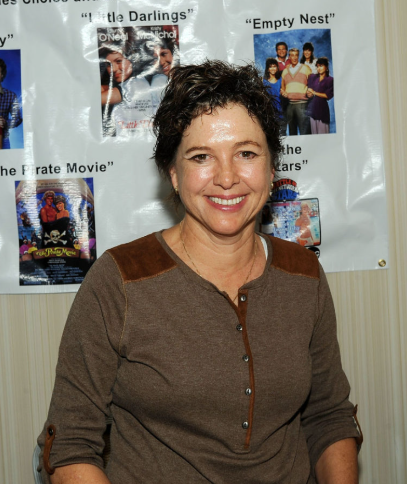
In 1988, McNichol joined the NBC sitcom Empty Nest as Barbara Weston. Richard Mulligan starred as pediatrician Harry Weston, while McNichol portrayed one of his adult daughters. The series was connected to the television world of The Golden Girls and developed a successful audience of its own. For McNichol, the role represented an opportunity to demonstrate her comedic abilities and introduced her to viewers who might have been too young to remember her breakthrough years on Family.
Her time on Empty Nest was affected by health concerns, and McNichol eventually stepped away from regular acting. She made some later appearances, but the relentless career that had begun during childhood was moving toward an end. Instead of repeatedly attempting to return to the level of visibility she had experienced as a teenager, McNichol gradually chose a different direction.
In June 2001, she publicly confirmed that she had retired from acting after approximately 24 years in the profession. McNichol explained that she believed it was time to focus on what she described as her biggest role: herself. She acknowledged that fans might be disappointed that she was no longer acting, while emphasizing that the personal process she was going through was necessary for her happiness and well-being. It was a striking statement from someone who had spent most of her life being professionally evaluated for playing other people.
Retirement gave McNichol something that had often been difficult to obtain during her youth: privacy. Reports about her post-Hollywood life described interests including tennis, yoga, travel and spending time with her dogs. She was no longer required to promote new films, appear regularly in interviews or maintain a public celebrity identity. After entering entertainment as a child, she had reached a point where success could mean something entirely different from another television role or another award.
One important part of McNichol’s personal story remained private for many years. In January 2012, as she approached her 50th birthday, McNichol publicly disclosed that she is a lesbian. Her representative confirmed that she had been living with her longtime partner, Martie Allen, for many years. The disclosure brought an end to years of speculation, but McNichol’s stated motivation was not simply to answer questions about her romantic life.
Her representative explained that McNichol hoped speaking openly might help young people who were experiencing bullying or struggling because they felt different. She wanted to be open about who she was and hoped her example could provide some form of encouragement to others. The announcement was especially notable because McNichol was not using it to promote a comeback. She remained retired and continued to prioritize a private life.
The historical context surrounding her decision is important. McNichol first became famous during the 1970s, when LGBTQ+ performers faced a significantly different entertainment environment from the one that exists today. Public attitudes, media coverage and career considerations could create powerful pressures around disclosure. It would nevertheless be inappropriate to invent specific motives or private experiences that McNichol herself has not confirmed. What can responsibly be stated is that she publicly identified herself as a lesbian in 2012 and expressed a desire to help young people who might need support.
McNichol and Martie Allen have largely kept their relationship away from public attention. When McNichol spoke publicly in 2012, reports described Allen as her partner of approximately two decades. Beyond the limited information the couple has chosen to make public, much of their life together remains private. That should not be treated as a mystery requiring speculation. It is consistent with McNichol’s broader decision to withdraw from the celebrity culture that surrounded her throughout childhood and early adulthood.
Various websites have published claims over the years about McNichol’s supposed earlier romantic relationships with different men and women. Those lists are often repeated from celebrity-dating databases without strong primary documentation. For that reason, such claims should not automatically be presented as established facts. McNichol’s verified career and the information she voluntarily disclosed about her personal life provide a substantial story without relying on uncertain relationship rumors.
Her departure from Hollywood also raises an interesting question about how success is measured. Entertainment culture frequently presents longevity as the ultimate achievement, encouraging performers to remain visible for as long as possible. McNichol chose another definition. By the time she retired, she had already won two Emmys, received a Golden Globe nomination, starred in popular television series and appeared in memorable films. She did not need to continue acting indefinitely for those accomplishments to remain meaningful.
The contrast between McNichol’s public image and private experiences also illustrates the limitations of celebrity familiarity. Millions of viewers watched her performances and read interviews about her, creating the impression that they knew the young woman appearing on their television screens. Yet audiences could only see a fraction of her life. Professional success did not reveal every personal challenge, and smiling for cameras did not necessarily communicate what was happening when those cameras were turned off.
That is particularly important when looking back at her mental-health experiences. Public discussions of celebrities’ health can easily become reductive, turning complicated people into diagnoses or dramatic headlines. McNichol’s bipolar disorder is part of her documented biography, but it is only one aspect of a much larger life. Her career achievements, relationships, interests and decisions deserve to be understood alongside it rather than through it.
Leaving acting gave McNichol greater control over how much of herself she shared with strangers. During her teenage years, interviews, magazine profiles and publicity were routine parts of maintaining a successful career. As an adult outside Hollywood, she could decide when she wanted to speak and when she preferred to remain private. Her 2012 disclosure demonstrated that privacy and openness do not have to be opposites. Someone can speak truthfully about an important part of their identity without making every aspect of their life public property.
Her story has continued to interest fans decades after her most famous performances. Occasional recent photographs or mentions of McNichol can still generate considerable nostalgia because she appears publicly so rarely. For people who watched her grow from Buddy Lawrence into an established film and television actress, seeing her years later can bring back memories of an entire period of popular culture.
That enduring affection is closely connected to the performances themselves. Buddy in Family was not merely a role that made McNichol famous; it allowed her to demonstrate unusual emotional range at a young age. Angel in Little Darlings became another defining character. Barbara Weston in Empty Nest showed audiences a more mature performer working comfortably in television comedy. Together, those roles represent different stages of a career that began before adulthood and continued for more than two decades.
McNichol’s life after Hollywood provides an equally meaningful chapter. She demonstrated that walking away from fame does not necessarily mean losing something. For her, leaving acting created the opportunity to prioritize personal happiness and well-being. The decision may have disappointed viewers hoping to see her in additional projects, but audiences are not entitled to endless performances from someone simply because they once enjoyed that person’s work.
Her decision to come out publicly years after retiring adds another layer to that journey. Rather than remaining silent forever because she valued privacy, McNichol chose a moment when she felt comfortable sharing that she was a lesbian and acknowledging her longtime relationship. At the same time, she maintained clear boundaries around the rest of her life. That balance allowed her to speak authentically without returning to constant celebrity exposure.
There is no need to turn her story into a simplistic narrative in which every difficulty existed solely because of fame or sexuality. Human lives rarely fit into such neat explanations. McNichol experienced extraordinary professional success, mental-health challenges, personal relationships and changing priorities over several decades. Each deserves to be discussed according to what is actually documented rather than being forced into a dramatic explanation unsupported by evidence.
Today, Kristy McNichol is remembered primarily through the work she created during her years in entertainment. Two Emmy Awards before adulthood would have been a remarkable achievement on their own. Adding successful film roles, a Golden Globe nomination and another long-running television series made her career even more distinctive. Her later decision to retire did not diminish any of those accomplishments.
Perhaps the most notable aspect of McNichol’s journey is that she eventually reclaimed something early fame had made difficult to maintain: control over her own visibility. As a teenager, being watched was part of her profession. As an adult, she could decide that constant attention was no longer something she wanted. She could spend time with the people she loved, pursue personal interests and live without needing every important moment turned into entertainment.
Her experience is also a reminder that audiences rarely know the complete circumstances behind another person’s public image. Someone can appear successful while dealing privately with challenges that are invisible to outsiders. Recognizing that reality does not require speculation about what someone might secretly be experiencing. It simply encourages a more thoughtful distinction between the person and the public persona.
More than four decades after Family made her one of television’s best-known young performers, McNichol’s work remains part of television history. Viewers can still revisit the performances that earned her acclaim, while respecting that the woman who created them eventually chose a different kind of life. She did not disappear because her accomplishments stopped mattering. She simply decided that fame no longer needed to determine how she lived.
Kristy McNichol’s journey therefore extends far beyond the familiar story of a teenage star. She experienced extraordinary success at a young age, navigated difficult periods, stepped away from an industry she had known since childhood and eventually spoke openly about an important part of her identity. Through each stage, her priorities changed as she gained greater control over the direction of her life.
For longtime fans, remembering McNichol can naturally bring nostalgia for Family, Little Darlings, Only When I Laugh or Empty Nest. But there is another part of her story worth recognizing as well: after years of being defined publicly by characters and celebrity, she chose to define adulthood for herself. Her legacy includes the performances audiences still remember, while the quieter life she built afterward reflects a decision that belonged entirely to her.

