
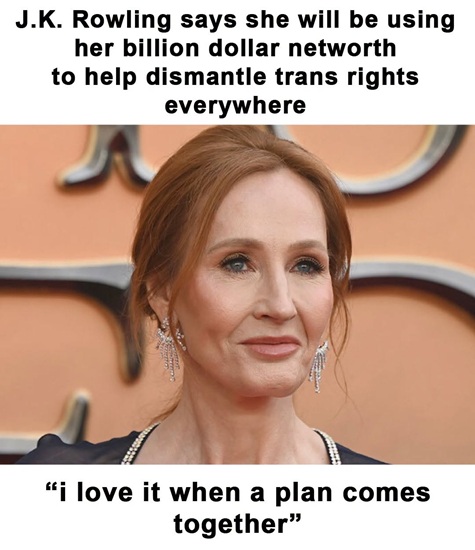
For decades, J.K. Rowling has been recognized around the world as the author behind the hugely successful Harry Potter series. Her books have sold hundreds of millions of copies, inspired blockbuster films, and introduced generations of readers to a beloved fictional universe. In recent years, however, public attention surrounding Rowling has increasingly focused on her involvement in debates about sex, gender identity, and public policy.
What began as a series of comments on social media has gradually developed into a broader role in public discussions taking place across the United Kingdom and internationally. Rowling has become one of the most widely known voices participating in conversations about women’s rights, gender identity, and legal protections related to sex-based policies.
The debate has generated strong opinions from people on all sides. Supporters argue that Rowling is advocating for protections based on biological sex and defending what they consider important rights for women. Critics, meanwhile, believe that some of her comments have been harmful to transgender individuals and have challenged her views through public statements, campaigns, and advocacy efforts.
Over time, these disagreements have extended far beyond social media platforms. Questions involving gender recognition, single-sex spaces, sports participation, workplace policies, and equality laws have become major topics of discussion in political, legal, and cultural settings throughout several countries.
Rowling first drew significant attention to her views through essays and online posts in which she explained her concerns regarding proposed gender policies. She argued that biological sex remains a meaningful legal and social category and that certain protections should continue to be based on sex rather than gender identity.
Because of her global profile, her comments quickly became headline news. News organizations, political commentators, advocacy groups, and members of the public began discussing her statements extensively. As a result, Rowling became one of the most visible public figures involved in the ongoing debate.
The conversation also led to responses from individuals associated with the Harry Potter franchise. Actors including Daniel Radcliffe, Emma Watson, and Rupert Grint publicly expressed support for transgender people and clarified that their views differed from those expressed by Rowling. Their comments received substantial media coverage due to their long connection with the author’s work.
Despite criticism from some groups and public figures, Rowling has remained consistent in her position. She has repeatedly stated that discussions about sex-based rights should remain open and that people should be free to express differing opinions on complex social issues without facing undue pressure or restrictions.
As public discussion continued, Rowling became increasingly involved in legal and policy-related matters connected to the debate. Court rulings, proposed legislation, government consultations, and advocacy campaigns often became topics she discussed publicly with her followers.
Many of these conversations centered on questions surrounding how laws should balance the rights of different groups while ensuring fairness and legal clarity. These discussions frequently attracted significant attention from journalists, politicians, and advocacy organizations.
One issue that generated particularly widespread media coverage involved Algerian boxer Imane Khelif during the Paris Olympics. Public discussion surrounding eligibility rules and athlete participation quickly expanded across social media and news outlets. The situation became one of the most talked-about sports-related controversies of the year.
Several high-profile individuals, including Rowling, publicly commented on the debate. As media coverage increased, differing opinions emerged regarding fairness in competition, athlete eligibility, and the responsibilities of governing bodies.
Following the Olympics, reports indicated that legal complaints concerning alleged online harassment were filed in France. The matter attracted international attention due to the involvement of well-known public figures and the broader discussion surrounding social media conduct and public commentary.
Throughout these developments, Rowling continued to maintain that conversations regarding biological sex and women’s rights should remain part of public debate. She has frequently emphasized the importance of open discussion and legal protections for individuals expressing differing viewpoints.
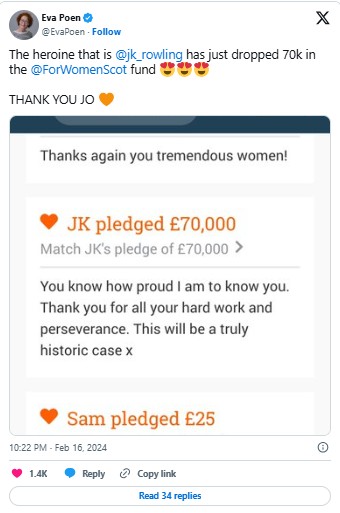
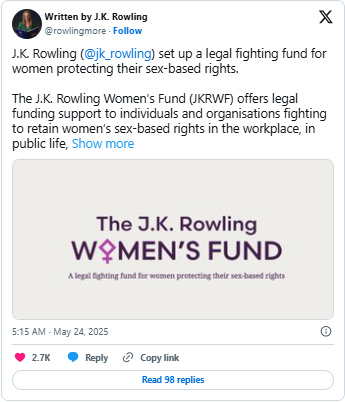
In addition to public commentary, Rowling has also announced efforts aimed at supporting legal advocacy related to women’s sex-based rights. These initiatives represent a significant expansion of her involvement in the issue beyond social media posts and interviews.
According to publicly available information, Rowling intends to provide financial support for individuals and organizations involved in legal cases concerning issues such as workplace protections, public participation, and female-only spaces. She has stated that part of her personal resources will be directed toward these initiatives.
The development highlights how debates surrounding gender policy increasingly involve courts, legal organizations, advocacy groups, and public institutions. Rather than remaining limited to public discussion, many disagreements are now being addressed through formal legal processes.
Supporters of Rowling view these efforts as a way to ensure that a variety of perspectives can be represented within legal and democratic systems. They argue that access to legal support helps individuals and organizations participate more effectively in important public debates.
Critics, however, continue to express concern that such initiatives may contribute to policies they believe could negatively affect transgender people. Advocacy organizations supporting transgender rights have frequently challenged Rowling’s arguments and continue promoting alternative approaches to gender-related legislation.
These differing viewpoints illustrate the complexity of an issue that remains highly debated across many societies. Questions surrounding rights, protections, legal definitions, and public policy often generate passionate responses from people holding a wide range of perspectives.
Regardless of individual opinions, Rowling’s influence on the discussion remains significant. Her statements often generate international news coverage and frequently become topics of conversation across social media, television programs, newspapers, and political forums.
At the same time, her literary accomplishments continue to shape her public image. The Harry Potter franchise remains one of the most successful publishing properties in history, attracting readers and viewers from around the world decades after its debut.
New adaptations, special events, merchandise, and future projects continue introducing the series to younger generations. As a result, Rowling remains one of the most recognizable authors of the modern era, even as public attention increasingly focuses on issues beyond literature.
Observers note that Rowling appears committed to remaining active in discussions involving gender policy and women’s rights. Her recent advocacy efforts suggest that she intends to continue participating through public statements, legal initiatives, and support for organizations that share similar concerns.
Meanwhile, broader debates surrounding sex, gender identity, and equality law show little sign of disappearing. Governments, courts, advocacy groups, and academic institutions continue examining how these issues should be addressed within legal and social frameworks.
The discussion remains one of the most closely followed cultural and political topics in many countries. As new developments emerge, public figures, organizations, and policymakers will likely continue contributing their perspectives to the conversation.
For now, J.K. Rowling remains among the most prominent individuals involved in these debates. Whether viewed primarily as a celebrated author, an advocate for women’s sex-based rights, or a controversial participant in gender policy discussions, her role continues to attract substantial public attention.
As legal cases, policy discussions, and social debates evolve, Rowling’s involvement is likely to remain a subject of interest for supporters, critics, journalists, and observers alike. The ongoing conversation reflects broader questions about law, identity, free expression, and public policy that continue to shape modern society.
While opinions differ sharply on many aspects of the issue, one point is clear: J.K. Rowling’s influence extends far beyond the world of literature. Her views, advocacy efforts, and public statements continue to play a notable role in one of the most widely discussed social debates of the current era.

