
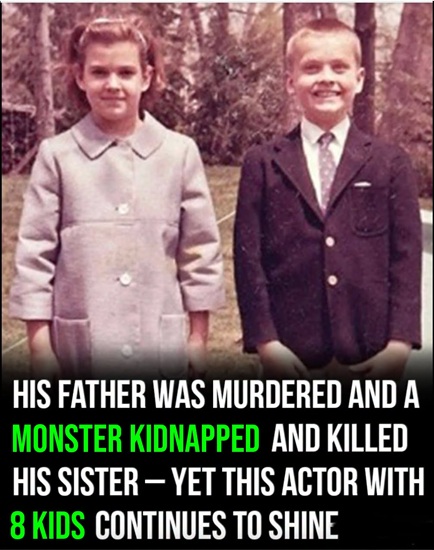
Kelsey Grammer has long been recognized as one of the most accomplished actors in American television. Best known for portraying psychiatrist Dr. Frasier Crane in Cheers and its acclaimed spin-off Frasier, he has built a career spanning more than four decades. His performances have earned multiple Primetime Emmy Awards, Golden Globe recognition, and widespread respect within the entertainment industry. While audiences often associate him with humor, intelligence, and wit, Grammer has spoken openly about the profound personal tragedies that shaped his life long before he became a household name.
His story illustrates not only remarkable professional success but also extraordinary resilience in the face of repeated personal loss. Allen Kelsey Grammer was born on February 21, 1955, in Saint Thomas, U.S. Virgin Islands. His parents separated during his childhood, and after their divorce he was primarily raised in New Jersey by his mother, Sally Cranmer, along with his maternal grandparents. In later interviews, Grammer has described his grandfather as one of the most influential figures in his early life.
During a period marked by family change and uncertainty, his grandfather provided stability, encouragement, and guidance. Losing such an important person at a young age would become one of the earliest major hardships he experienced. When Grammer was about twelve years old, his grandfather died after battling cancer. In interviews reflecting on his childhood, Grammer has explained that this loss deeply affected him emotionally.
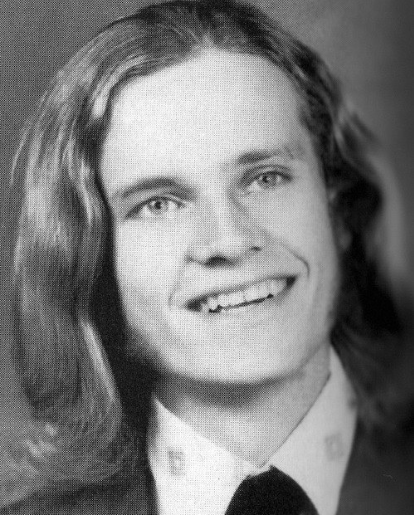
He has recalled feeling that his grandfather gradually became less patient during the final stages of illness, something the young Kelsey struggled to understand at the time. Looking back as an adult, he has acknowledged that those experiences contributed to feelings of insecurity that remained with him for many years. Like many children who lose a close family member, he found it difficult to fully process the emotional impact of grief at such a young age.
Only a year later, another devastating tragedy struck the family. In 1968, Grammer’s father, Frank Allen Grammer Jr., was fatally shot outside his home in the U.S. Virgin Islands. Public records show that the man responsible was later found not guilty by reason of insanity. Grammer has spoken candidly about the emotional consequences of losing his father under such circumstances. Although the two had not lived together following his parents’ divorce, he has said that the violent nature of his father’s death left lasting emotional wounds that remained with him throughout adulthood.
The most devastating event of Grammer’s life occurred several years later. In 1975, while he was studying theater at the Juilliard School in New York, his younger sister, Karen Grammer, was abducted, sexually assaulted, and murdered in Colorado Springs, Colorado, at the age of eighteen. The crime shocked the family and became one of the defining moments of Grammer’s life. Court proceedings later resulted in the conviction of Freddie Glenn, who was found guilty of Karen’s murder as well as other violent crimes. Over the years, Grammer has spoken carefully but honestly about the enormous emotional impact this tragedy had on him and his family.
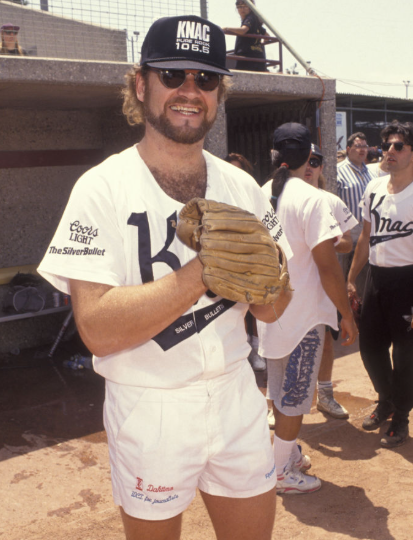
In several interviews, Grammer has acknowledged experiencing feelings of guilt following his sister’s death, despite recognizing intellectually that he was not responsible for what happened. Mental health professionals often note that survivors of traumatic loss sometimes experience irrational self-blame, particularly after violent crimes involving close family members. Grammer has described these feelings openly, explaining that grief often does not follow logical patterns. His willingness to discuss these emotions has helped many readers better understand the complex psychological effects of traumatic bereavement.
Years after the criminal trial, Grammer participated in parole hearings concerning the man convicted of murdering his sister. During those proceedings, he publicly acknowledged the offender’s expression of remorse while also explaining why he believed release was inappropriate. Grammer stated that he accepted the apology offered to him personally but continued to oppose parole out of respect for his sister’s memory. His comments reflected an effort to separate forgiveness from legal accountability, emphasizing that personal forgiveness does not necessarily determine opinions about criminal sentencing or public safety.

Additional tragedy followed in 1980, when Grammer’s two half-brothers, Billy and Stephen, died during a scuba-diving accident in the Virgin Islands. According to public reports, Billy failed to resurface during the dive, and Stephen died while attempting to rescue him. Billy’s body was never recovered. Losing multiple close family members over such a relatively short period placed an extraordinary emotional burden on Grammer during his twenties. In later interviews, he acknowledged that these repeated losses contributed to emotional struggles that would affect many years of his life.
Despite enduring repeated personal tragedy, Grammer remained committed to pursuing his acting career. After completing his theater training, he worked steadily on stage before earning his breakthrough television role in 1984 as Dr. Frasier Crane on Cheers. Originally intended as a relatively brief guest appearance, the character quickly became one of the series’ most beloved roles.
Grammer’s portrayal combined intelligence, humor, vulnerability, and impeccable comic timing, leading producers to expand the character’s role significantly. That opportunity ultimately laid the foundation for one of television’s most successful acting careers and introduced audiences to the performer whose talent would later make television history.
The success of Cheers eventually led to one of the most successful spin-off series in television history. In 1993, Frasier premiered, with Kelsey Grammer once again portraying Dr. Frasier Crane. Over the next eleven seasons, the series earned widespread critical acclaim for its intelligent writing, memorable characters, and sophisticated humor. Grammer’s performance became one of the defining roles of his career, earning multiple Primetime Emmy Awards and helping establish Frasier as one of the most celebrated sitcoms in television history. The role demonstrated his remarkable ability to balance comedy with genuine emotional depth, making Frasier Crane one of television’s most recognizable characters.

While his professional life flourished, Grammer has spoken openly about the personal struggles that continued behind the scenes. In several interviews, he has acknowledged that grief from the deaths of his father, sister, and half-brothers contributed to years of emotional pain. He has also discussed his past struggles with alcohol and substance misuse, explaining that, for a period of his life, he attempted to cope with overwhelming loss in unhealthy ways. Rather than hiding these experiences, Grammer has later used them to encourage conversations about recovery, resilience, and the importance of seeking help during difficult periods.
In interviews reflecting on those years, Grammer has explained that sobriety became one of the most important turning points in his life. He has remained sober since 1996, crediting recovery with helping him regain stability, rebuild relationships, and approach life with greater clarity. Like many individuals in long-term recovery, he has emphasized that healing is an ongoing process rather than a single achievement. His openness about addiction has become another aspect of his public story, demonstrating that personal growth often continues long after professional success has been achieved.
Grammer has also spoken about how his faith evolved over time. He has acknowledged that after experiencing repeated tragedies, there were periods when he questioned his beliefs and struggled to understand why so much loss had occurred within one family. In later interviews, however, he explained that his perspective gradually changed. Rather than allowing grief to permanently define his outlook, he has described finding comfort in faith and encouraging others facing hardship to seek hope and support instead of becoming isolated by despair. These reflections represent his personal beliefs and experiences rather than universal conclusions.
Family has remained central to Grammer’s life throughout the years. In 2011, he married Kayte Walsh, and together they have built a family while raising their children. Grammer has also maintained relationships with his children from previous marriages and has publicly acknowledged that balancing career and parenthood was not always easy. In interviews, he has candidly admitted that he wishes he had been more present during certain periods of his older children’s lives, while also expressing gratitude for the opportunity to continue strengthening those relationships. His comments reflect a willingness to acknowledge past shortcomings while remaining committed to personal improvement.
As his family has grown, Grammer has often spoken about the importance of teaching compassion, responsibility, and forgiveness. He has explained that conversations with his children sometimes include discussions about the tragedies that affected his own life. Rather than encouraging anger or resentment, he has said he hopes they learn that healing comes from building meaningful lives rather than allowing painful experiences to define their future. His reflections emphasize resilience and emotional growth rather than dwelling solely on past trauma.
Beyond television, Grammer has continued working in film, theater, and voice acting. Over the years, he has appeared in numerous productions across different genres, demonstrating remarkable versatility as a performer. Whether portraying dramatic roles, animated characters, or comedic personalities, he has consistently earned praise for his professionalism and distinctive voice. His long career illustrates not only exceptional talent but also an enduring commitment to his craft despite the many personal hardships he has faced.
In recent years, Grammer returned to one of his most iconic roles with the revival of Frasier, introducing the character to a new generation of viewers while reconnecting with longtime fans. The return reflected both the lasting popularity of the series and Grammer’s continued enthusiasm for acting. Even after decades in the entertainment industry, he has remained active, demonstrating the same dedication that first established his reputation during the early years of his career.
Ultimately, Kelsey Grammer’s life story extends far beyond awards, television success, or celebrity recognition. It is the story of a man who endured extraordinary personal tragedy, experienced profound grief, confronted addiction, and gradually rebuilt his life through perseverance, recovery, family, and meaningful work. His career stands as a testament to remarkable artistic achievement, while his personal journey reflects resilience in the face of repeated adversity. By speaking honestly about both his successes and his struggles, Grammer has shown that healing is often a lifelong process and that even after unimaginable loss, it is possible to continue building a life centered on hope, purpose, and the people who matter most.

