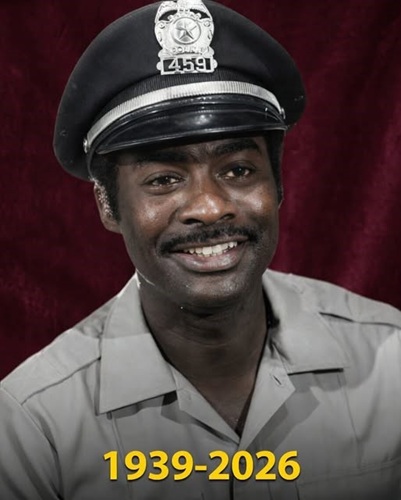
In the landscape of American television history, certain performers stand out not because they demanded attention, but because they earned it through consistency, discipline, and quiet excellence. Ed Bernard belongs to that category of actors whose presence shaped the tone and realism of the productions he was part of. He is remembered as a steady, reliable, and grounded performer whose work helped define the authenticity of several notable television series during the 1970s and 1980s.
His career reflects a professional philosophy centered on craft rather than celebrity. Before his transition into television, Ed Bernard built his foundation in the world of theater, where performance demands a deeper level of preparation and emotional awareness. Theater work requires actors to sustain character in real time, without interruption or correction, and this environment helped shape his disciplined approach.
It is widely recognized that stage experience often creates performers who understand timing, presence, and emotional truth in a more refined way, and Bernard carried these qualities into his screen work throughout his career. When he entered television, Bernard became part of a generation of actors who contributed to the growth of modern serialized storytelling.
During this era, television was evolving rapidly, and productions were becoming more ambitious in both narrative structure and character development. He appeared in a variety of roles that demonstrated his ability to adapt to different genres while maintaining a consistent level of performance quality. His presence in shows such as Police Woman and The White Shadow helped reinforce the realism and emotional grounding of ensemble casts.
One of the most defining aspects of Ed Bernard’s acting style was his restraint. Rather than relying on exaggerated emotion or dramatic gestures, he often communicated depth through subtle expression and controlled delivery. This approach made his performances feel natural and believable, allowing audiences to connect with the characters in a more authentic way. In ensemble-driven storytelling, such restraint is essential, as it creates balance and supports the broader narrative without overshadowing other performances.
Throughout his career, Bernard developed a reputation as a dependable professional within the television industry. Directors and colleagues valued his ability to deliver consistent performances with minimal need for adjustment. This reliability is a key trait in long-running television productions, where schedules are tight and ensemble coordination is critical. His contribution may not always have been in leading roles, but it was foundational to the success of the scenes and stories in which he appeared.
Beyond his work on screen, Ed Bernard has often been associated with a private and grounded personal life. Unlike many public figures in the entertainment industry, he did not actively seek media attention or public visibility outside of his professional work. This separation between career and personal life reflects a traditional approach to acting, where the focus remains on performance rather than personal branding or public image.
As his career progressed, Bernard gradually stepped away from the constant demands of the television industry. This transition is common among actors who have spent decades working in fast-paced production environments. It allowed him to move into a quieter phase of life, where reflection and personal priorities became more central. Such decisions often reflect a natural conclusion to long-standing careers in entertainment, where the intensity of production schedules gives way to a more private lifestyle.
The legacy of Ed Bernard’s work continues through the television series and performances he contributed to over the years. Many of these productions remain part of the historical archive of American television, representing an era where storytelling focused heavily on character-driven narratives. His performances continue to be appreciated by audiences who value authenticity and understated acting styles.
In the broader context of entertainment history, Bernard represents the importance of supporting actors in shaping the success of television storytelling. While lead roles often receive the most attention, it is the supporting cast that provides depth, realism, and emotional structure to a narrative. His career serves as a reminder that meaningful contributions to the arts are not always defined by fame, but by consistency, professionalism, and dedication to craft.
Today, Ed Bernard is remembered as part of a generation of actors who prioritized storytelling integrity over personal publicity. His work reflects a time in television when performances were built on discipline, preparation, and respect for the material. These values continue to influence how many actors approach their craft today, particularly in ensemble-based productions where collaboration is essential.
Ultimately, Ed Bernard’s career stands as an example of how long-term success in the entertainment industry is often built quietly, through years of steady work rather than moments of spotlight fame. His contributions remain embedded in the history of American television, serving as a lasting reminder of the value of professionalism, humility, and artistic commitment.
