
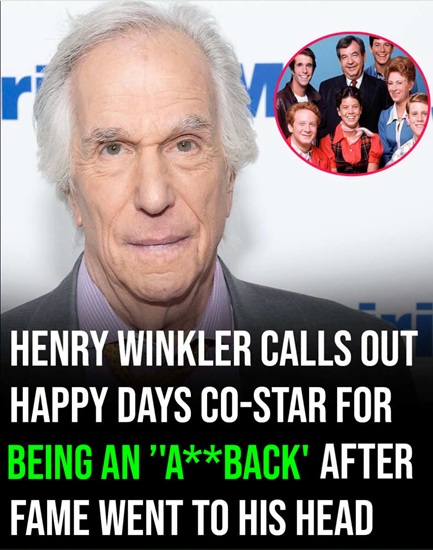
For generations of television viewers, Happy Days remains one of the most memorable sitcoms ever produced. The series captured audiences with its humor, memorable characters, and nostalgic portrayal of American family life during the 1950s and early 1960s. At the heart of the show was Henry Winkler, whose portrayal of Arthur “Fonzie” Fonzarelli transformed him into one of television’s most recognizable personalities. While the program celebrated friendship and optimism on screen, Winkler recently reflected on what it took to maintain a positive atmosphere behind the scenes throughout the show’s remarkable run.
During an appearance at Fanboy Expo Knoxville on July 11, Winkler joined fellow former cast members Anson Williams and Don Most to share stories from their years working together. As the discussion turned toward the show’s extraordinary popularity, Winkler explained that the cast generally avoided allowing fame to influence their relationships. Despite becoming household names, the actors focused on supporting one another and working together to create an entertaining series rather than competing for individual recognition.
At the height of its popularity during the 1970s, Happy Days reportedly attracted around 50 million viewers each week, making it one of the most successful television programs of its time. Such widespread popularity often brings enormous public attention and the possibility of inflated egos, but Winkler said the regular cast made a conscious effort to keep that from happening. According to him, everyone understood that the show’s continued success depended on collaboration, consistency, and mutual respect rather than personal celebrity.
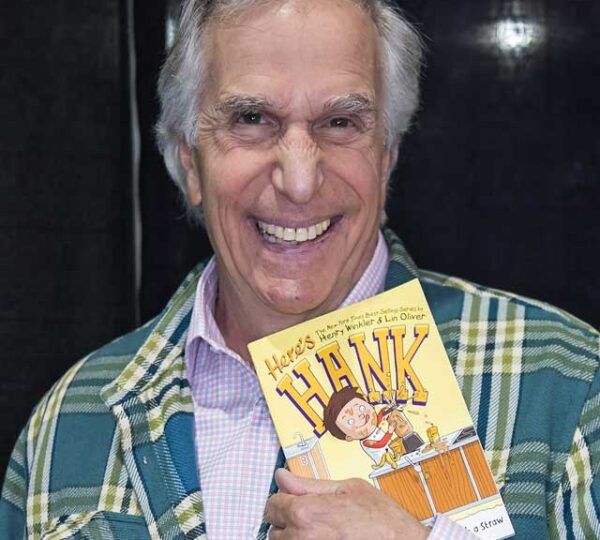
Reflecting on those years, Winkler emphasized that the cast viewed themselves as an ensemble instead of individual stars. Each performer played an important role in bringing the stories to life, and everyone worked toward the same goal of delivering an enjoyable episode every week. He explained that maintaining that team-oriented attitude helped create a positive working environment and strengthened the chemistry audiences saw on screen. In his view, cooperation became one of the defining strengths of the long-running sitcom.
Although Winkler described the overall experience as overwhelmingly positive, he acknowledged that there was one memorable exception involving a recurring guest actor. During the panel discussion, he recalled that the actor frequently talked about the amount of fan mail he was receiving from viewers. Over time, Winkler felt those conversations shifted attention away from the collaborative atmosphere the regular cast had worked hard to establish. Rather than encouraging comparisons between actors, he believed everyone should remain focused on the work itself.
Winkler explained that he eventually addressed the situation directly. He reminded the guest actor that conversations about fan mail were not something the cast encouraged during filming and pointed out that public popularity should never become a competition. According to Winkler, he himself was receiving tens of thousands of letters each week during the show’s peak but intentionally avoided discussing those numbers on set. His goal, he said, was to preserve an environment where every cast member felt equally valued regardless of public attention.
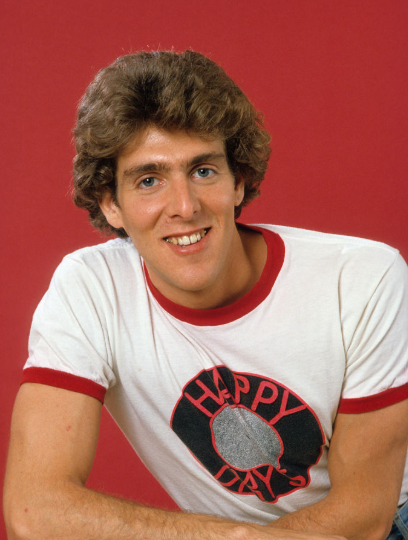
According to Winkler, the reminder did not change the situation, and the guest actor continued bringing up the topic. While he initially chose not to identify the individual by name, he later revealed that the actor had portrayed the character Eugene. Entertainment reports following the event noted that this description matched Denis Mandel, who appeared as Eugene Belvin in ten episodes of Happy Days during its eighth and ninth seasons between 1980 and 1982. At the time those reports were published, Mandel had not publicly commented on Winkler’s remarks.
Despite recalling that uncomfortable experience, Winkler made it clear that it did not represent the overall culture of the series. Throughout the years, he has consistently spoken with appreciation about the people who worked alongside him, frequently describing the production as supportive and respectful. His comments have often highlighted the friendships developed during filming and the professional attitude shared by the majority of the cast and crew over many seasons.
Among the colleagues he has praised most often is Ron Howard, who played Richie Cunningham before later becoming an award-winning filmmaker. Winkler has repeatedly spoken about Howard’s maturity, professionalism, and thoughtful approach to both acting and collaboration. One particular memory has remained especially meaningful to him because it taught him an important lesson about respecting the creative process behind every television production.
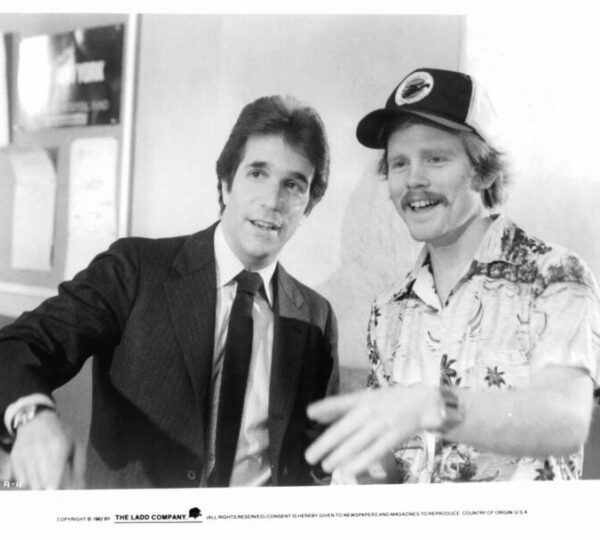
Winkler recalled becoming frustrated while struggling with a scene during filming and responding by hitting his script. Rather than criticizing him in front of others, Howard quietly placed an arm around him and led him away from the rest of the cast. He gently reminded Winkler that the writers had invested significant effort into creating each script and deserved appreciation for their work. The calm and respectful conversation left a lasting impression, and Winkler later said he promised never to take his frustration out on a script again.
Looking back today, Winkler continues to describe Howard as someone who demonstrated exceptional wisdom even at a young age. He has often credited Howard’s thoughtful personality and steady leadership as qualities that contributed not only to his success as an actor but also to his later achievements as a director and producer. For Winkler, that brief conversation became one of the most valuable lessons he learned during his years on Happy Days.
More than five decades after the sitcom first premiered, Henry Winkler remains active in the entertainment industry and has repeatedly expressed gratitude for the opportunity to continue working. In previous interviews, he has said that retirement has never been a priority because acting continues to bring him genuine happiness. He also speaks warmly about spending time with his wife, children, and grandchildren while appreciating every opportunity to continue pursuing the career he dreamed of as a young man.
Today, Happy Days continues to hold a special place in television history, introducing characters that remain familiar to audiences decades after the series ended. Winkler’s reflections provide fans with additional insight into the values that helped shape the production, including humility, teamwork, and respect for everyone involved. While no long-running television series is completely free from occasional disagreements, his memories suggest that cooperation and professionalism ultimately defined the show’s enduring legacy, helping it remain one of the most beloved sitcoms of its generation.

