
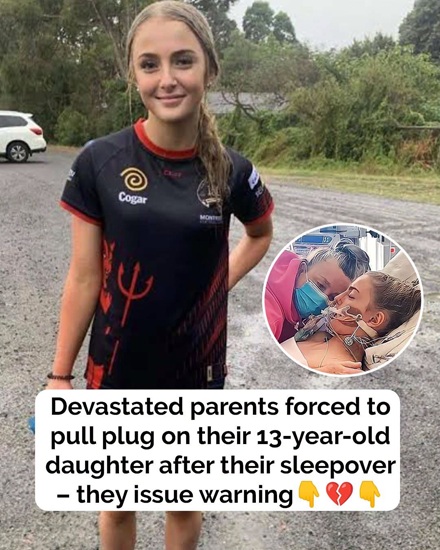
The family of Australian teenager Esra Haynes has chosen to speak publicly about the devastating loss of their daughter in the hope that their experience may help prevent similar tragedies. Rather than remaining silent, they have dedicated themselves to raising awareness about chroming, a dangerous practice that involves inhaling fumes from common household products to experience a brief high. Their message encourages parents and young people to learn about the risks, have open conversations, and understand that products found in many homes can become extremely dangerous when misused.
Esra, a 13-year-old from Victoria, Australia, was remembered by those who knew her as an energetic, kind, and determined young person. She loved spending time with family and friends and was deeply involved in sport. She served as a co-captain of her local football and netball club, enjoyed racing BMX bikes with her brothers, and celebrated success after helping her aerobics team win a national championship in Queensland. Her family described her as cheerful, confident, and always willing to encourage others, making her loss especially painful for everyone who knew her.
On March 31, Esra attended a sleepover with several friends, something her parents considered a normal part of teenage life. According to her mother and father, they knew where she was and who she was spending time with, and there were no warning signs that anything unusual would happen that evening. Later that night, however, they received an emergency phone call asking them to come immediately because their daughter had become critically ill. Looking back, they have described that moment as the beginning of the most heartbreaking experience their family has ever faced.

According to information shared by the family, Esra inhaled fumes from an aerosol deodorant can while taking part in chroming. Those present initially believed she might have been experiencing a panic attack, but her condition rapidly became much more serious. The chemicals affected her body almost immediately, causing cardiac arrest. Emergency medical personnel responded quickly and worked to revive her before she was transported to hospital, where doctors continued intensive treatment in an effort to stabilize her condition.
Esra’s mother, Andrea Haynes, later explained that she had never heard the term “chroming” before paramedics mentioned it that night. Like many parents, she was unaware that inhaling fumes from everyday household products could have such severe and potentially fatal consequences. Even after Esra arrived at the hospital, the family remained hopeful that she might recover. Although medical teams worked tirelessly to care for her, further examinations eventually revealed that she had suffered catastrophic brain damage caused by the lack of oxygen during cardiac arrest.
After eight days on life support, doctors informed the family that Esra’s injuries were irreversible and that there was no realistic possibility of recovery. Faced with an unimaginable decision, Andrea and Paul agreed to withdraw life support after spending precious final moments with their daughter. They later shared that family members and close friends gathered at the hospital to say goodbye, holding Esra close during her final moments. Speaking about those memories remains incredibly emotional, but they believe sharing their experience may help other families recognize the dangers before it is too late.
The family’s story received widespread attention after they appeared on A Current Affair with Australian presenter Ally Langdon. During the interview, Langdon became visibly emotional as Esra’s parents described the events leading to their daughter’s death and the painful decision they later faced. The conversation resonated with many viewers because it highlighted the devastating impact that a single incident can have on an entire family while emphasizing the importance of education and awareness.
Following Esra’s passing, her parents explained that the tragedy affected far more than their immediate family. Her brothers, friends, classmates, teammates, teachers, and the wider community all struggled with the loss of a young girl who had been actively involved in school and sport. They described the months that followed as incredibly difficult, saying grief affected nearly every part of daily life. While nothing could replace Esra, the support of relatives, friends, and the local community helped them gradually begin navigating life after such a devastating loss.
Since then, Andrea and Paul have committed themselves to raising awareness about chroming so that other parents have access to information they wish they had known earlier. They have encouraged families to discuss the dangers of inhaling chemical products openly with children and teenagers instead of assuming they already understand the risks. According to the couple, honest conversations at home can play an important role in helping young people make informed decisions when faced with peer pressure or risky social media trends.
Health organizations have consistently warned that inhaling toxic fumes from products such as aerosol sprays, paint, solvents, fuels, or similar chemicals can have serious medical consequences. Depending on the substance involved, inhalant misuse may lead to seizures, loss of consciousness, breathing difficulties, irregular heart rhythms, cardiac arrest, coma, organ damage, or sudden death. Medical experts advise seeking immediate emergency assistance if someone becomes unresponsive or develops breathing problems after inhaling chemical fumes.
Today, Esra’s family continues to honor her memory by focusing on education, awareness, and prevention. Their hope is that sharing their daughter’s story will encourage parents, schools, and communities to have thoughtful conversations about the risks associated with inhaling household chemicals. While they know nothing can change what happened to Esra, they believe greater public awareness may help protect other young people in the future. Their message serves as a reminder that open communication, reliable information, and early education can make a meaningful difference in helping families understand potentially life-threatening risks before tragedy occurs.

