
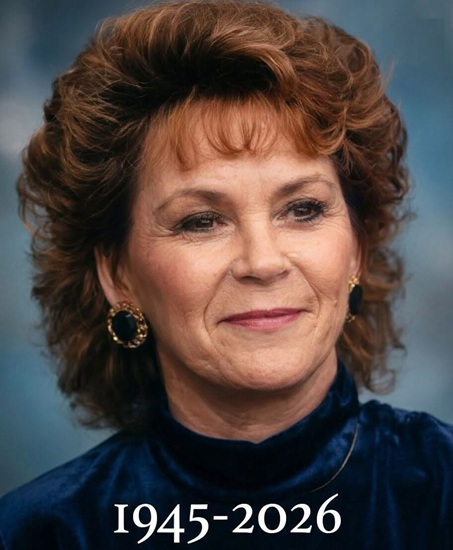
For millions of television viewers during the 1950s and early 1960s, Father Knows Best represented an idealized portrait of American family life. The popular sitcom became one of the defining television programs of its era, introducing audiences to the Anderson family and their everyday experiences with warmth, humor, and optimism. Among its most recognizable stars was Lauren Chapin, who portrayed the youngest Anderson child, Kathy—affectionately known as “Kitten.”
Her energetic personality, natural charm, and memorable performances made her one of the most beloved child actors of her generation. Although viewers associated Lauren Chapin with the cheerful world presented on television, life away from the cameras proved to be far more complicated. Like many young performers who entered the entertainment industry at an early age, she experienced challenges that were largely invisible to audiences. Years later, Chapin openly discussed many of these personal struggles in interviews and in her autobiography, providing readers with a much deeper understanding of the realities that sometimes accompany childhood fame.
Lauren Ann Chapin was born on May 23, 1945, in Los Angeles, California. Growing up in Southern California placed her close to the rapidly expanding television and film industry, where opportunities for young performers were becoming increasingly common after World War II. From an early age, she demonstrated an interest in acting, eventually earning opportunities to appear in television productions during a period when family-centered programming was becoming especially popular with American audiences.
Her breakthrough arrived when she was selected to portray Kathy Anderson in Father Knows Best. The series originally began as a radio program before successfully transitioning to television, where it gained a loyal audience over several seasons. Alongside Robert Young, Jane Wyatt, Elinor Donahue, and Billy Gray, Chapin became part of one of the most recognizable television families of the decade. Week after week, viewers watched the Anderson family navigate school, friendships, growing up, and everyday household situations through stories that emphasized understanding, responsibility, and family relationships.
Kathy Anderson quickly became a fan favorite because of her youthful curiosity, expressive personality, and humorous observations. Chapin’s natural delivery helped make the character feel authentic and relatable, even though the stories were carefully scripted. Her performance earned widespread praise from critics and audiences alike, and she received industry recognition during the show’s successful run. At an age when most children were focused primarily on school and neighborhood friendships, Chapin was balancing education with the demanding schedule of a nationally broadcast television series.
Working as a child actor required far more than simply memorizing dialogue. Television production involved long rehearsal periods, repeated takes, costume fittings, promotional appearances, and studio schedules that demanded discipline and concentration. While productions involving child performers were carefully organized, the experience remained very different from a typical childhood. Young actors often divided their time between classroom instruction provided on set and the responsibilities associated with professional television production.
Despite the warmth portrayed on screen, Chapin later described experiencing significant personal difficulties during her early years. In public interviews and written accounts, she spoke about challenges within her family life and the emotional impact those experiences had on her development. Her willingness to discuss these experiences years later contributed to broader conversations about the importance of protecting the well-being of children working in the entertainment industry.
As Father Knows Best continued its successful run, Chapin became closely identified with the character of Kathy Anderson. While this popularity brought admiration from viewers, it also created expectations that were not always easy to manage. Many child performers from the early era of television later explained that audiences sometimes found it difficult to separate the fictional characters they portrayed from their real personalities. This close association could make the transition into adulthood particularly challenging after a successful series ended.
The conclusion of Father Knows Best marked an important turning point in Chapin’s life. Like many young actors whose careers began with a single defining role, she faced the challenge of building a new identity beyond the character that millions of viewers already knew. Leaving behind a successful television series often required significant personal adjustment, particularly for performers who had spent much of their childhood working within the structured environment of a television production.
In the years that followed, Chapin experienced periods of personal difficulty that she later discussed openly. She acknowledged struggling with substance abuse and other challenges during parts of her adult life. Rather than attempting to hide these experiences, she eventually chose to speak candidly about them, hoping that her story might encourage others facing similar difficulties to seek help and recognize that recovery is possible. Her openness became one of the defining characteristics of her later public life.
As awareness of mental health, addiction, and childhood trauma has increased over recent decades, many former child actors have shared stories illustrating the pressures associated with growing up in the public eye. Chapin’s experiences became part of this larger conversation, helping audiences better understand that success during childhood does not necessarily protect individuals from later personal struggles. Her willingness to discuss difficult chapters of her life reflected a broader cultural shift toward more open conversations about emotional well-being and recovery.
Although many people continue to remember Lauren Chapin primarily for her role as Kathy Anderson, her life story extends far beyond her years on television. It is also the story of someone who faced significant personal obstacles, reflected honestly on those experiences, and gradually rebuilt her life through determination and resilience. Rather than allowing difficult experiences to define her permanently, she eventually chose to use them as opportunities for personal growth and public encouragement.
After facing a number of personal challenges during her early adult years, Lauren Chapin gradually began rebuilding her life with a renewed sense of purpose. Rather than allowing difficult experiences to define her future, she chose to focus on recovery, personal growth, and helping others who were facing similar struggles. This new direction marked an important chapter in her life and demonstrated that meaningful change is possible even after periods of hardship.
One of the ways Chapin shared her experiences was through writing. Her autobiography, Father Does Know Best: The Lauren Chapin Story, offered readers a candid account of both her successful television career and the personal difficulties she encountered away from the cameras. By discussing her experiences openly, she provided insight into the realities that can exist behind the public image of a well-known performer. The book also encouraged broader conversations about childhood fame, resilience, and the importance of seeking support during difficult times.
In addition to writing, Chapin became active as a public speaker. She appeared at community events, churches, organizations, and conferences where she discussed themes such as perseverance, recovery, personal responsibility, and hope. Her presentations often focused less on celebrity and more on the lessons she had learned throughout her life. Audiences appreciated her willingness to speak honestly about setbacks while emphasizing that personal growth is often a gradual process rather than an overnight transformation.
Faith also became an important part of Chapin’s later life. In interviews, she has spoken about how her spiritual beliefs provided encouragement during periods of personal rebuilding. While individual beliefs naturally differ from person to person, Chapin frequently described faith as one of the sources of strength that helped her move forward. Her public appearances often reflected this personal perspective while encouraging audiences to seek positive sources of support in their own lives.
As interest in classic television continued to grow, Chapin occasionally participated in reunions, interviews, and events celebrating the history of Father Knows Best. These appearances allowed longtime viewers to reconnect with one of television’s most memorable child performers while giving newer generations an opportunity to learn about the program’s place in television history. Fans often expressed appreciation not only for her work on screen but also for the honesty she displayed when discussing her life beyond acting.
The enduring popularity of Father Knows Best also reflects the broader influence of early American television. The series remains an important example of family-oriented programming from the 1950s, illustrating the storytelling style, production techniques, and cultural themes of its era. Although society has changed considerably since the program first aired, historians continue to study the series as part of television’s development and its influence on later family sitcoms.
Lauren Chapin’s career also highlights the changing conversation surrounding child performers. Over the decades, awareness has increased regarding the unique responsibilities involved in supporting young actors both professionally and personally. Today’s entertainment industry places greater emphasis on education, working conditions, financial protections, and emotional well-being for minors than was common during television’s earliest decades. While improvements continue to evolve, the experiences of earlier generations have helped shape many of these discussions.
Many former child actors have shared stories illustrating both the opportunities and challenges that accompanied early success. Some transitioned smoothly into adult careers, while others encountered significant obstacles after the conclusion of popular television programs. Chapin’s experiences contribute to this broader history by demonstrating that every individual’s journey is unique. Her willingness to discuss both success and struggle has provided valuable perspective for audiences interested in the realities of life behind the entertainment industry.
Throughout the years, Chapin has often been remembered with affection by viewers who grew up watching Father Knows Best. For many people, Kathy Anderson represented curiosity, humor, and youthful optimism. At the same time, learning more about the actress behind the character has allowed audiences to appreciate her resilience as an individual rather than remembering her solely for a childhood television role. This broader understanding reflects how public figures can continue influencing others long after their most famous performances have ended.
Her story also serves as a reminder that personal growth is rarely a straight path. Challenges, setbacks, and periods of uncertainty are experiences that many people encounter in different forms throughout life. Chapin’s decision to speak openly about difficult chapters of her past has encouraged conversations about recovery, emotional health, and the importance of asking for help when needed. These themes extend far beyond the entertainment industry and remain relevant to people from many different backgrounds.
Another aspect of Chapin’s legacy is her willingness to transform personal experiences into opportunities for education and encouragement. Rather than focusing exclusively on her years as a television actress, she devoted significant time to discussing resilience, responsibility, and hope. Her public work demonstrated that a person’s later contributions can become just as meaningful as the achievements that first brought public recognition.
The continuing popularity of classic television has introduced Father Knows Best to new audiences through reruns, streaming services, and television archives. As viewers discover the series today, many also become interested in learning about the actors who helped create it. Chapin’s life illustrates how the story behind a beloved television program can be far more complex than the fictional world presented on screen, offering valuable historical insight into both early television production and the experiences of child performers.
Ultimately, Lauren Chapin’s legacy extends well beyond her memorable portrayal of Kathy Anderson. She is remembered not only as one of the recognizable child stars of classic American television but also as an author, public speaker, and advocate who openly shared the lessons she learned through both success and adversity.
Her journey reflects the possibility of rebuilding after difficult experiences while demonstrating the lasting value of honesty, perseverance, compassion, and personal growth. Decades after Father Knows Best first aired, her story continues to remind audiences that while fame may introduce a person to the public, character is ultimately defined by the choices made throughout life and the willingness to inspire others through resilience and hope.

