

For many years, potatoes have carried a mixed reputation in the world of nutrition and healthy eating. Some people see them as a comforting and satisfying food, while others associate them with weight gain, unhealthy meals, or unsuccessful diets. As low-carbohydrate eating plans and trendy superfoods have become increasingly popular, the humble potato has often been unfairly overlooked. However, nutrition experts say that potatoes may be far more nutritious than many people realize.
Rather than being a food to avoid, potatoes contain a wide range of vitamins, minerals, antioxidants, and beneficial plant compounds that can support overall wellness when prepared in healthy ways. Their nutritional value often surprises people who have only heard negative claims about them. Potatoes have been an important source of nourishment for thousands of years.
Originally grown in South America, they gradually spread across the globe and became one of the world’s most widely consumed crops. Today, potatoes remain a staple food for billions of people, and ongoing research continues to highlight their potential health benefits.
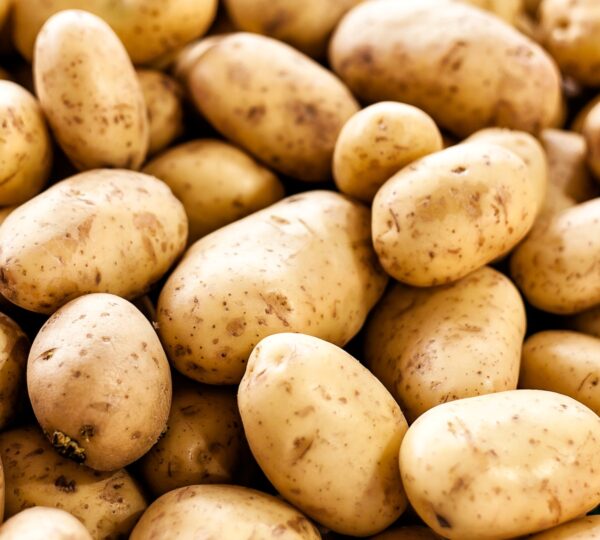
One of the most common misconceptions is that potatoes offer little beyond carbohydrates.
In reality, they provide an impressive collection of nutrients. Potatoes contain vitamin C, vitamin B6, potassium, manganese, and several other essential nutrients that help support normal body functions. A medium-sized potato can contribute meaningfully to daily nutritional needs while remaining relatively moderate in calories.
One particularly surprising fact is their potassium content.
Many people immediately think of bananas when they hear the word potassium, yet potatoes often contain equal or even greater amounts of this important mineral. Potassium plays a key role in supporting healthy blood pressure, proper muscle function, nerve communication, and fluid balance throughout the body. Because of these benefits, potassium-rich foods are frequently recommended as part of a balanced diet.
The advantages of potatoes extend beyond vitamins and minerals.
They also contain antioxidants, which are natural compounds that help protect cells from damage caused by unstable molecules known as free radicals. Excessive free-radical activity has been linked to aging and various chronic health concerns. The antioxidants found in potatoes, including flavonoids, carotenoids, and phenolic compounds, may help support long-term health and cellular protection.
Colorful potato varieties can be especially impressive.
Purple, red, and other richly colored potatoes often contain even higher levels of beneficial antioxidant compounds. Their vibrant colors are a visible sign of the plant nutrients they contain, making them a nutritious addition to a varied eating plan.

Another often-overlooked benefit of potatoes relates to digestive health.
Potatoes contain resistant starch, a unique type of carbohydrate that behaves differently from regular starch. Instead of being fully digested in the small intestine, resistant starch travels to the large intestine, where it serves as a food source for beneficial gut bacteria.
These beneficial bacteria produce compounds that help support digestive function and contribute to a healthier gut environment.
Scientists continue to explore the connection between gut health and overall wellness. Research suggests that maintaining a healthy balance of gut bacteria may influence digestion, immune function, metabolism, and various other aspects of health. By providing resistant starch, potatoes may contribute positively to this important system.
Many people trying to manage their weight may be surprised to learn that potatoes can also help increase feelings of fullness.
Studies examining satiety, or the feeling of satisfaction after eating, have found that potatoes rank among the most filling foods. Their combination of water, fiber, and starch may help reduce hunger and decrease the desire for additional snacks between meals. Feeling satisfied after eating can be an important factor in maintaining healthy eating habits over time.
Of course, the way potatoes are prepared makes a significant difference.
A baked, boiled, steamed, or roasted potato is very different from heavily processed or deep-fried potato products. Many negative perceptions surrounding potatoes stem from preparation methods that involve large amounts of added fats, oils, salt, or calorie-dense toppings.
Nutrition professionals often emphasize that cooking methods play a major role in determining the overall nutritional value of any food.
When potatoes are prepared using simple and balanced techniques, they can be a nutritious part of a healthy eating pattern.
Blood sugar is another topic frequently discussed when it comes to potatoes.
While potatoes do contain carbohydrates that can affect blood glucose levels, several factors influence their impact. The variety of potato, preparation method, portion size, and accompanying foods all play important roles. Combining potatoes with lean proteins, healthy fats, and fiber-rich vegetables can help create a more balanced meal.
Athletes and physically active individuals have long appreciated another benefit of potatoes: energy.
Because potatoes provide accessible carbohydrates, they serve as an effective source of fuel for exercise and physical performance. Carbohydrates remain the body’s preferred energy source during many forms of activity, making potatoes a practical option for people with active lifestyles.
Some studies have even suggested that potatoes may perform similarly to certain commercial sports nutrition products in supporting endurance activities.
Their affordability and accessibility make them a convenient choice for many individuals seeking natural sources of energy.
There is also increasing interest in the role potatoes may play in sustainable food systems.
Potatoes can produce substantial amounts of food on relatively small areas of land and are widely available across many regions of the world. As global populations continue to grow, foods that combine nutritional value, affordability, and agricultural efficiency may become increasingly important. Potatoes fit many of these criteria.
Perhaps the most valuable lesson is that foods are rarely as simple as popular opinions suggest.
For years, potatoes were often portrayed as a dietary problem. Modern nutrition research, however, presents a more balanced perspective. When prepared thoughtfully and consumed as part of an overall healthy diet, potatoes can provide valuable nutrients, support digestive health, promote fullness, deliver antioxidants, and contribute important minerals that many people need.
The next time you see a potato on your plate, it may be worth viewing it from a different perspective.
Behind its simple appearance is a surprisingly nutrient-rich food that has supported human populations for generations. According to nutrition experts, potatoes can be a valuable component of a balanced diet and deserve recognition as one of the world’s most practical and nutritious staple foods.

